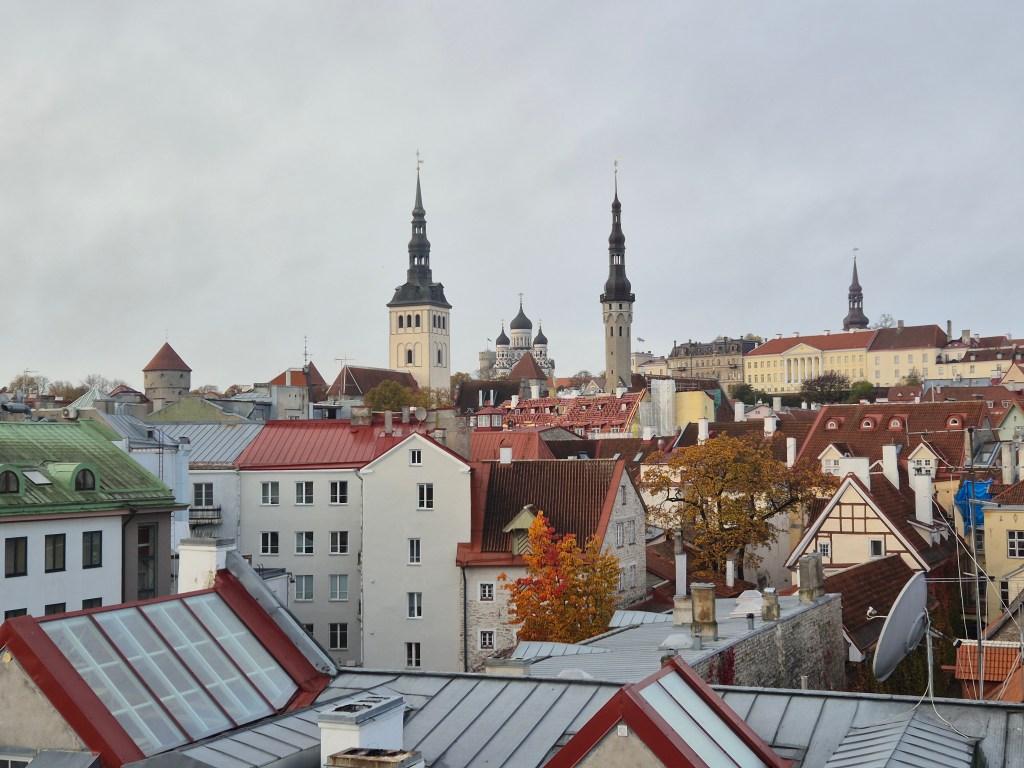
After a smooth ferry trip across the Baltic Sea we found our accommodation and parked our car. As we were early for check in we donned our puffer jackets for the first time this year and headed out for a walk.
I had seen there was a 5D “Tour of Finland & Helsinki” attraction nearby, so thought that would be a good introduction to Finland before we get started with our sightseeing!
Probably not the wisest decision for someone who gets motion sickness and had just got off a two hour ferry ride. As it turns out it wasn’t a brilliant decision for someone who doesn’t usually get motion sickness either!! Stunning scenery though.
We then went for a walk along the shore through Market Square where we had a reindeer hot dog for lunch. (🤞that we’re not compounding the motion sickness with dodgy food!🤞)
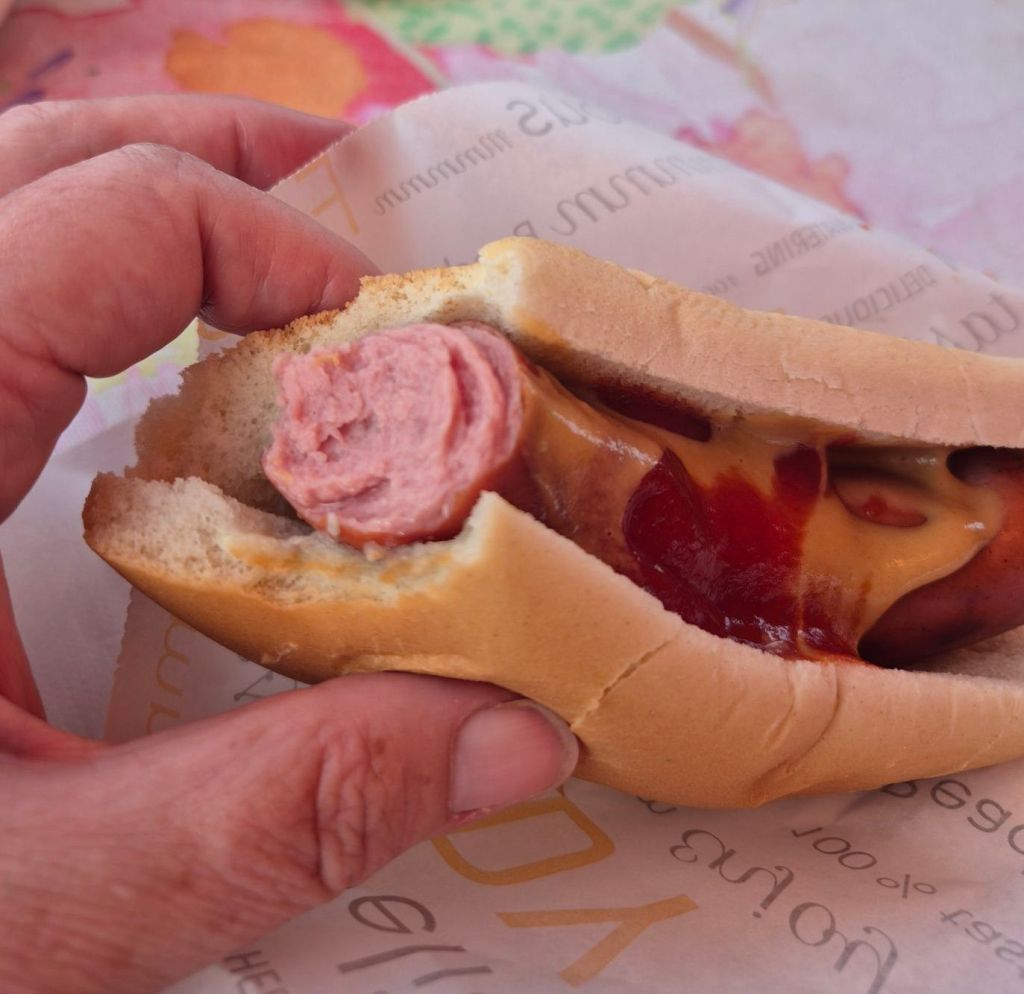
Nope, they tasted like a normal hotdog.
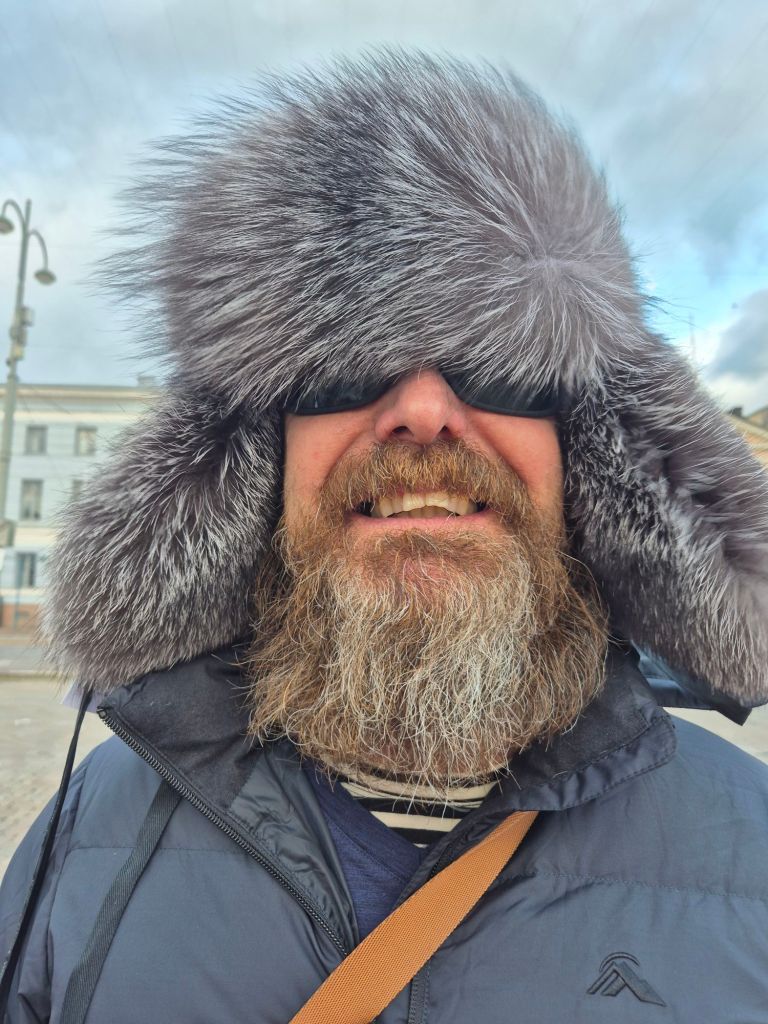
We wandered through the market, Kevin tried on a hat.
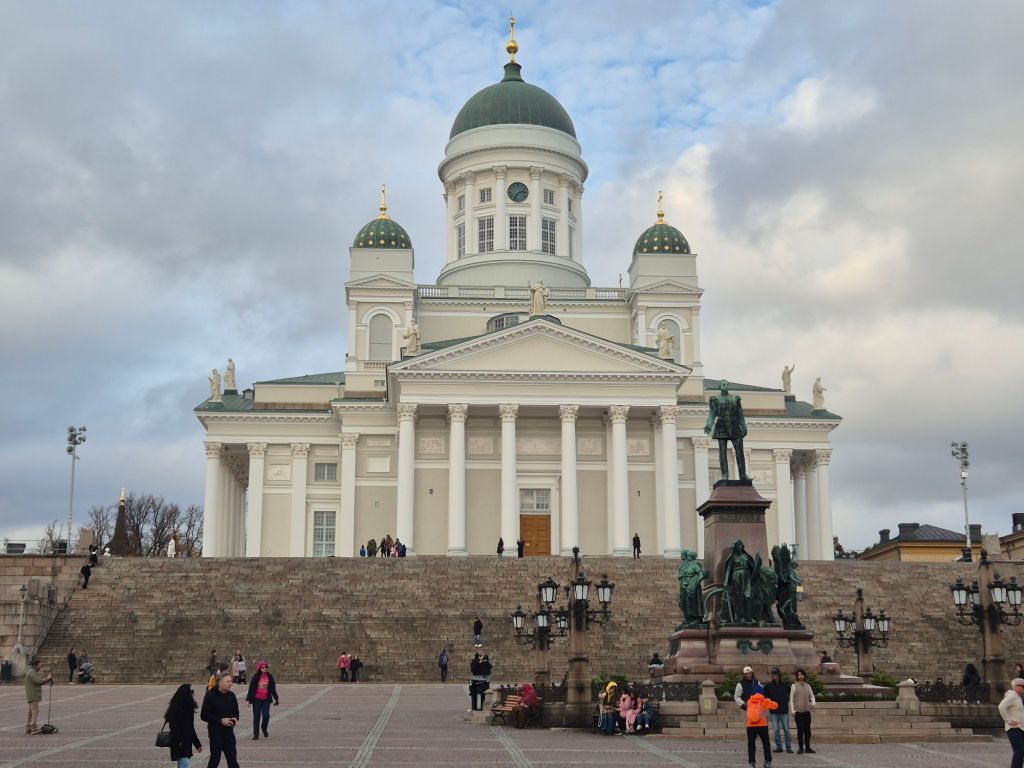
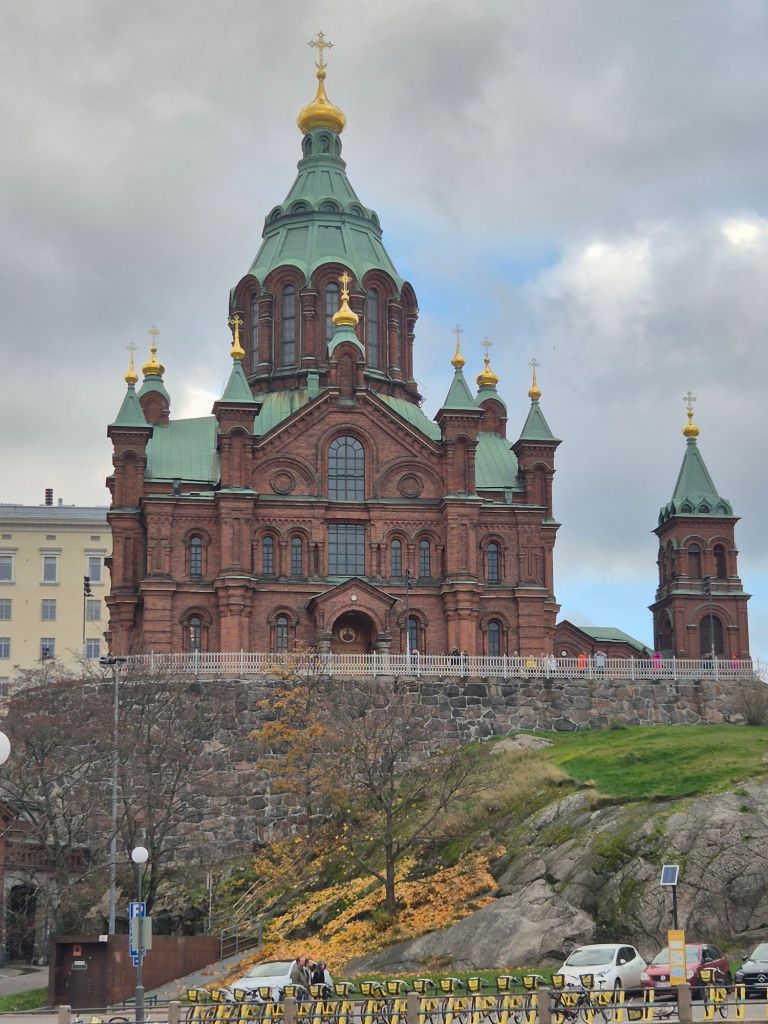
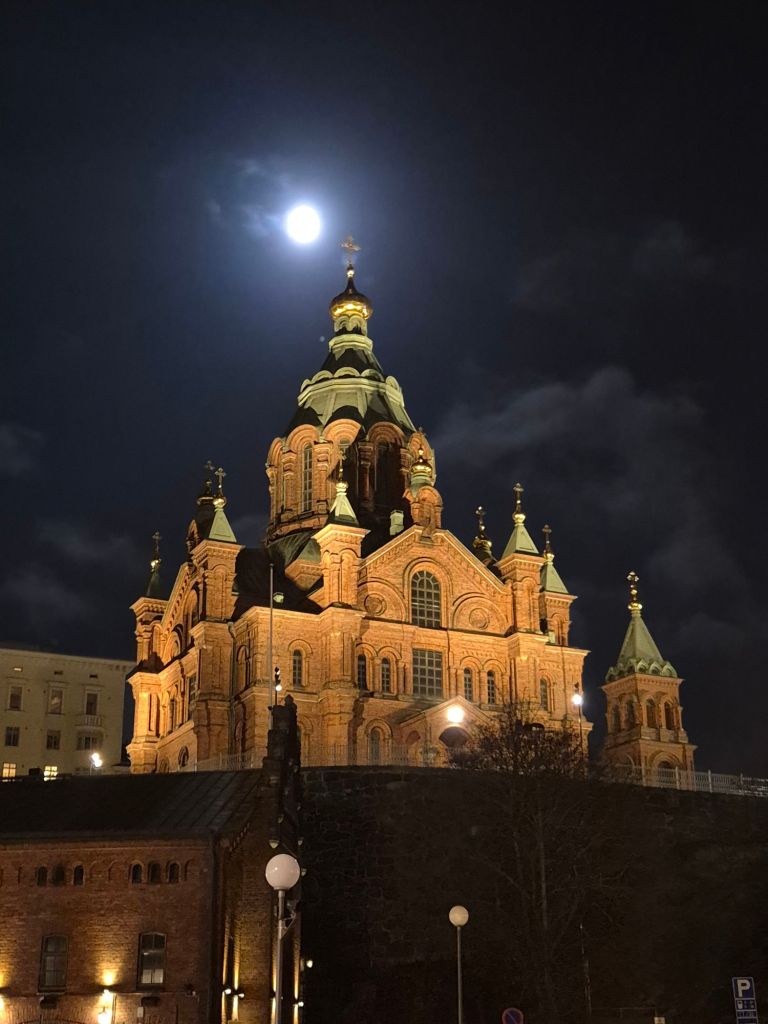
Then we walked to Senate Square, past the Presidential Palace and Uspenski Cathedral back to our accommodation.
Today we had nothing planned until 2pm.
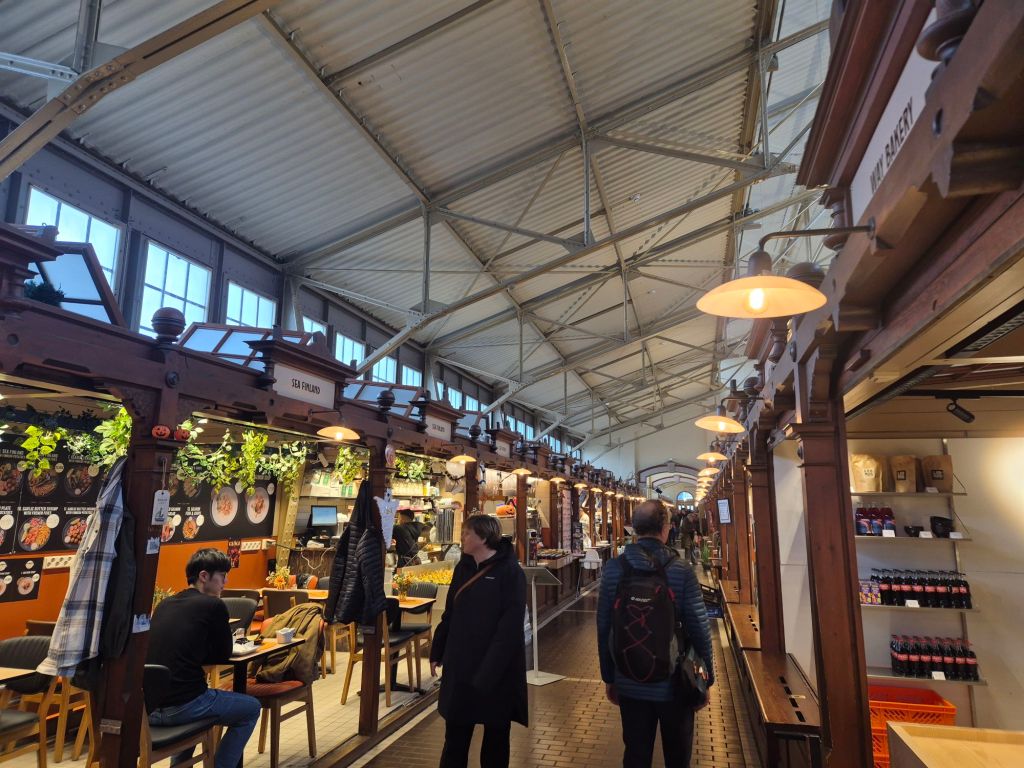
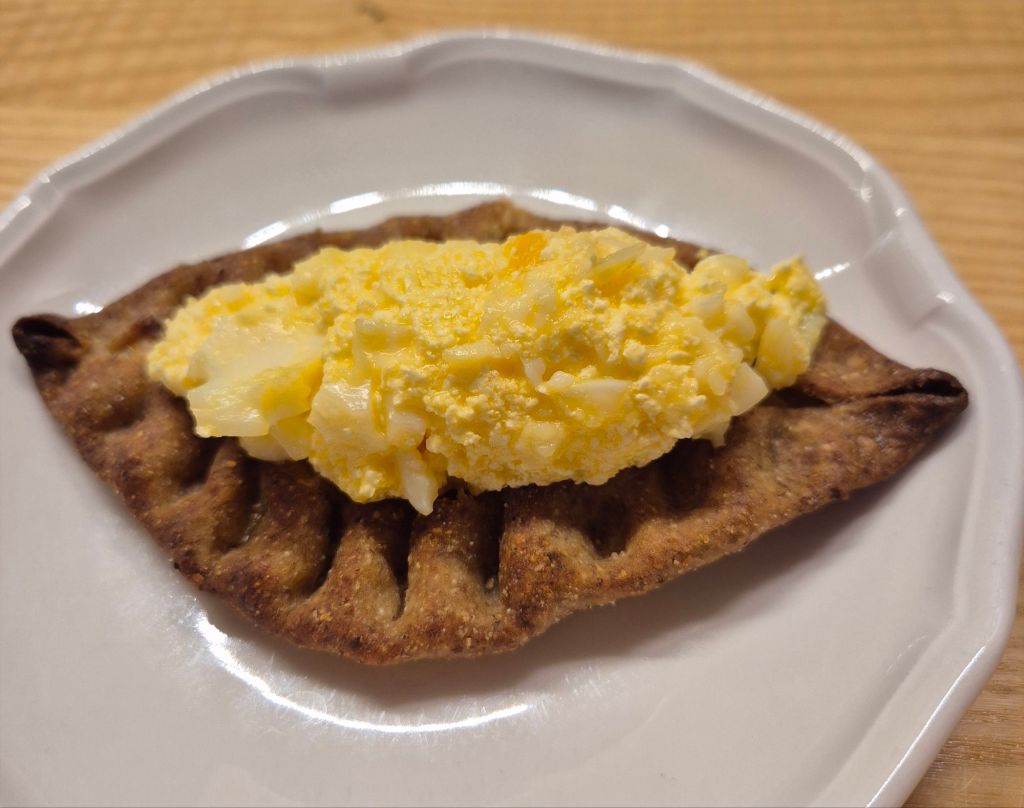
Until then we ambled around the city centre. We scoped out transport for our planned day tomorrow and then went to the Central Market. Here we tried Kavelian toast with egg butter, it was tasty. There were many food vendors, with options such as bear, moose and reindeer on many menus. Bear looks expensive.
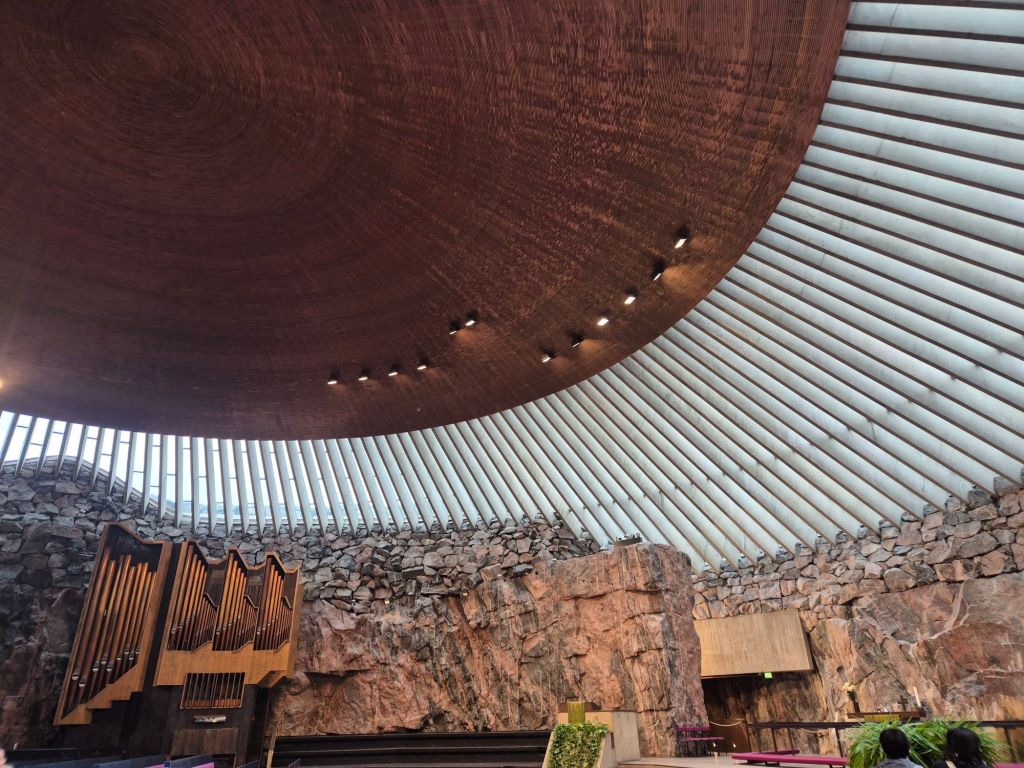
We then headed to Temppeliaukio Church or the Rock Church. This church was built into the rocks that were on site and has a circular dome on top, very cool.
We walked to the Central station and had a bite to eat, then waited to meet our tour guide.
Our tour is of Helisnki’s underground war bunkers. Wow, what an interesting and eye-opening experience!
There are bunkers under every residential building that has built since the 1950s. There are also multiple large dual use bunkers for housing thousands of people. All up bunkers in Helsinki can house up to 1,000,000 people (700,000 residents and 300,000 people passing through).
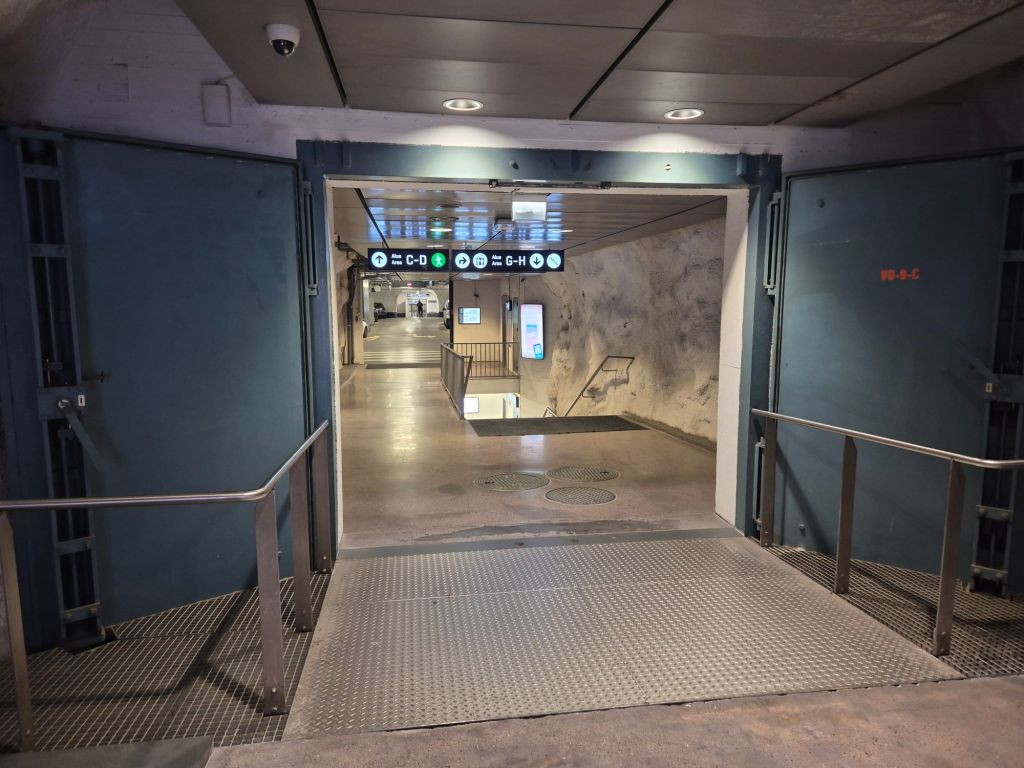
Most of the large ones that can house up to 10,000 people are dual-use, which means they are used for business (e.g. carparks) or activity spaces (e.g. childrens play centres, sports courts, gyms, even one has beach volleyball and a surfing machine!)
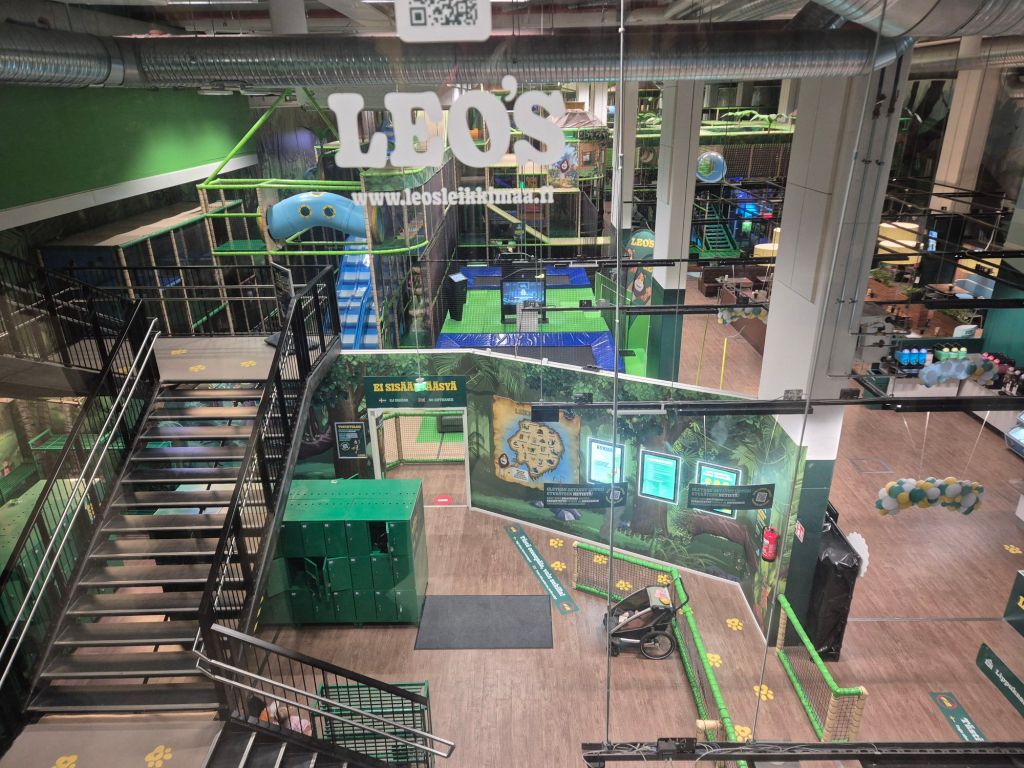
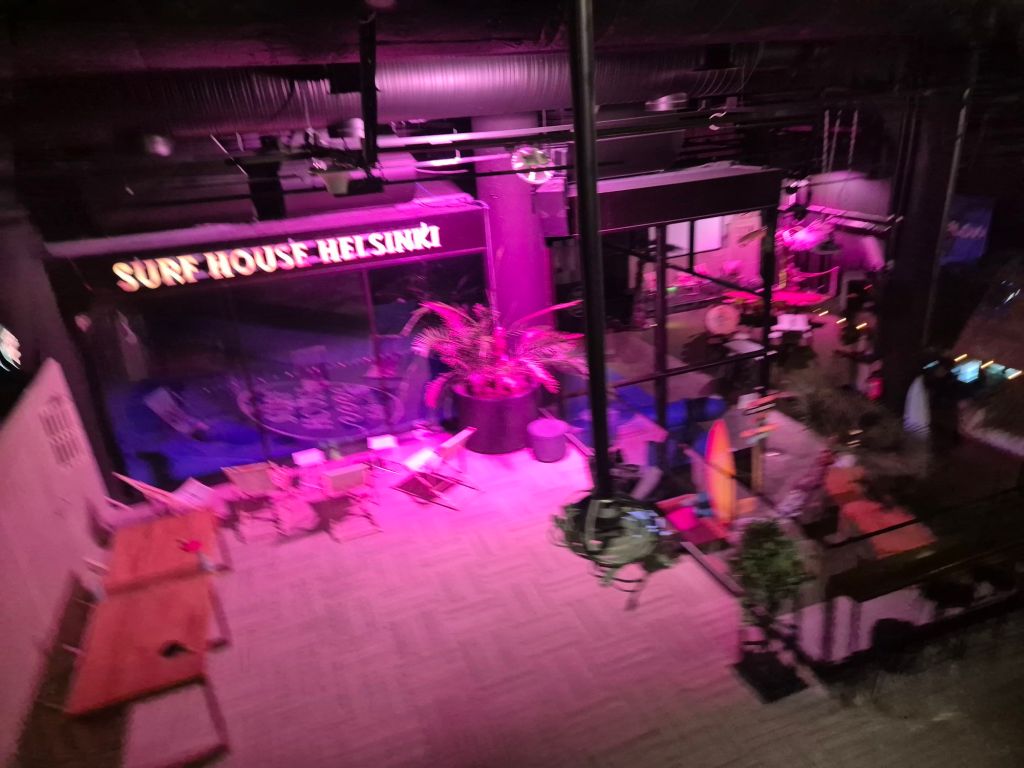
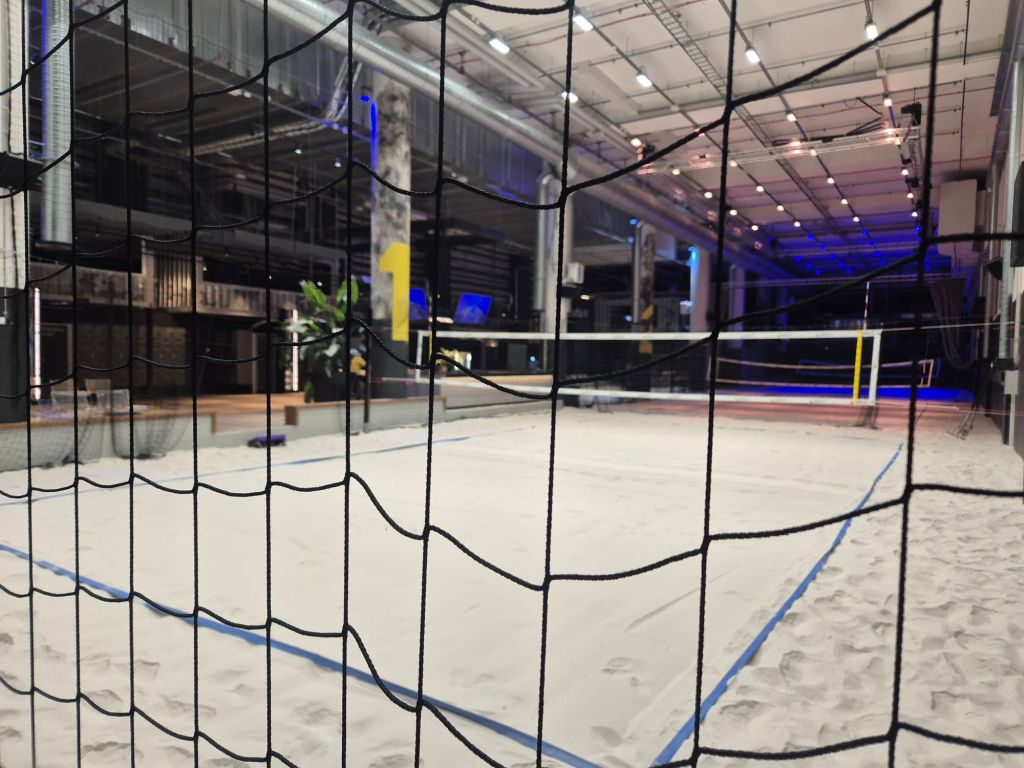
The catch is that any business renting the space MUST be able to dismantle and remove everything in 72 hours so they can be converted to bunkers. These bunkers are equipped with blast doors, negative pressure seals, air filtration, toilets, bunks etc within 72 hours if required.
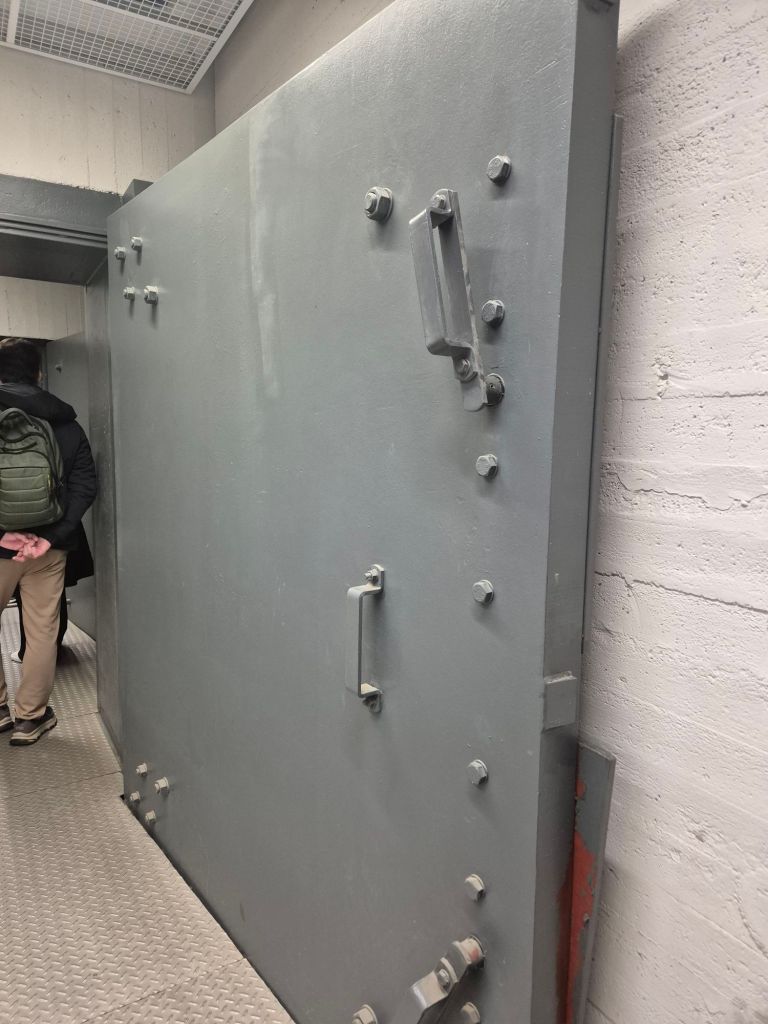
The plan would be for occupants to take shifts whilst in the bunkers 8hrs sleep, 8hrs rest, 8hrs work. They have dedicated diesel supplies, electricity grids and water supplies.
The hospitals in Helsinki have bunkers underneath and are connected for easy evacuation.
Every resident has to have a “72 hour kit” ready with the food, water and things they would need to last 72 hours in a shelter, though they may need to remain in place for up to 2 weeks if a nuclear weapon was used.
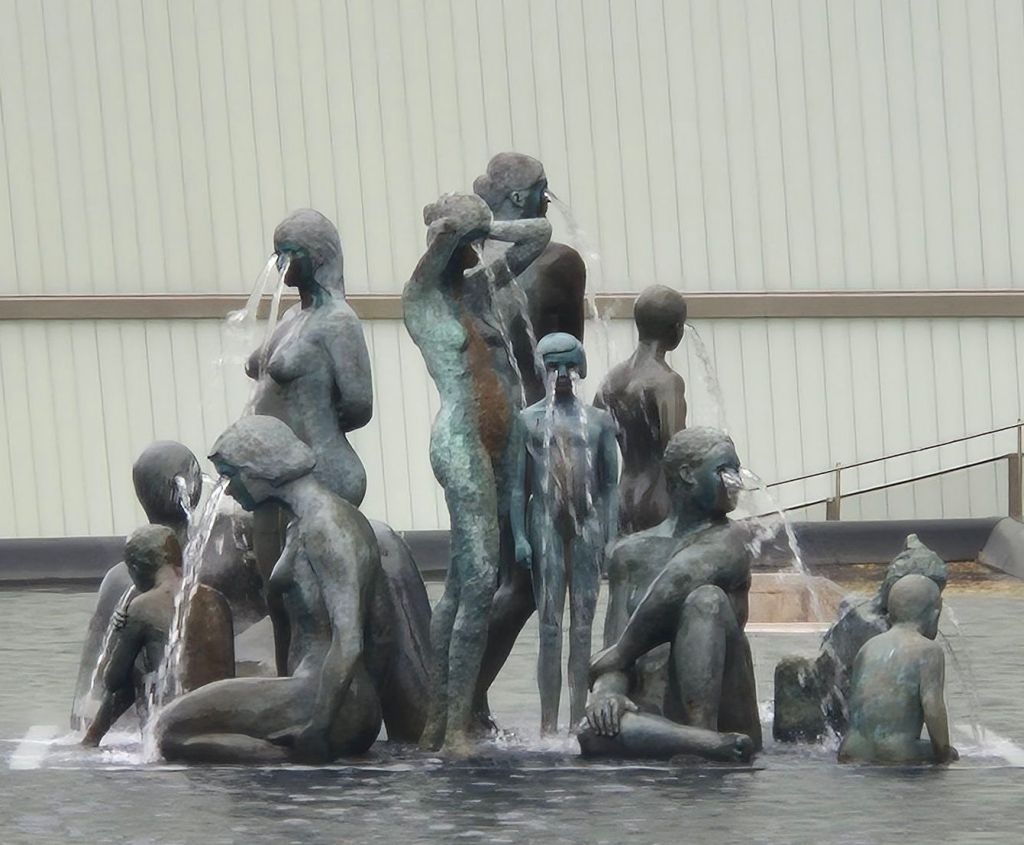
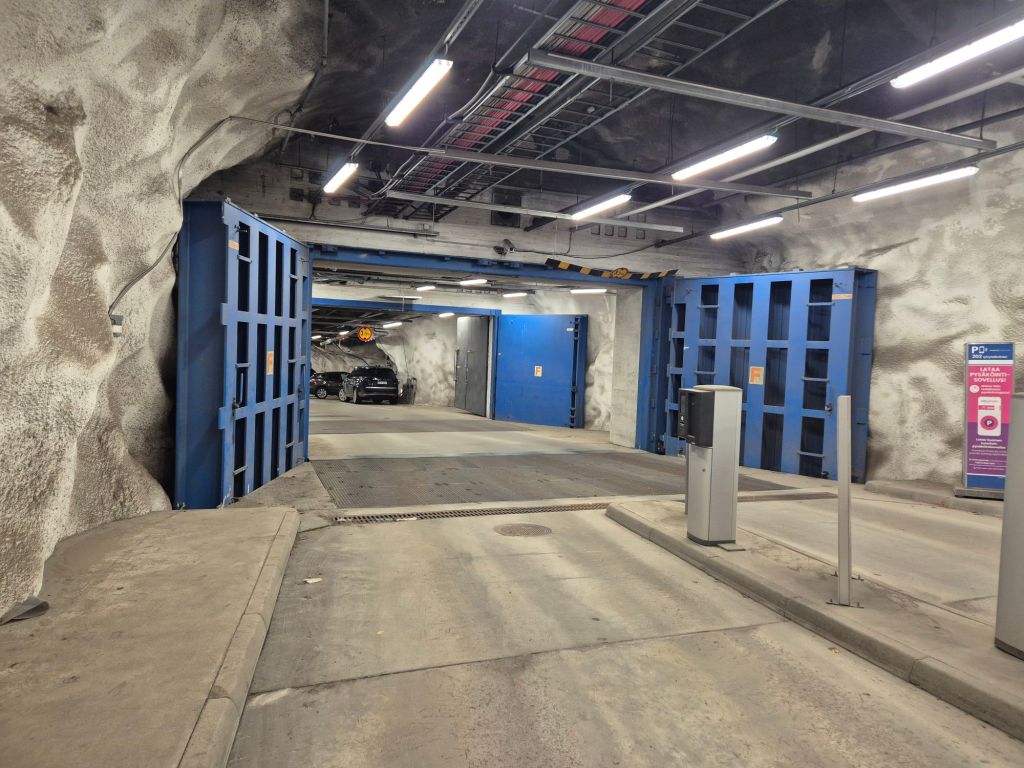
Finland, being close to Russia, has an incredibly active civil defence plan, defences along their eastern border and a strong reservist army. (They recently raised the eligible age of reservists from 50 to 65 to increase their reserve forces to 1 million by 2031). Water and electricity supplies are decentralised and most are underground to improve resilience.
Outside of the bunkers and border strengthening, roads have rock tunnels over them that could be blown to stop advancing convoys; roads are designed so fighter jets can land on them and every bridge is built with detonation points so they can be blown up if needed.
In the event of an imminent attack, every phone on the networks would receive a message advising them to go to the nearest shelter. Even oblivious tourists like us!
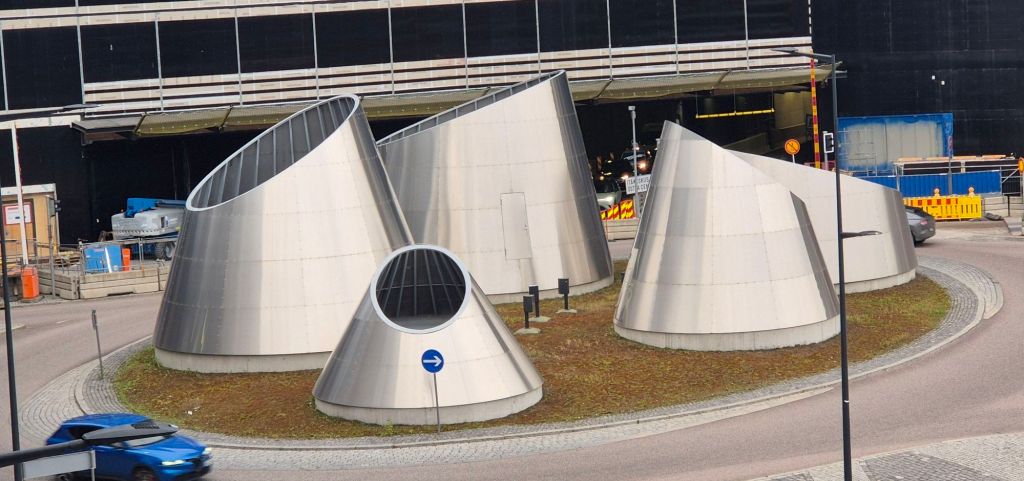
As previously said, although the reality of the threats here are a bit scary, the tour was fascinating.
We walked home as it was getting dark (about 5pm!) past the five ice-breaker ships in the harbour.
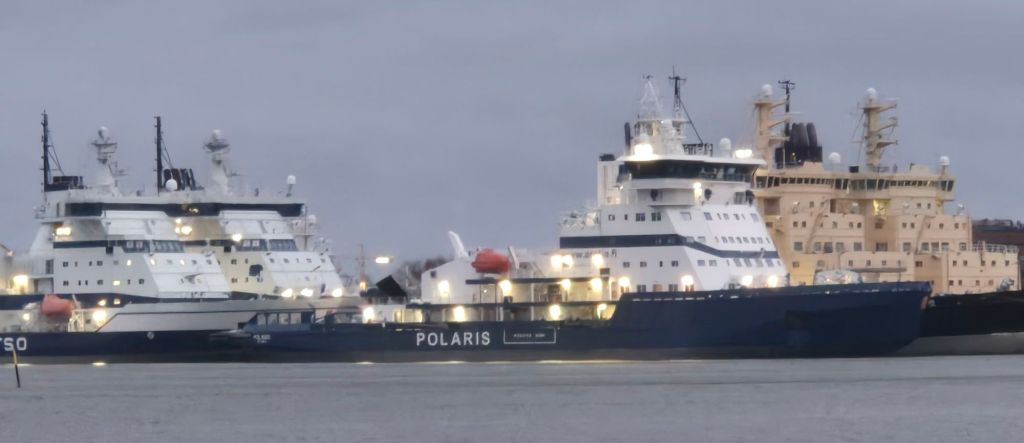
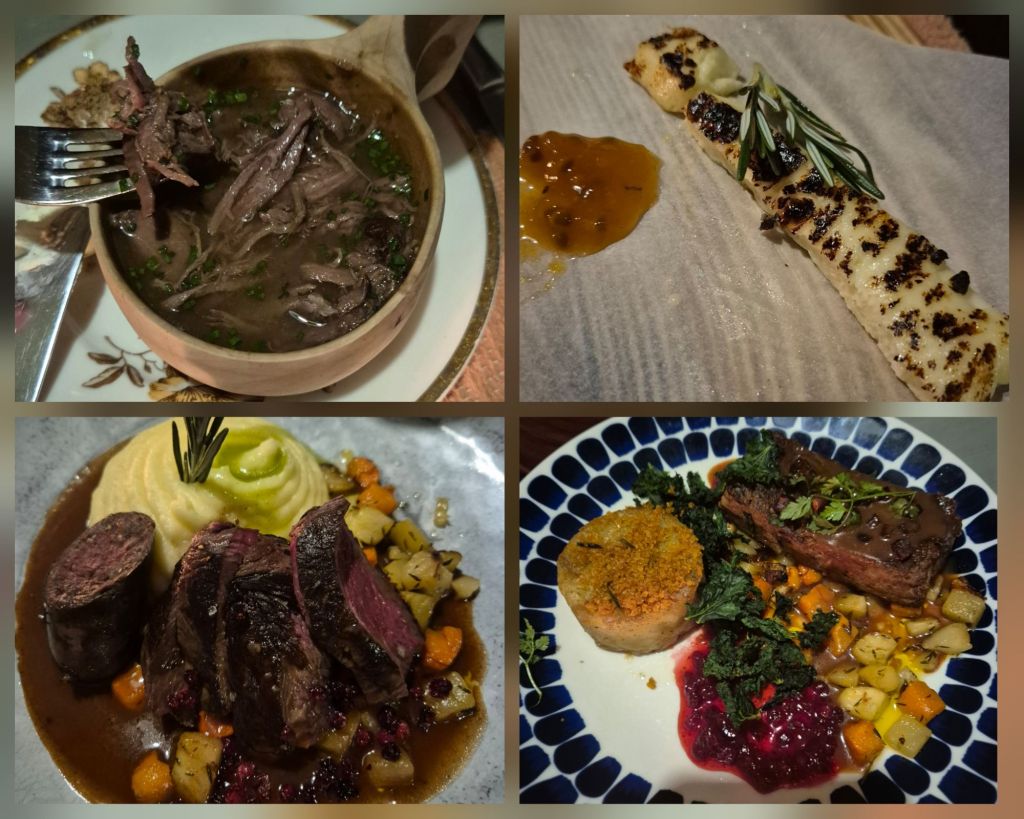
An hour or so later we walked to a nearby Finnish Restaurant where we had a meal that included Bear, Finnish squeaky cheese with cloudberry jam, Reindeer and Moose! (Moose is not spelled incorrectly and was not dessert.)
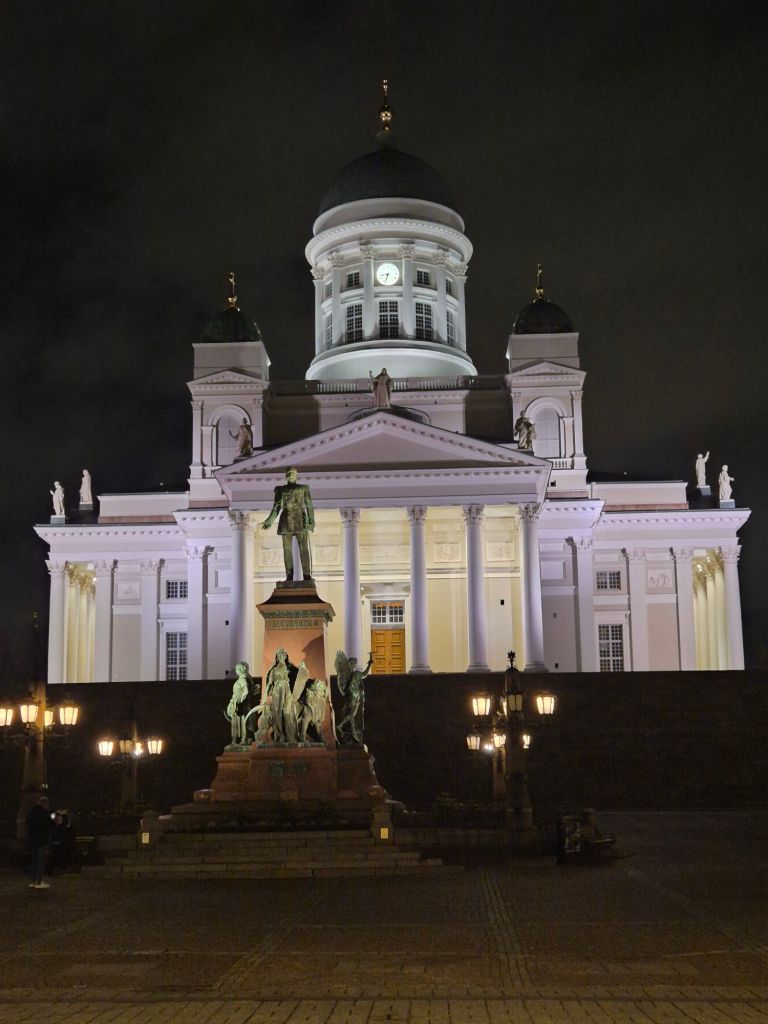
Today we hopped on a ferry and crossed to Suomenlinna Sea Fortress.
The fortress, which is actually across six islands, was built by the Swedes about 300 years ago, then given to the Russians (along with Finland) who further developed it and then later became Finnish when they gained their independence.
It is also a suburb of Helsinki with about 800 residents and a primary school.
When we disembarked the ferry, we set off along the “blue path” to the King’s Gate near the south of the complex.
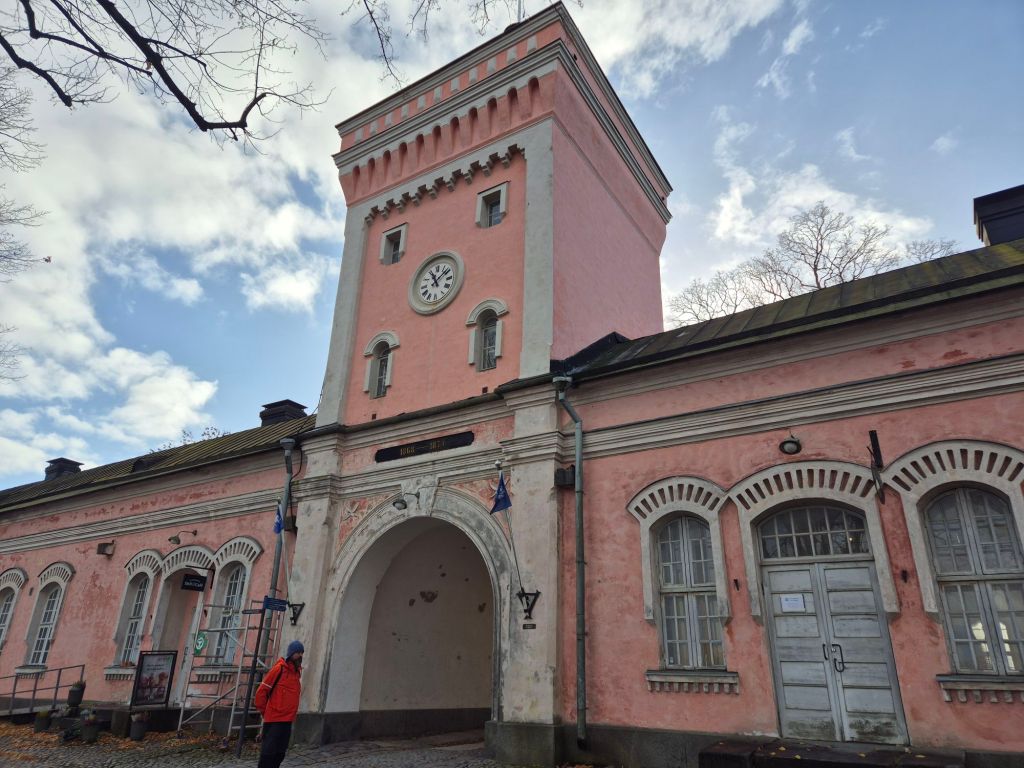
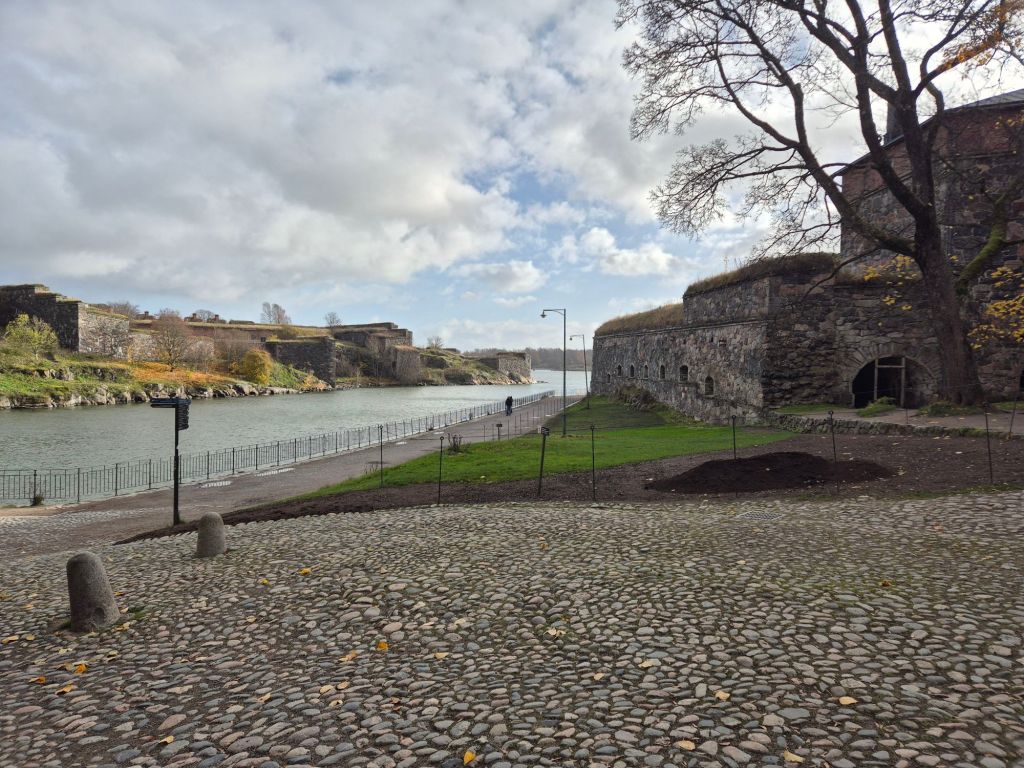
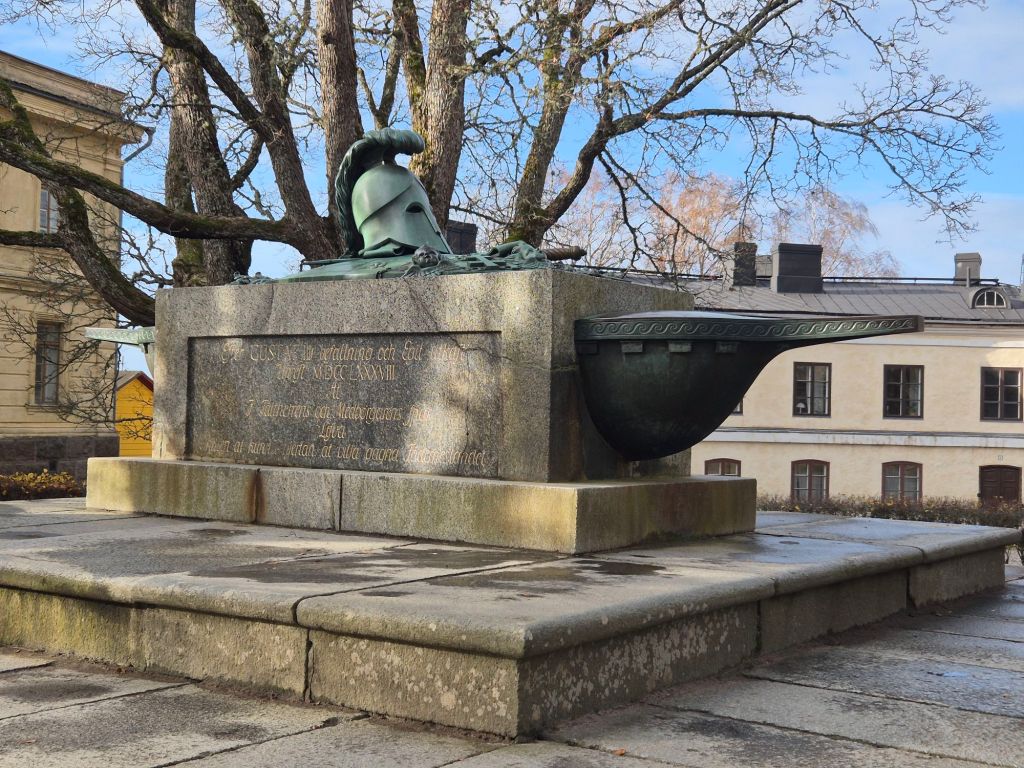
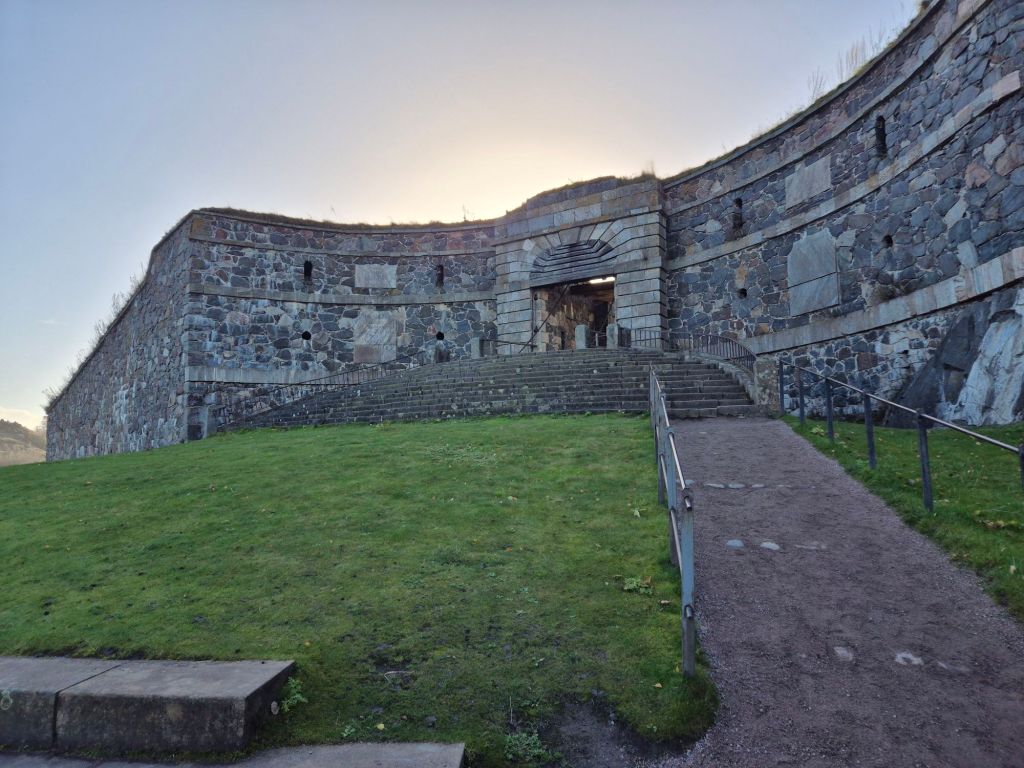
We walked in the blustery wind along the earth ramparts, past cannons and various storage buildings. We also saw a dry dock that is used to winter boats, but was previously used for building ships and ferrys. It is one of the oldest working dry docks in Europe.
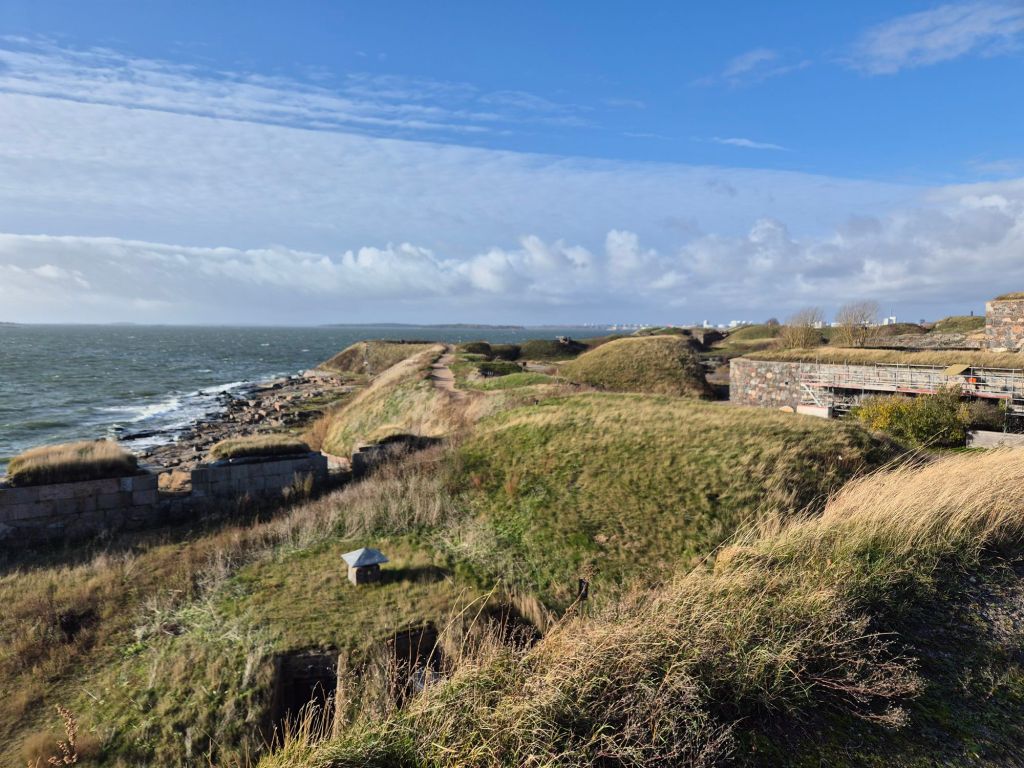
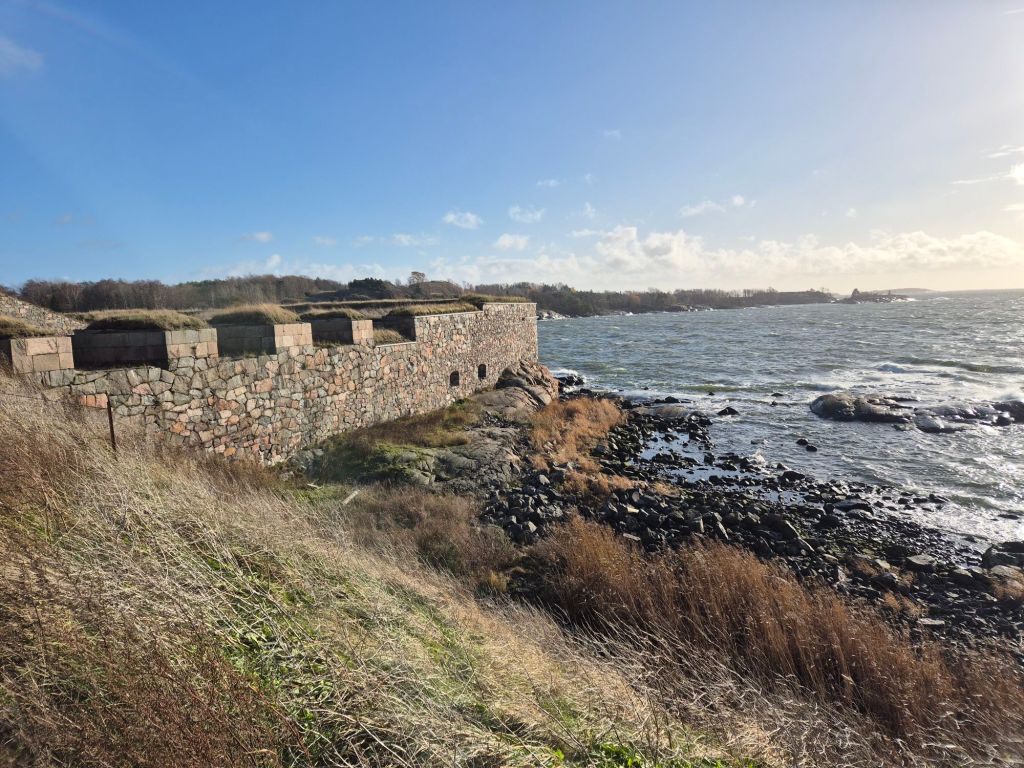
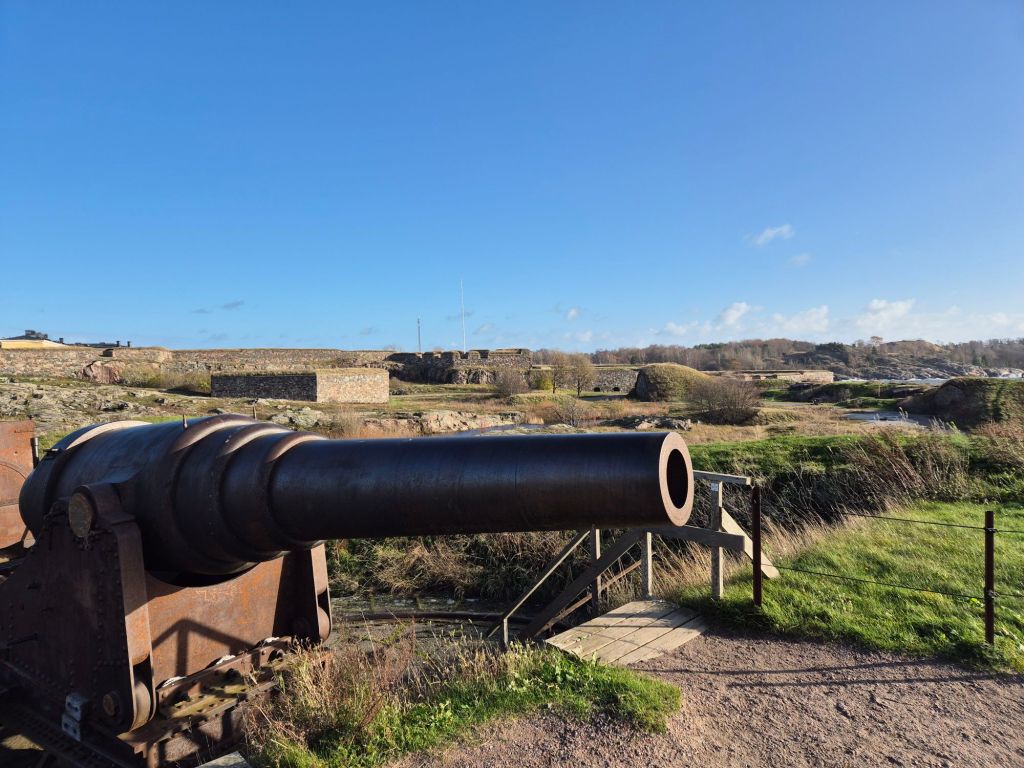
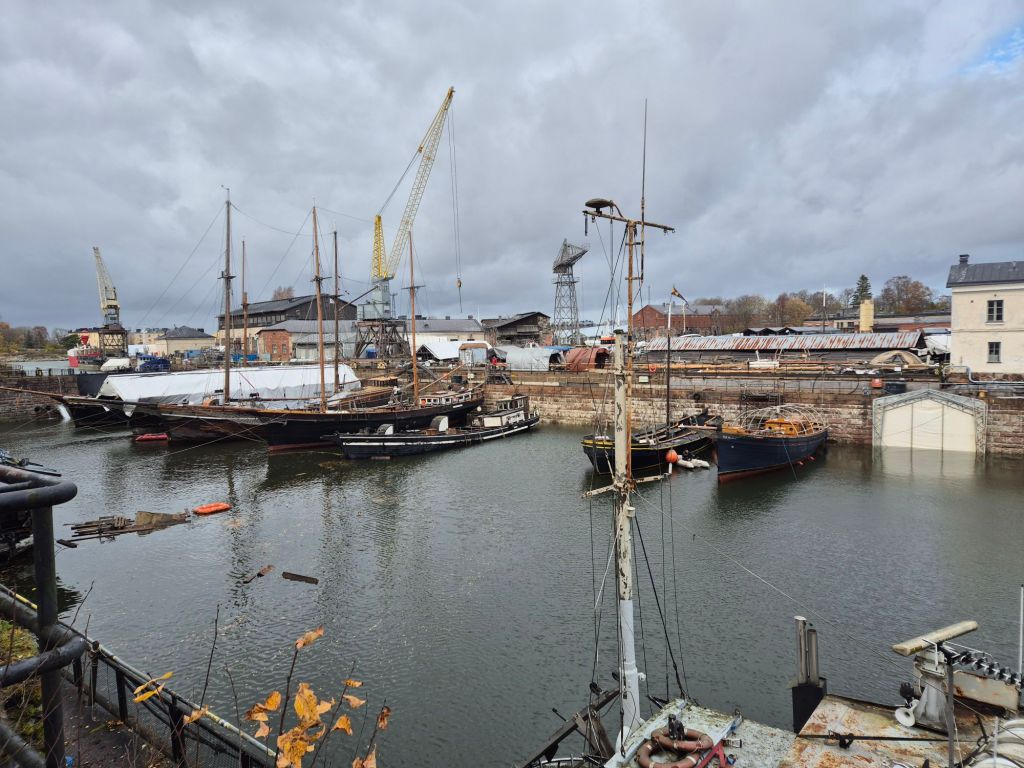
When we’d explored for a few hours we hopped back a ferry to the mainland.
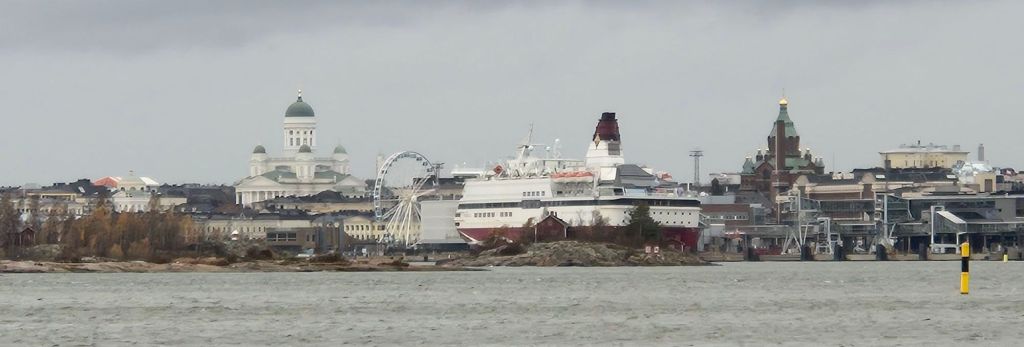
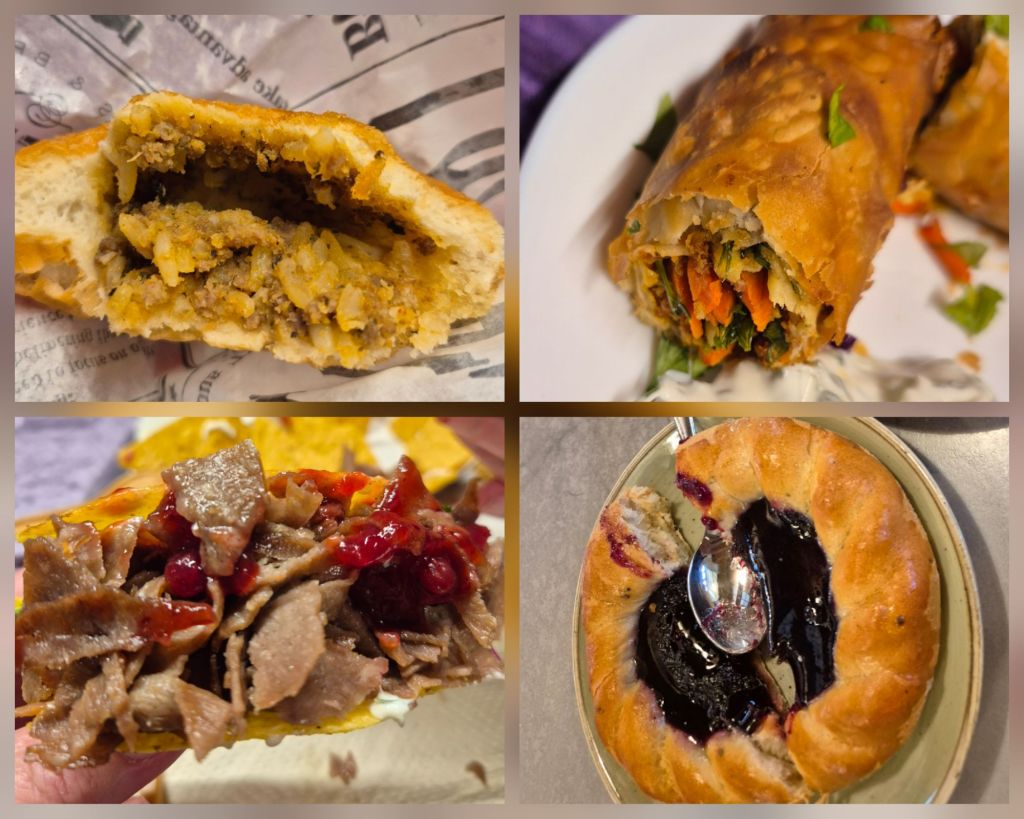
From there we walked to the Central Market to do a mini ‘food tour’ for our main meal of the day. Foods we ate included Finnish Pie, Reindeer Spring Roll, Reindeer Tacos and finished with a blueberry tart.
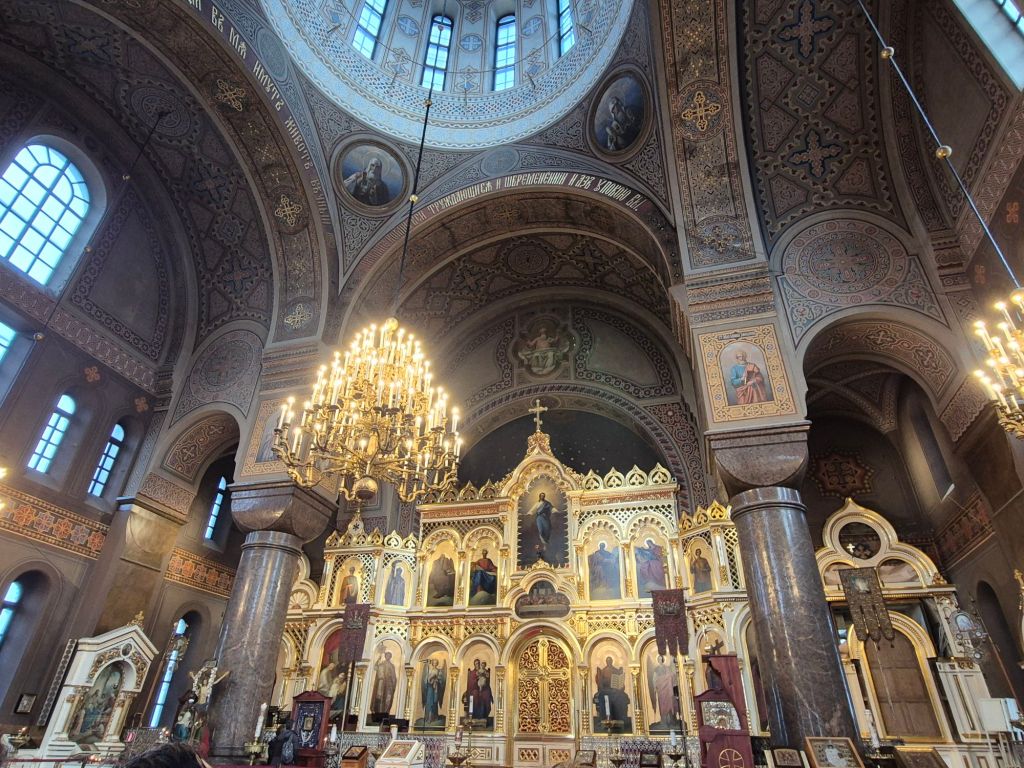
On our way back to our accommodation we stopped to look inside Uspenski Cathedral.
Today we were up early, packed the car and an overnight bag for our ferry to Stockholm tonight, and headed off to experience an authentic Finnish Sauna.
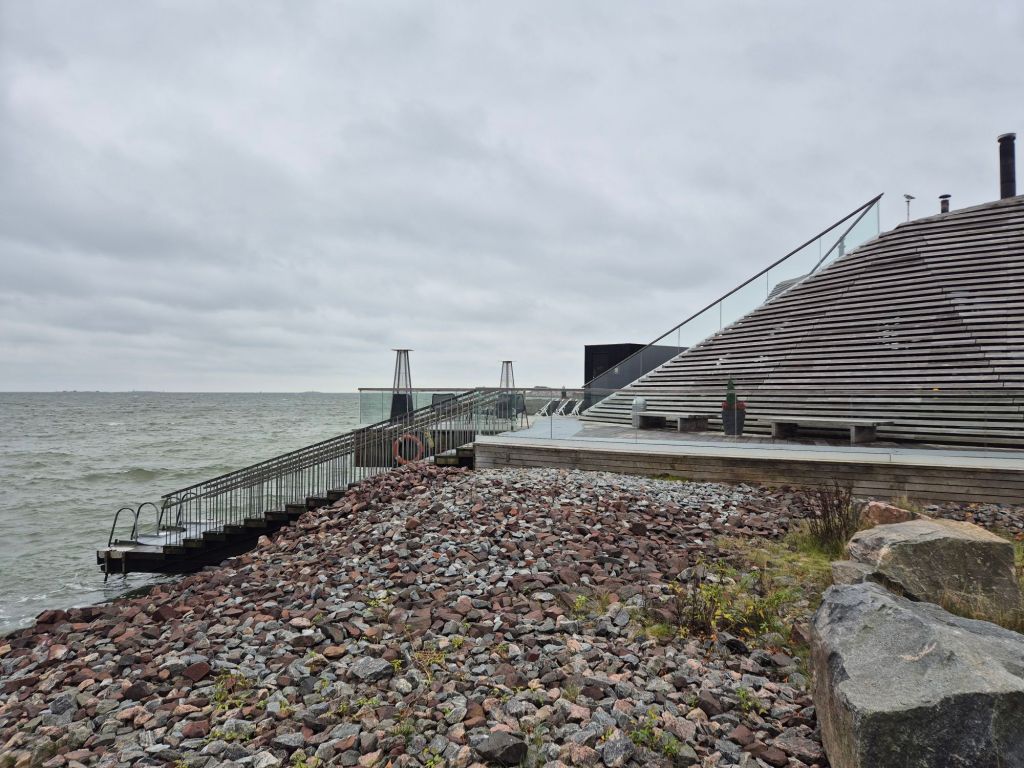
Well, almost authentic, bathers were mandatory thank goodness!
We’d booked a morning session with breakfast afterwards. The sauna, Loyly, is situated right on the shoreline and was nominated in the “Time Magazine Top 100 places in the world” in 2018!
Inside there were three wood heated saunas and outside on the deck, one electric one. The electric one was the most popular as it had a glass wall that provided views over the bay.
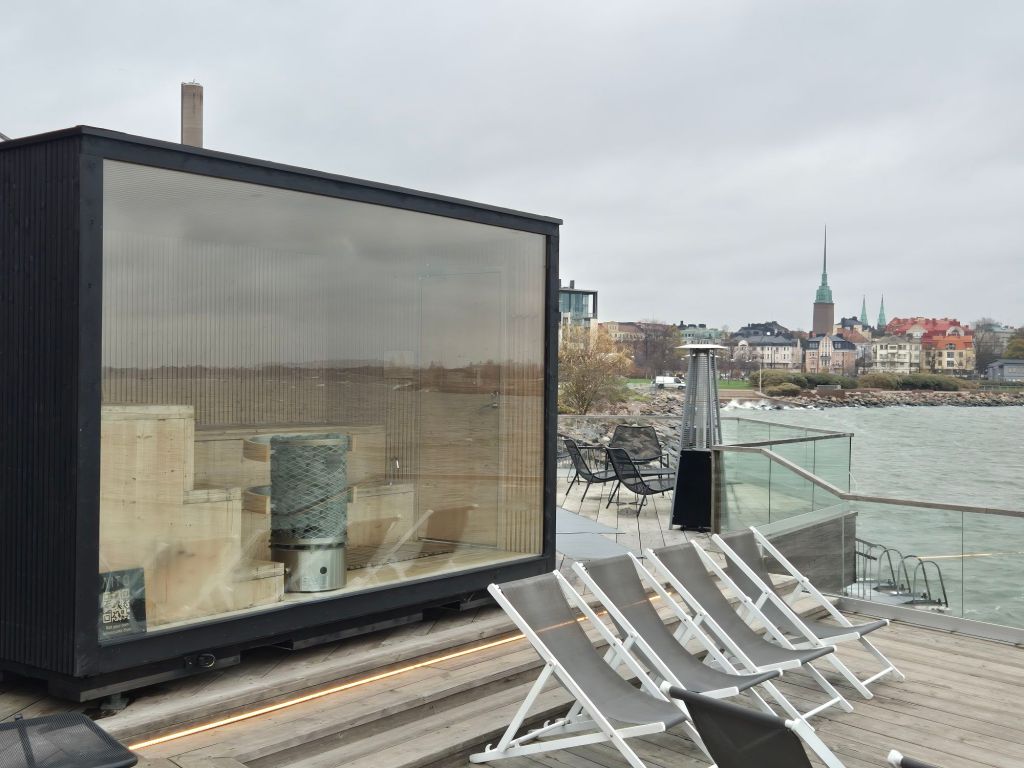
We spent time in each sauna and in between did the Finnish thing by climbing down the ladder into the Baltic sea. As expected, it was COLD, but after the 4th dip, we were staying in the water a bit longer. After each dip we went back into a sauna to warm up again.
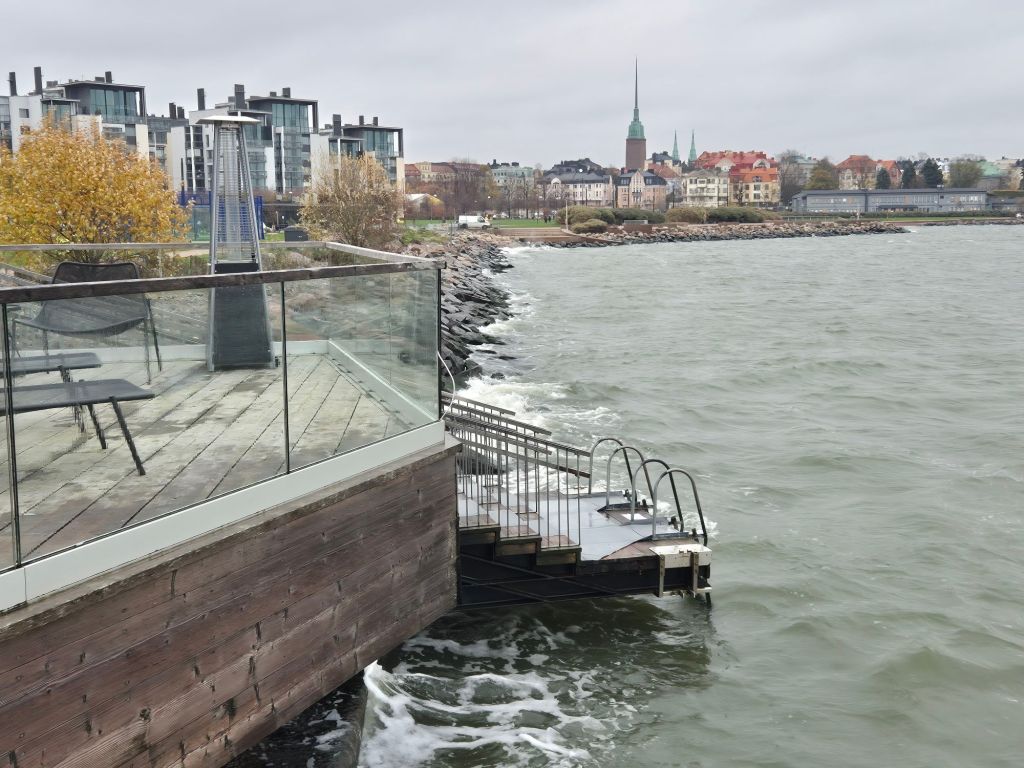
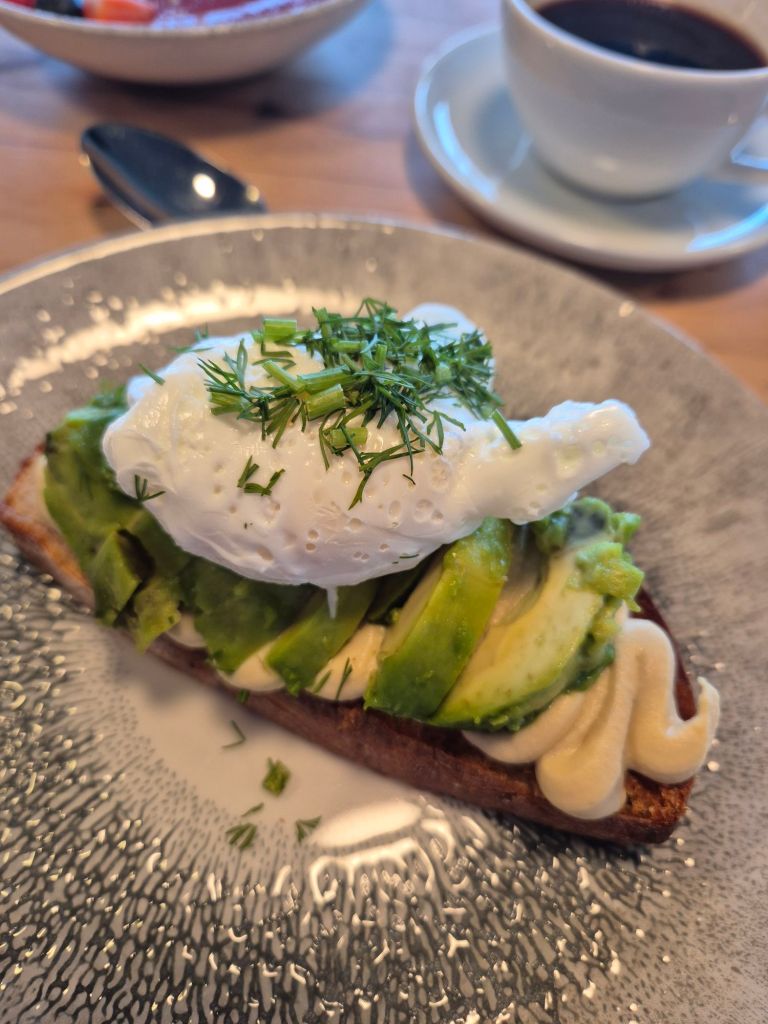
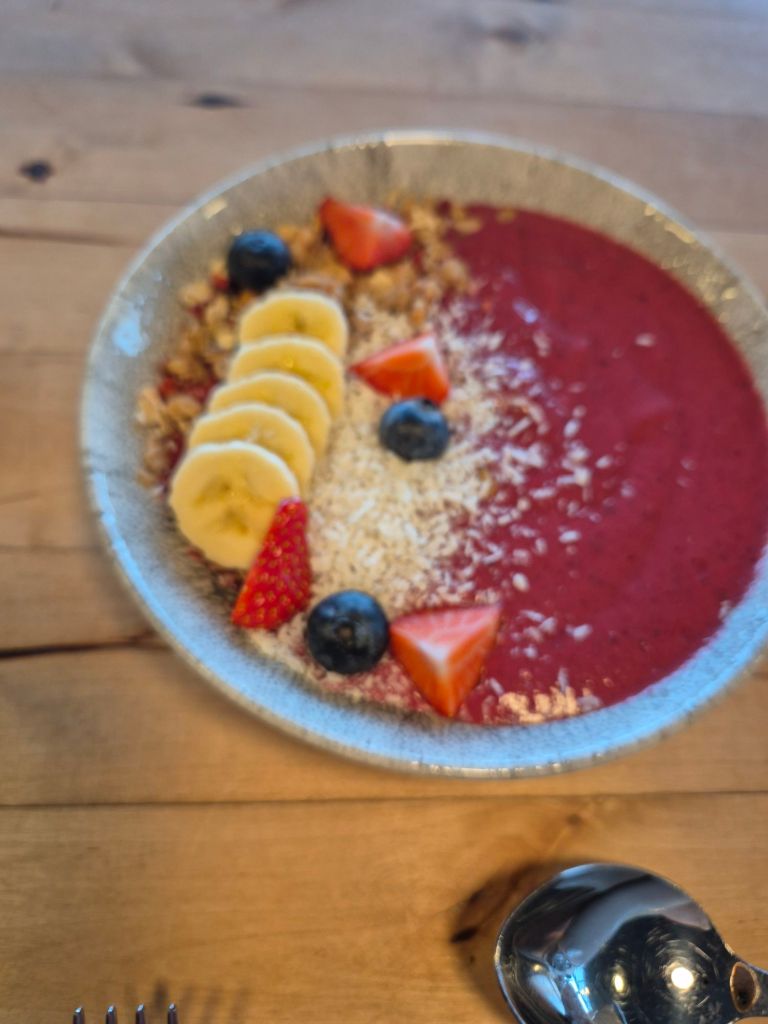
When our hands were pruney we showered, dressed and headed to breakfast in the restaurant. With still tingling skin we ate and relaxed for a while, knowing we still had 4 hours to kill before ferry check in. Breakfast was very good.
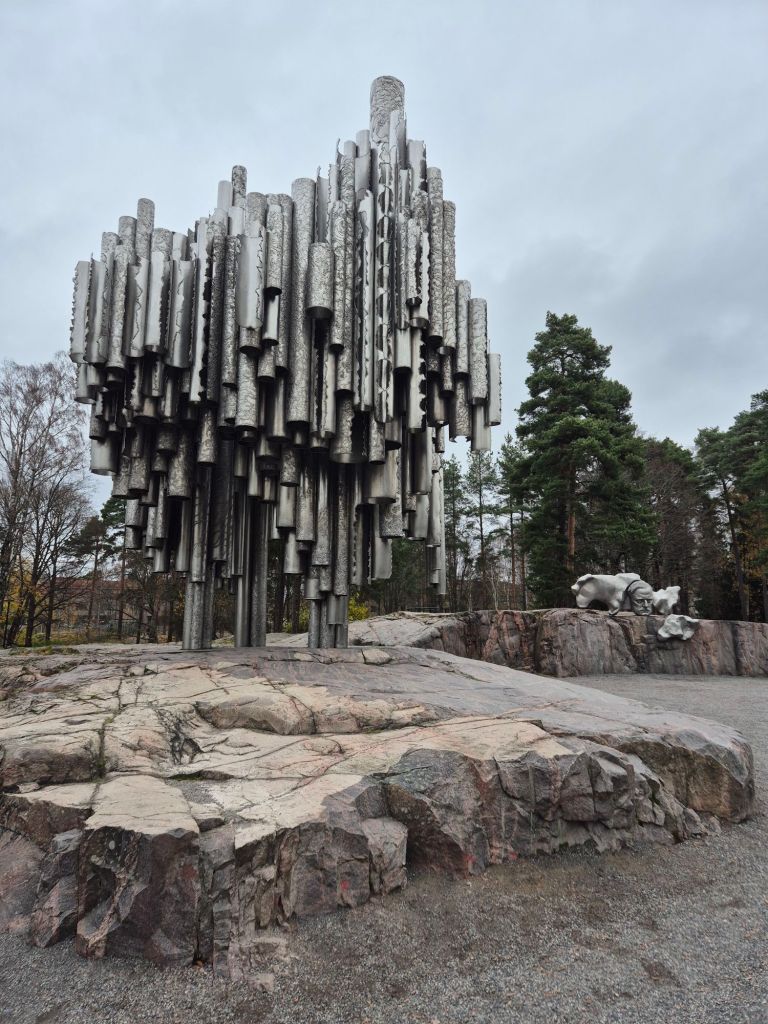
We then drove to a park that has a memorial to Jean Sibelius, a Finnish classical music composer.
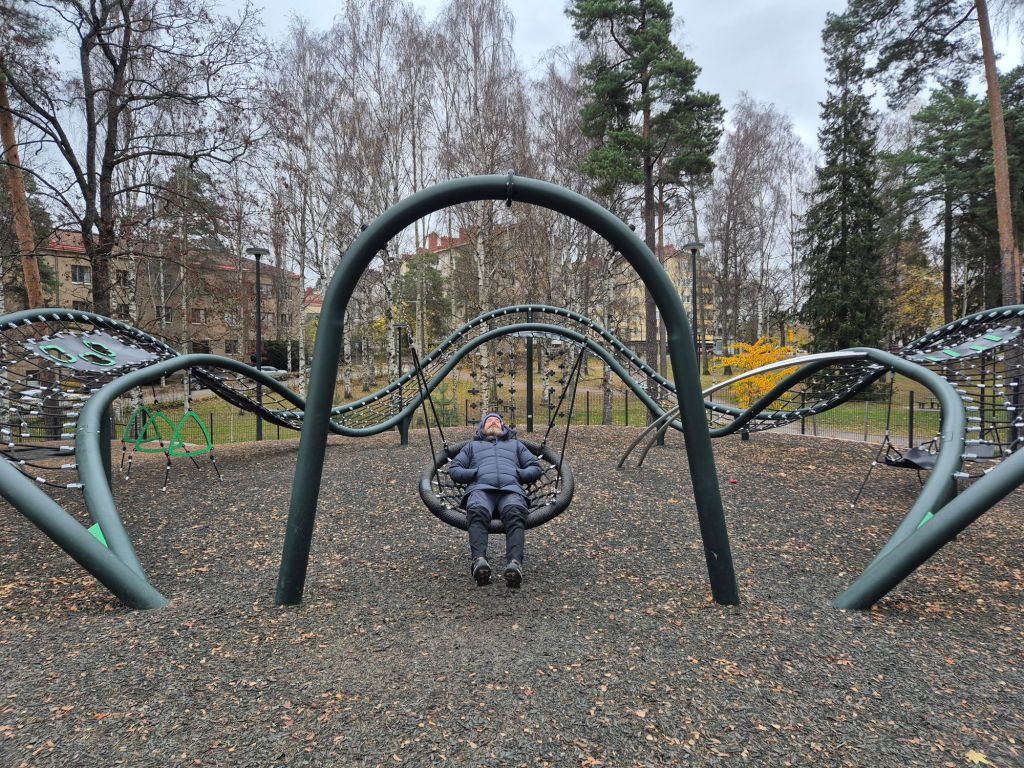
We also had a play in the really cool playground.
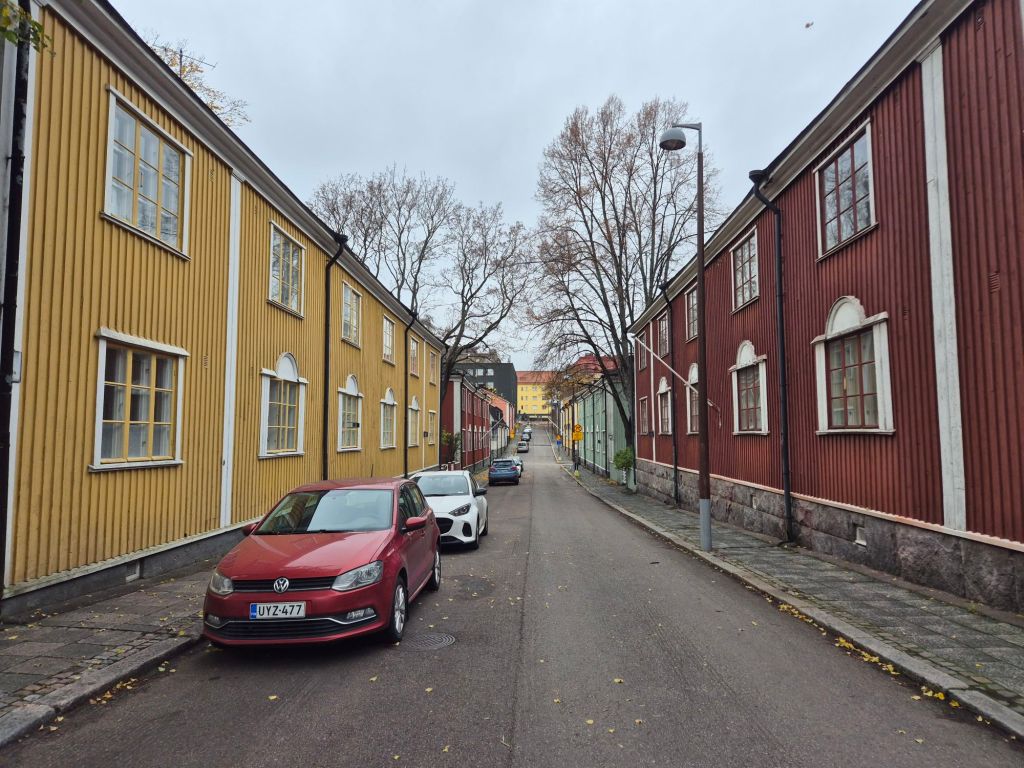
Looking for somewhere else to go, we spotted a suburb of traditional wooden houses that were painted in various traditional colours. We parked up and wandered the handful of streets; the houses were not as bright as we’d expected but were charming none the less.
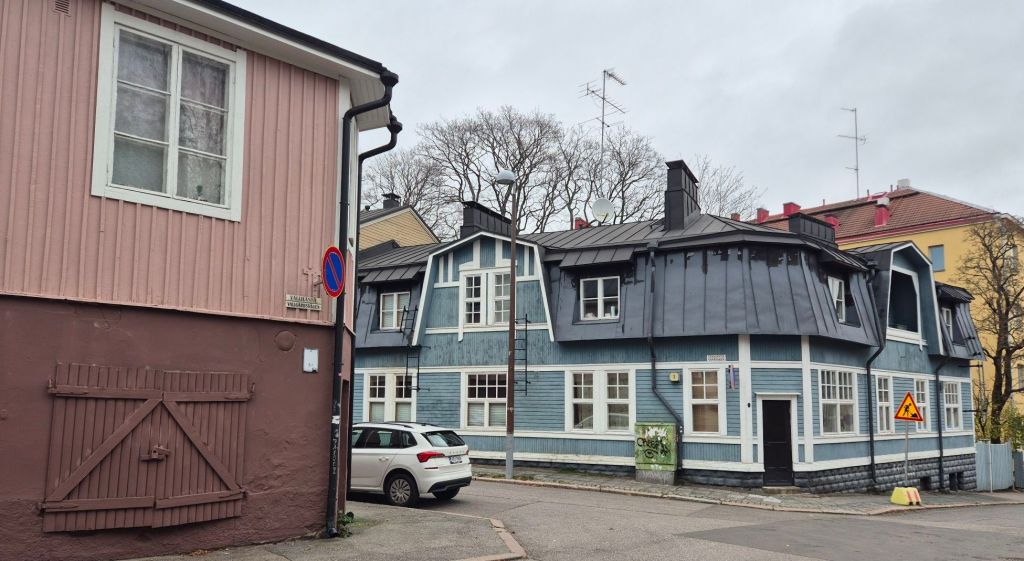
They all had ladders attached to the side of them near a second storey window, we assume to escape incase of a fire. You’d need to be highly motivated to climb out some of the windows, along the sloped roof and onto the ladder, then drop the last 2m to the ground. We guess a sore ankle is better than being burnt to death.
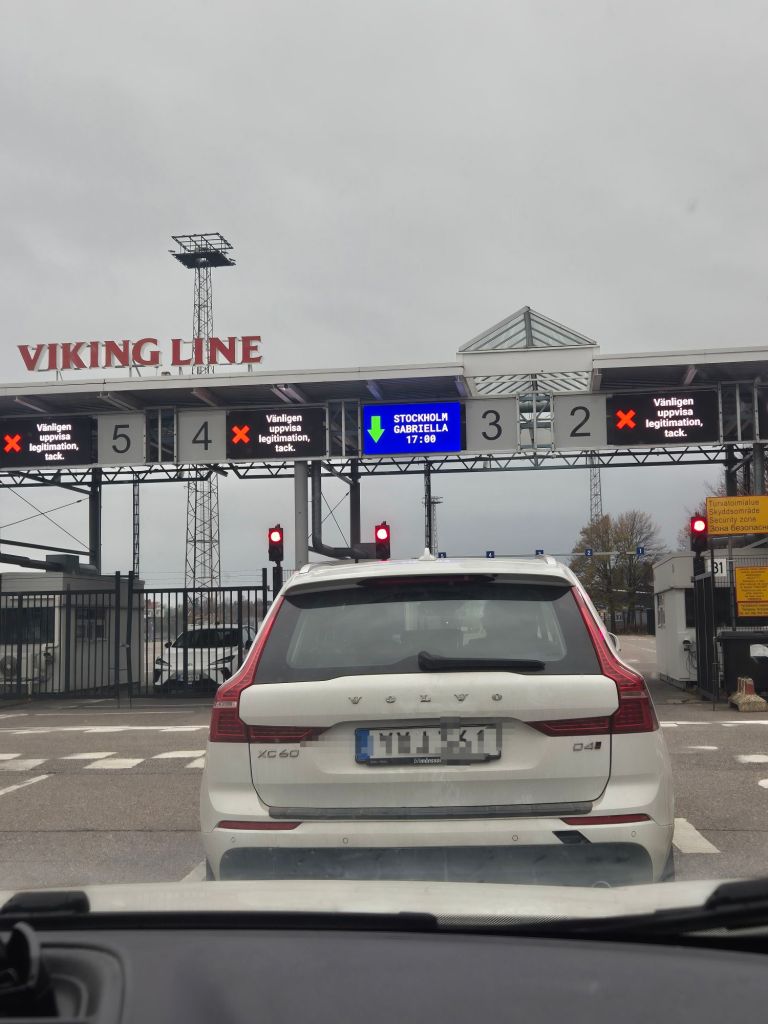
We’re now awaiting our departure to Stockholm, an overnight ferry, quicker than driving. Unfortunately we can feel the wind buffeting the car as we sit in the queue, Travacalm may actually have to do a job tonight!
After a relatively smooth, overnight ferry trip from Helsinki, and a very early morning stop at the Åland Islands, we arrived in Stockholm on time.
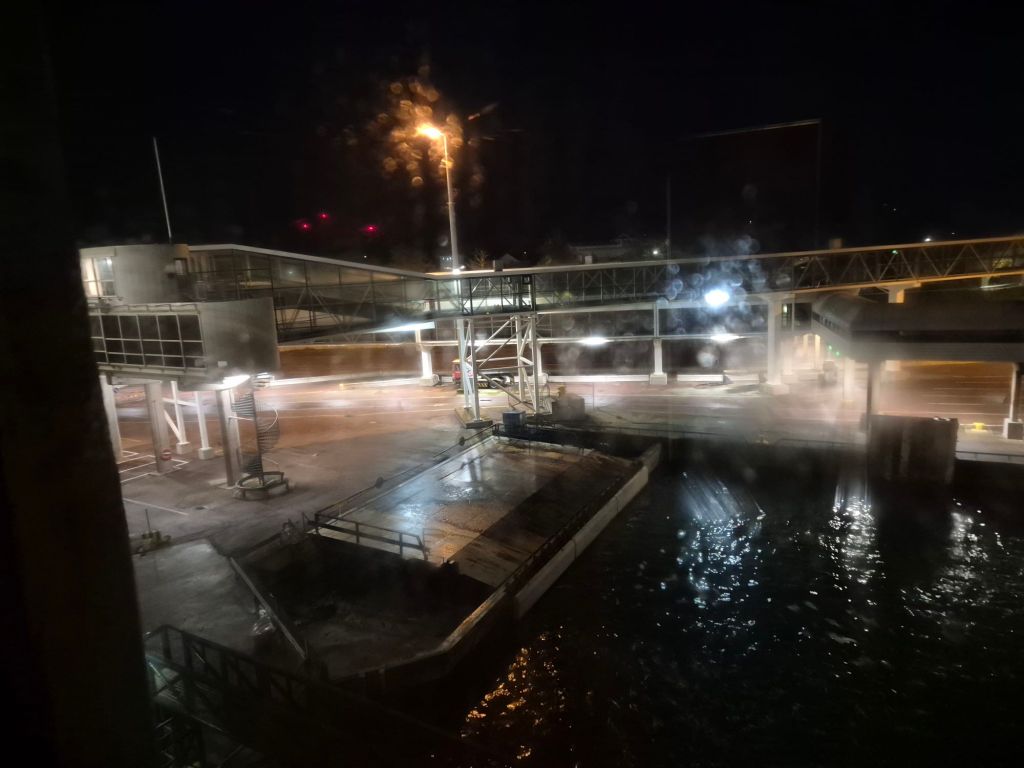
This was out final car ferry of the trip (if all goes to plan).
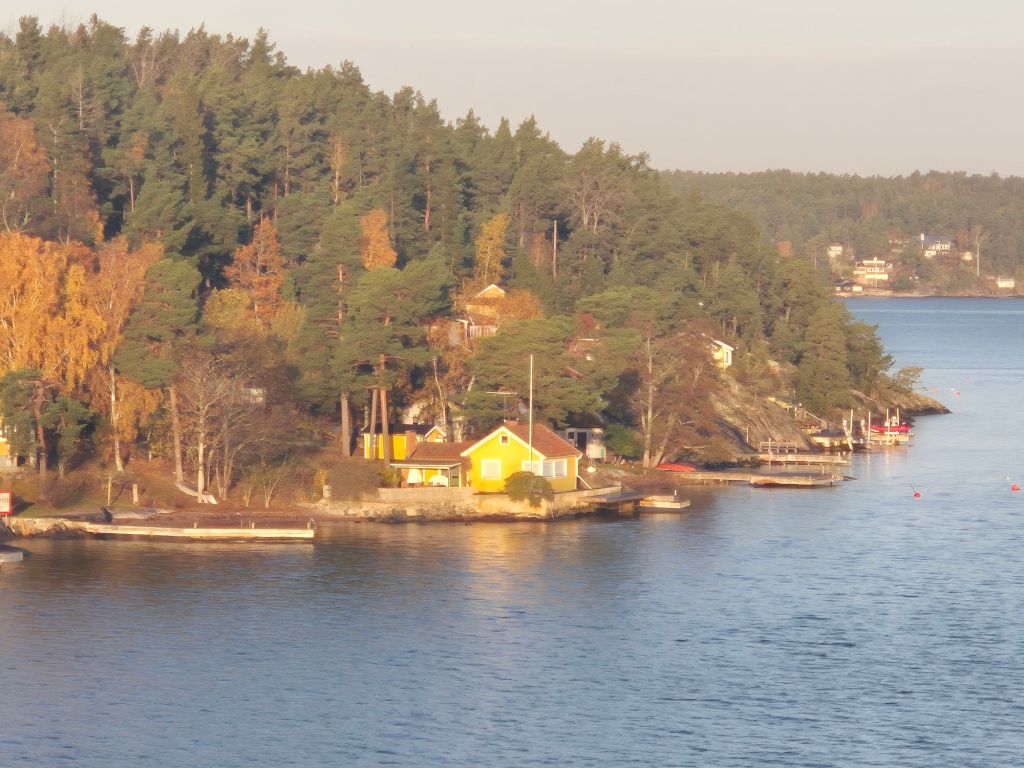
The final few hours of the trip was passing between islands with typically colourful Swedish houses on them.
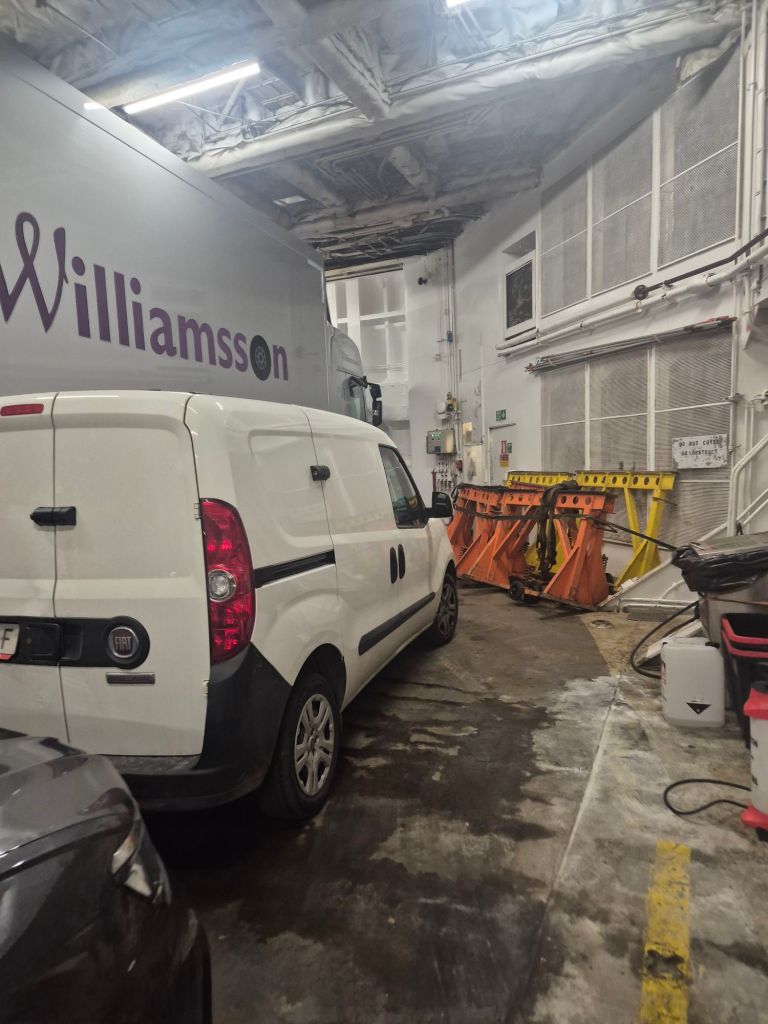
It was an easy disembarkation and as Kevin drove, I quickly registered the car for tolls and emissions zone charges. Within 30 minutes of docking we were in our hotel.
We sorted out public transport tickets for our phones and headed into town to Stockholm City Hall (Stockholms stadshus).
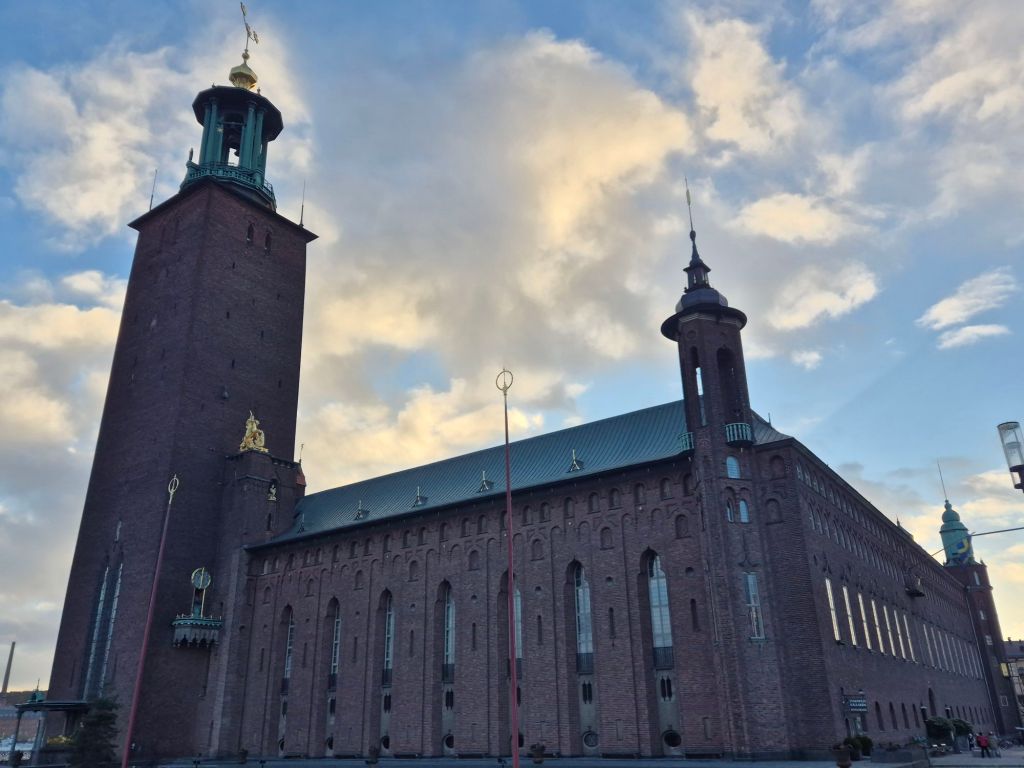
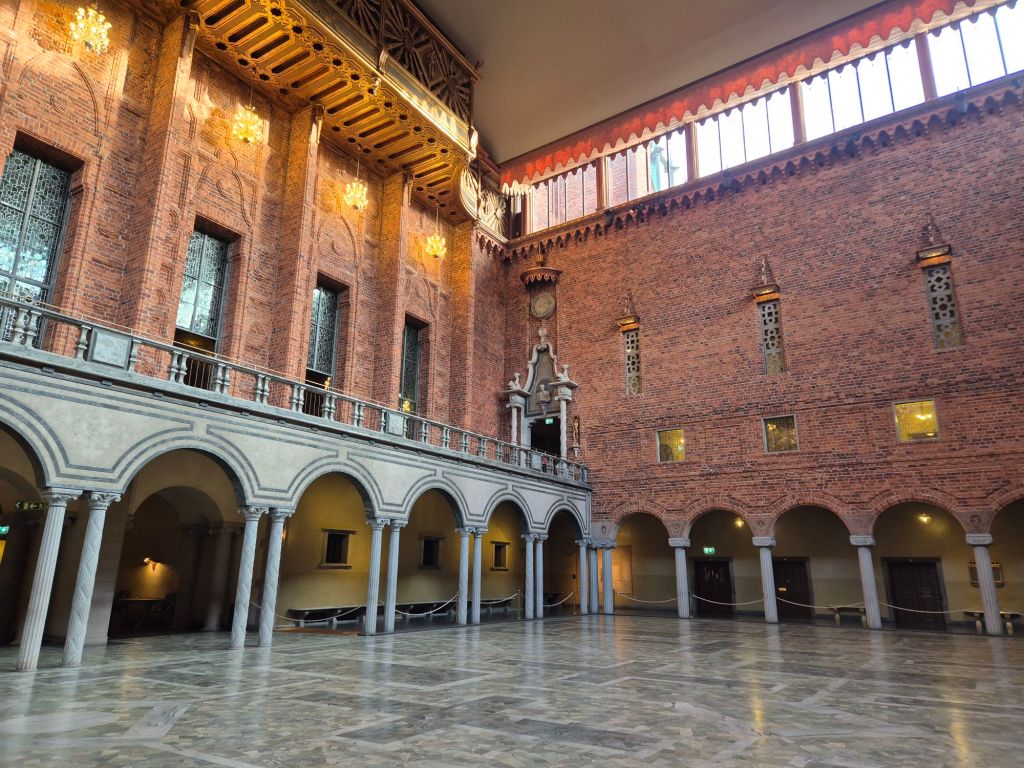
We joined a tour that started in the Blue Hall, that is infact, not blue. It is known as the Blue Hall, because the architect originally wanted it rendered with blue stucco to show a connection to the nearby water. However when he saw the brickwork, he changed his mind. However, by then the name Blue Hall was already what people were calling it. The hall hosts the Nobel Prize Banquet each year to honour the 6 prize winners.
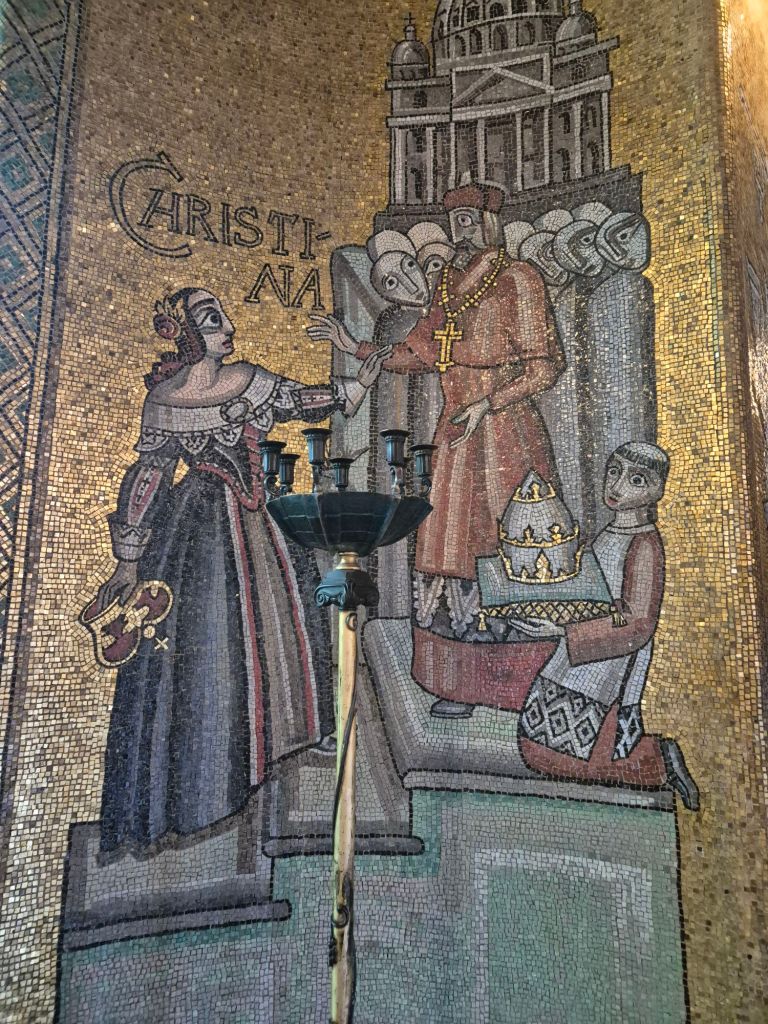
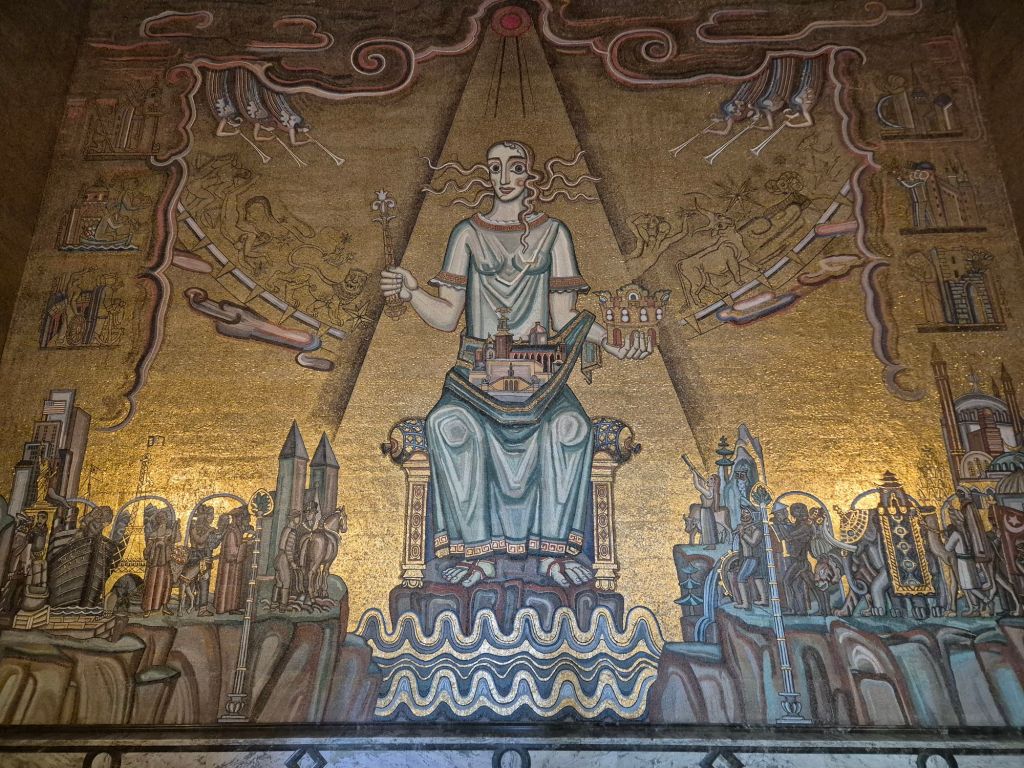
We then progressed to the Golden Hall, the only other room open today. This is named accurately named. There are 11000 gold (leaf) tiles out of the 18000 tiles that make up the mosiacs in the walls. The room was designed and decorated within two years. The designer of the murals was only 28 years old. The murals depict historical events of Sweden as well as notable figures in Sweden’s history. It was the original room for the Nobel Banquet, however numbers increased so the banquet was moved downstairs.
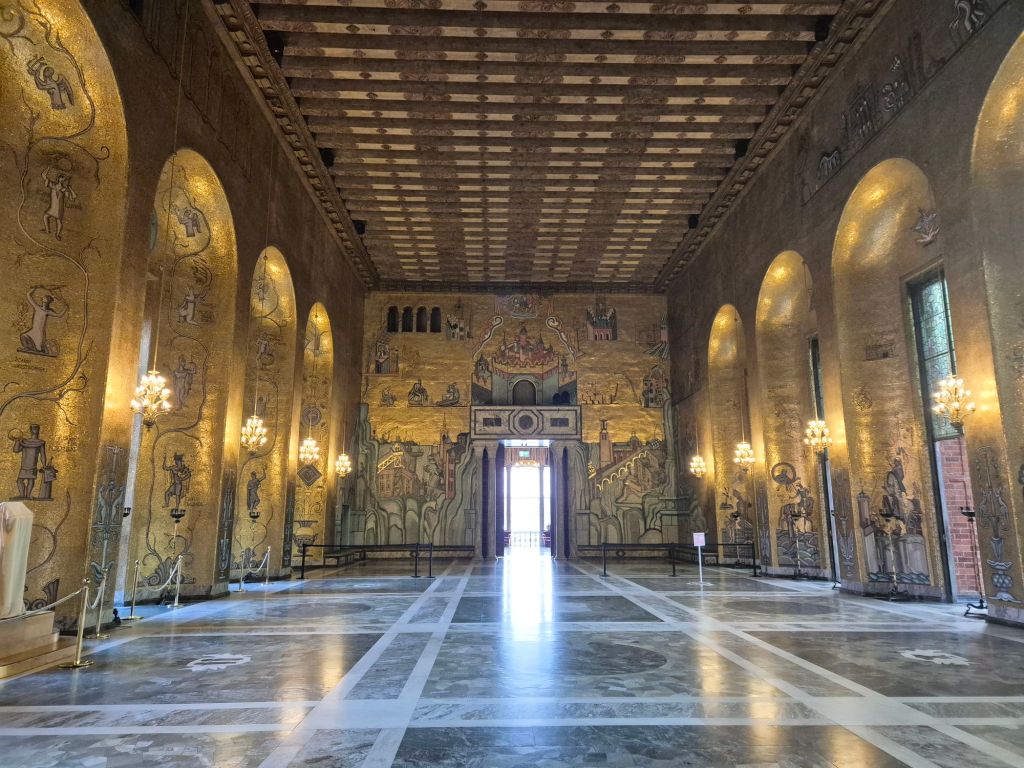
The hall’s main purpose nowadays is as a venue for smaller events, preparation area for the Nobel Banquet and is also used as a dance hall after the banquet. The stairway was designed to ensure ladies in their high heels and large ball gowns could go up and down easily. Back down the stairway we were introduced to the pipe organ. It houses 10000 pipes and 135 stops. It is still used for concerts.
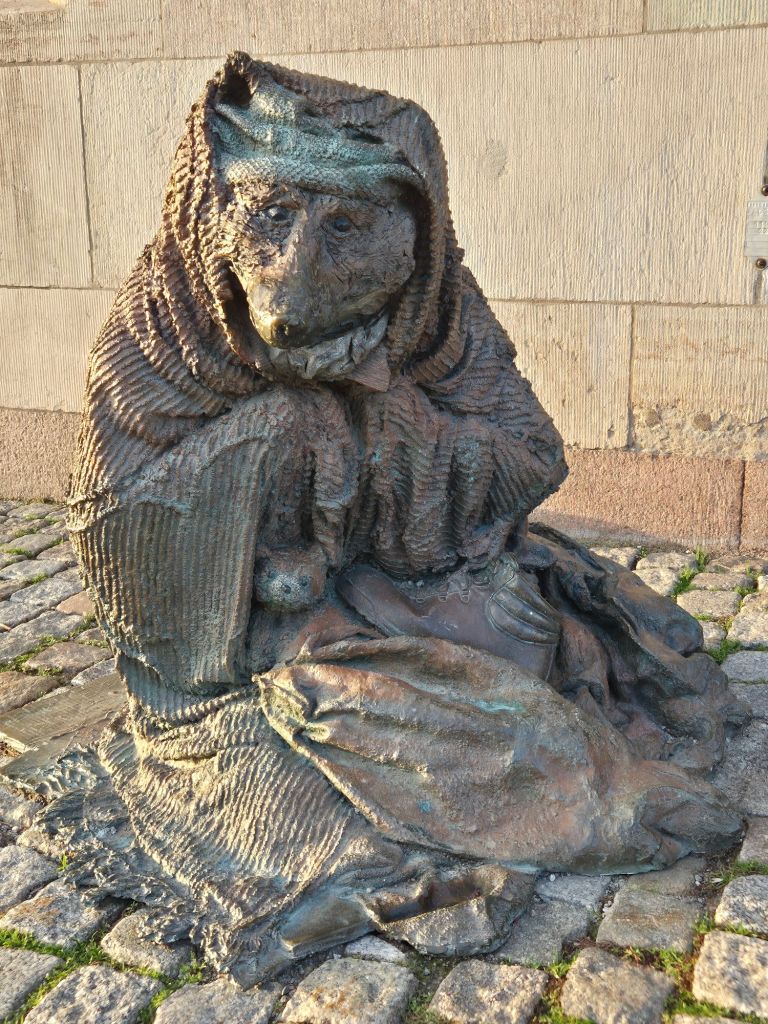
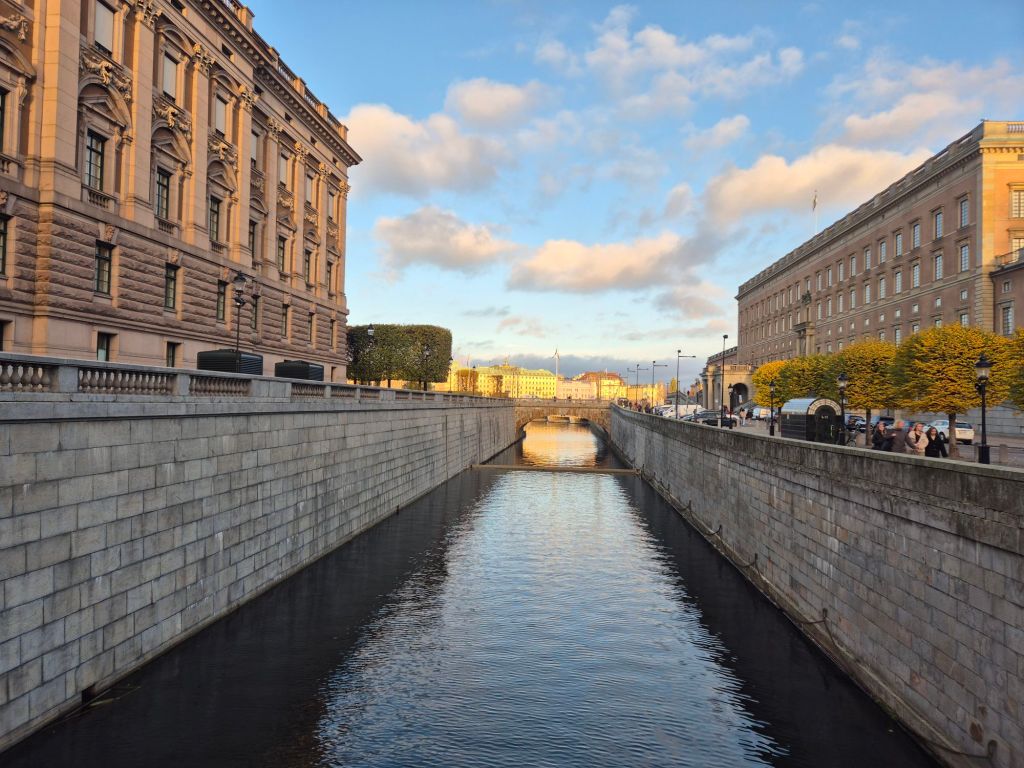
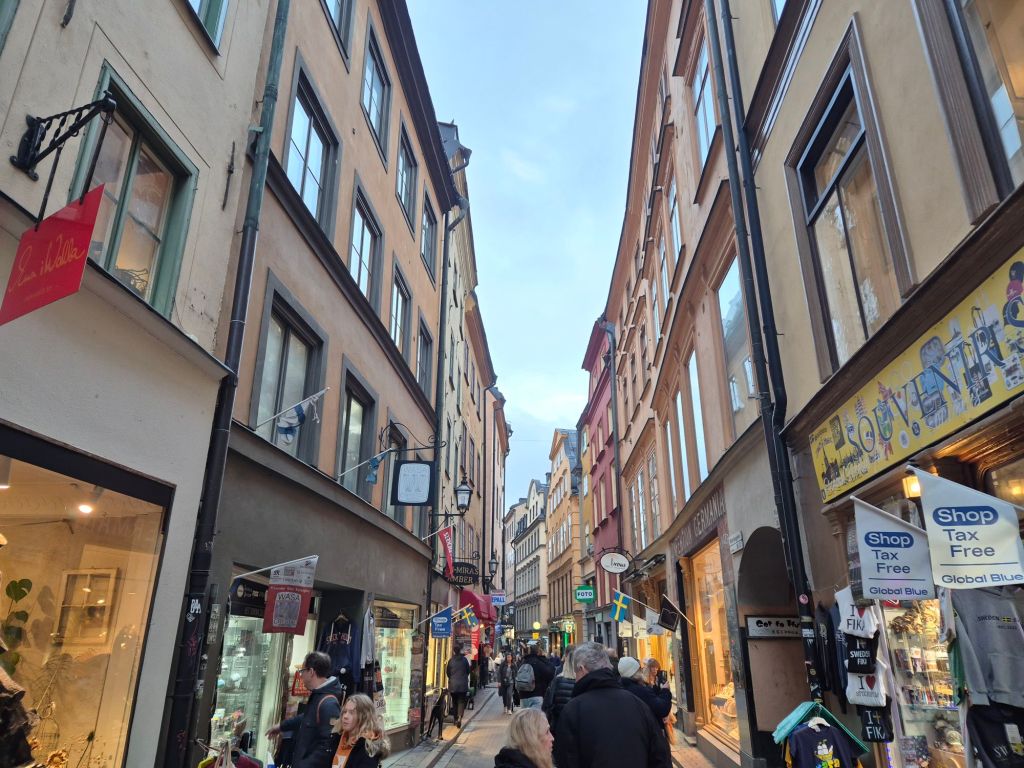
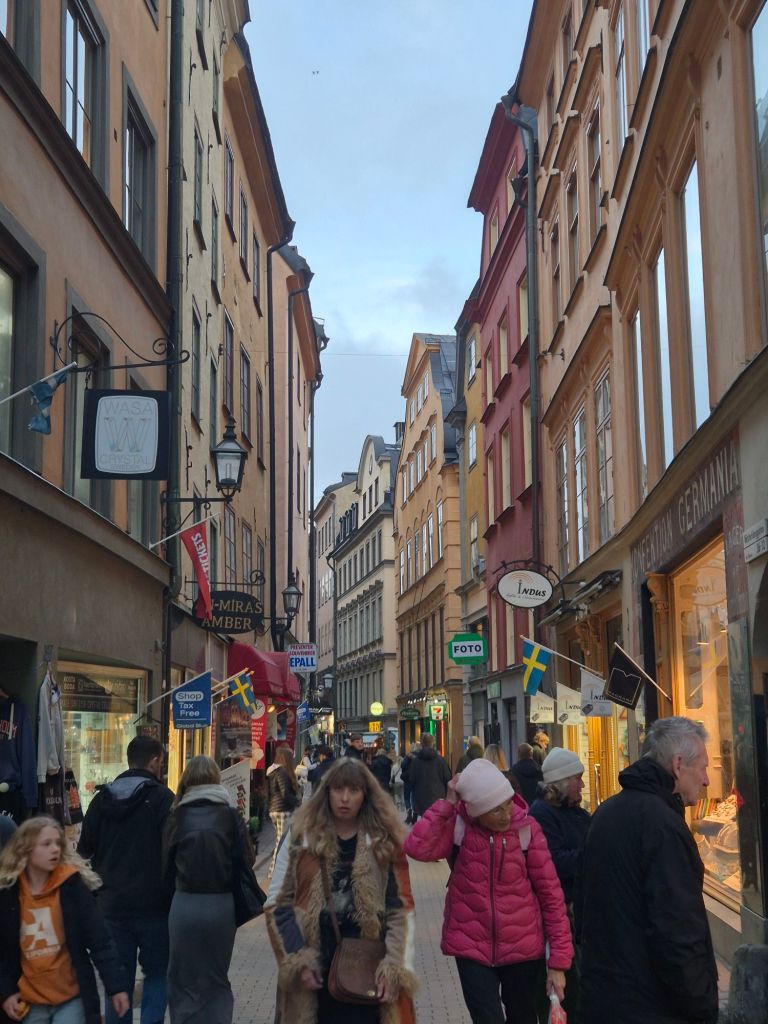
After the tour we walked into the main tourist area, did a small bit of shopping, had a beer then caught a bus back to our hotel. It was almost dark by 430pm!
Today was a designated museum day. We haven’t had one for a while.
This morning we jumped on a bus then a boat and then walked a couple of blocks to the ABBA Museum.
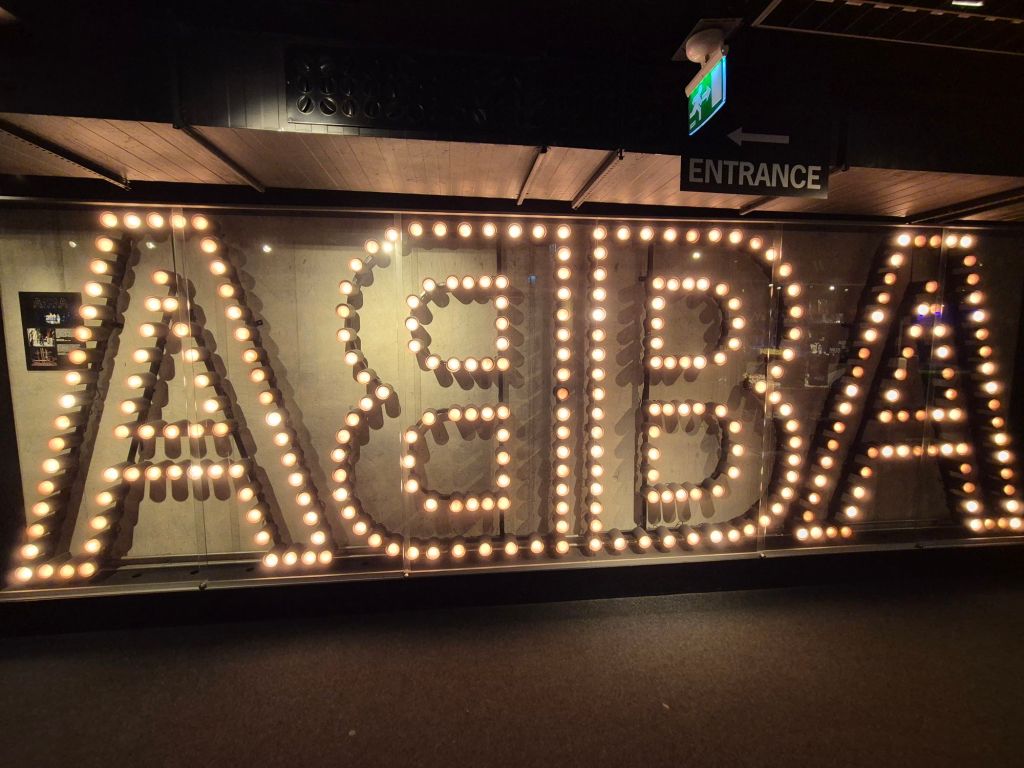
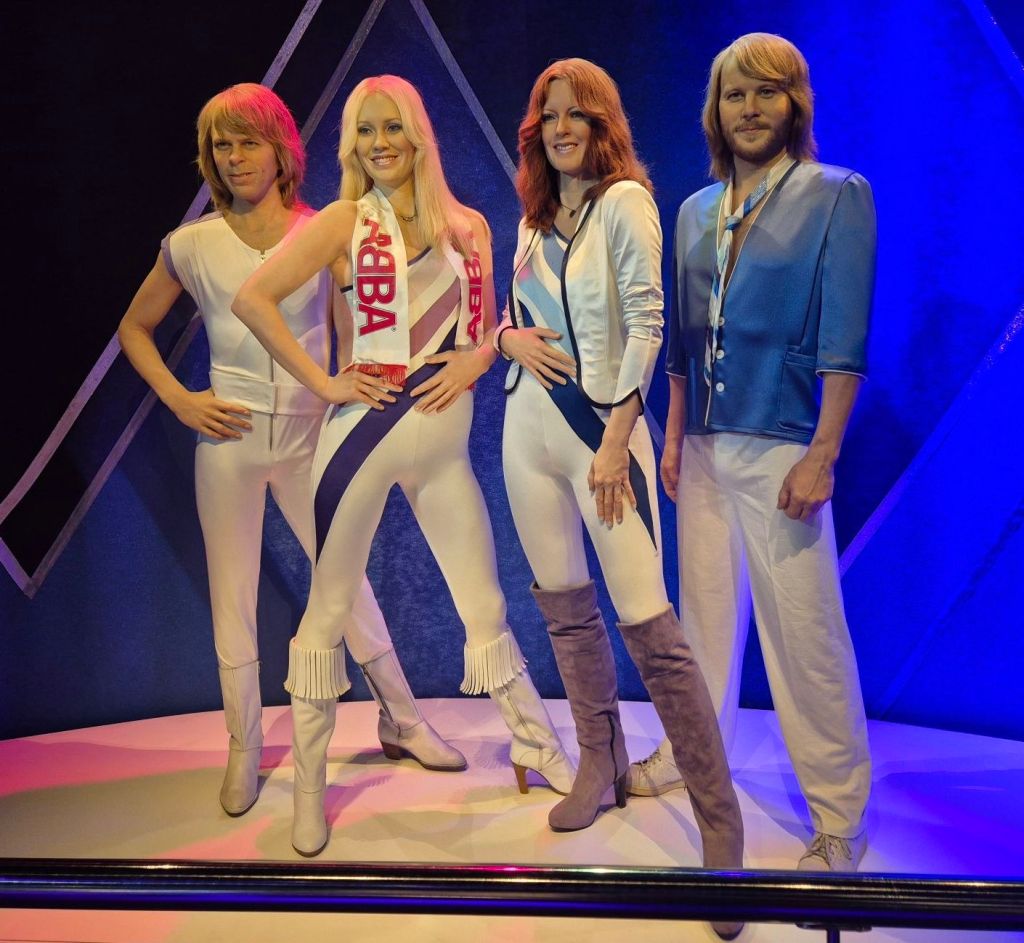
The museum started with a room dedicated to the 50th anniversary of Dancing Queen. 50 years, can you believe it? The outfits they wore when they sang Dancing Queen at the 1976 Royal Wedding Concert for the marriage of the current King Carl XVI Gustaf and Queen Silvia were displayed here.
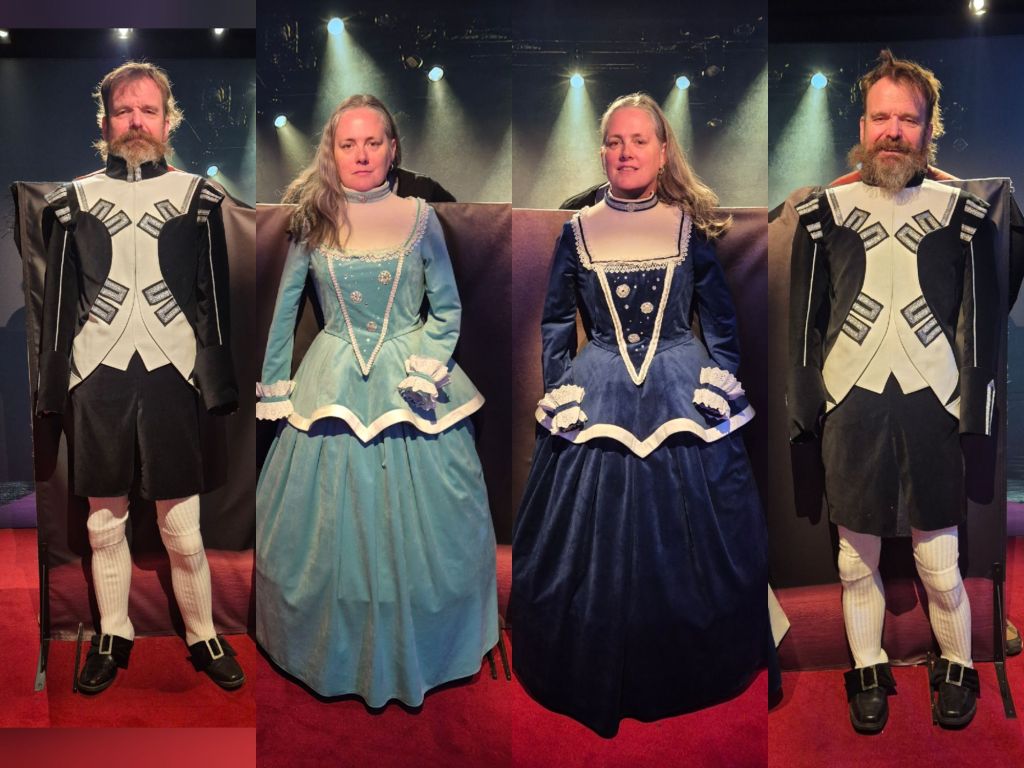
The museum is actually co-owned by Bjorn and is full of items relevant to the band and various performances and costumes from a range of videos and concerts over the years.
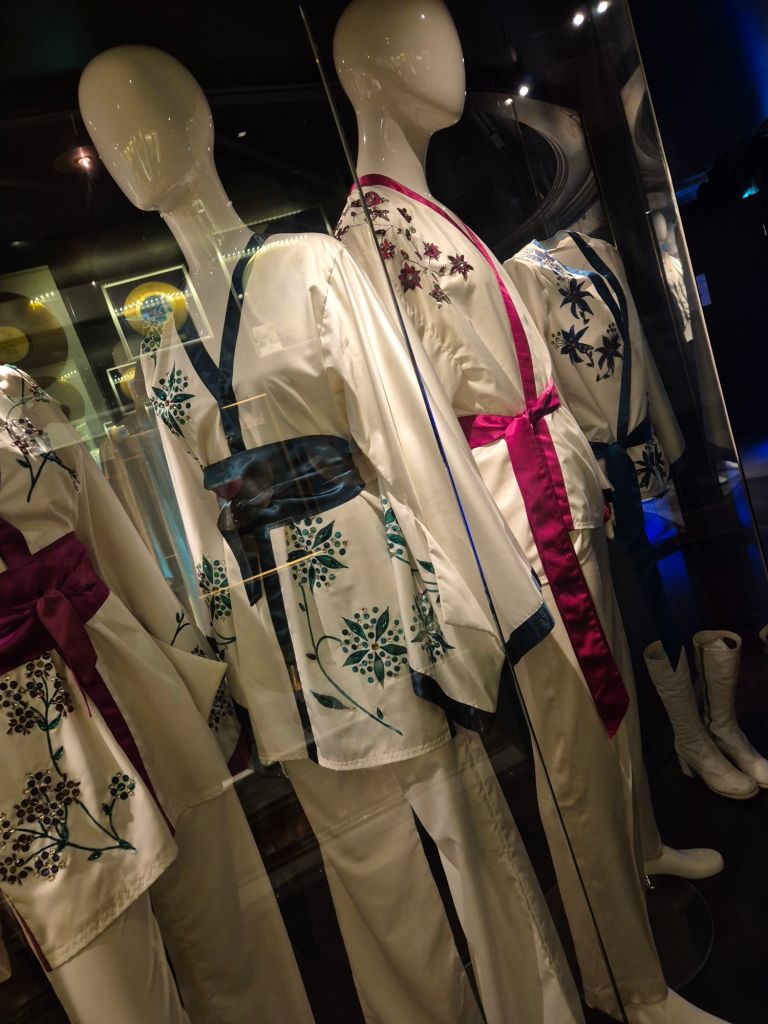
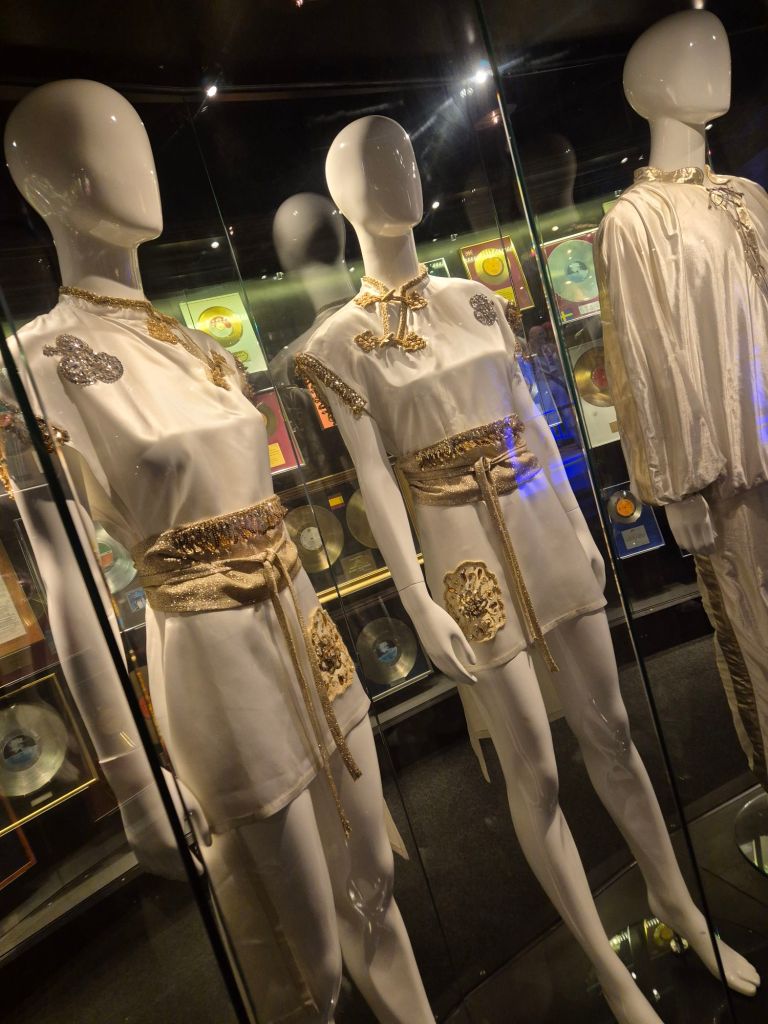
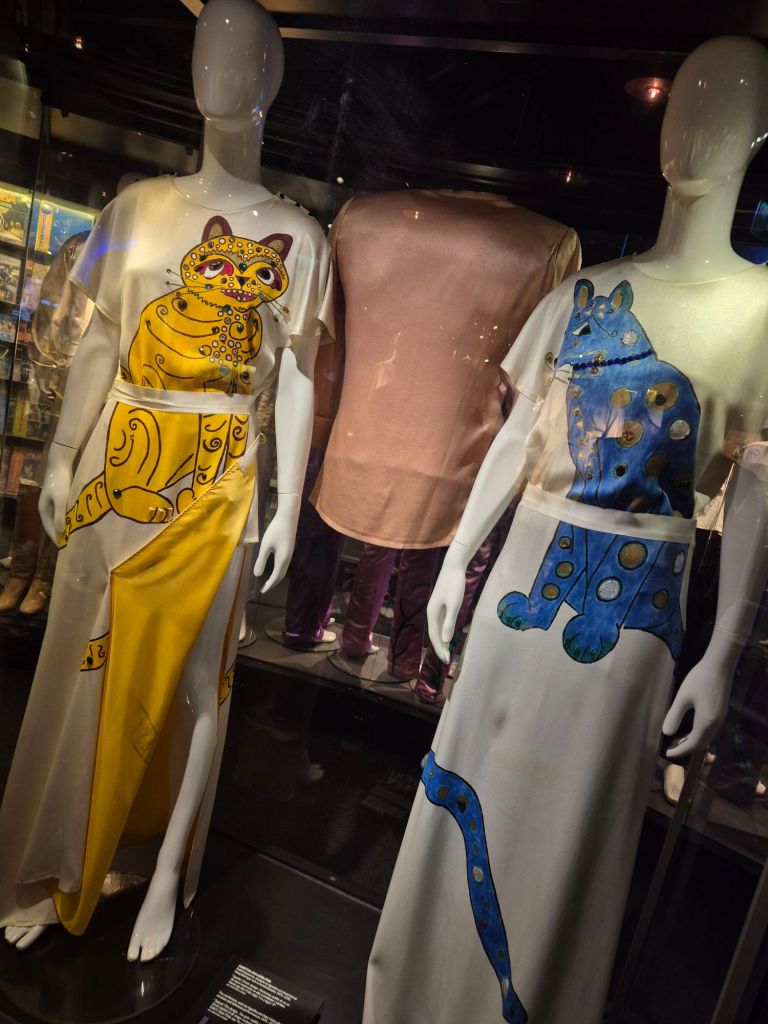
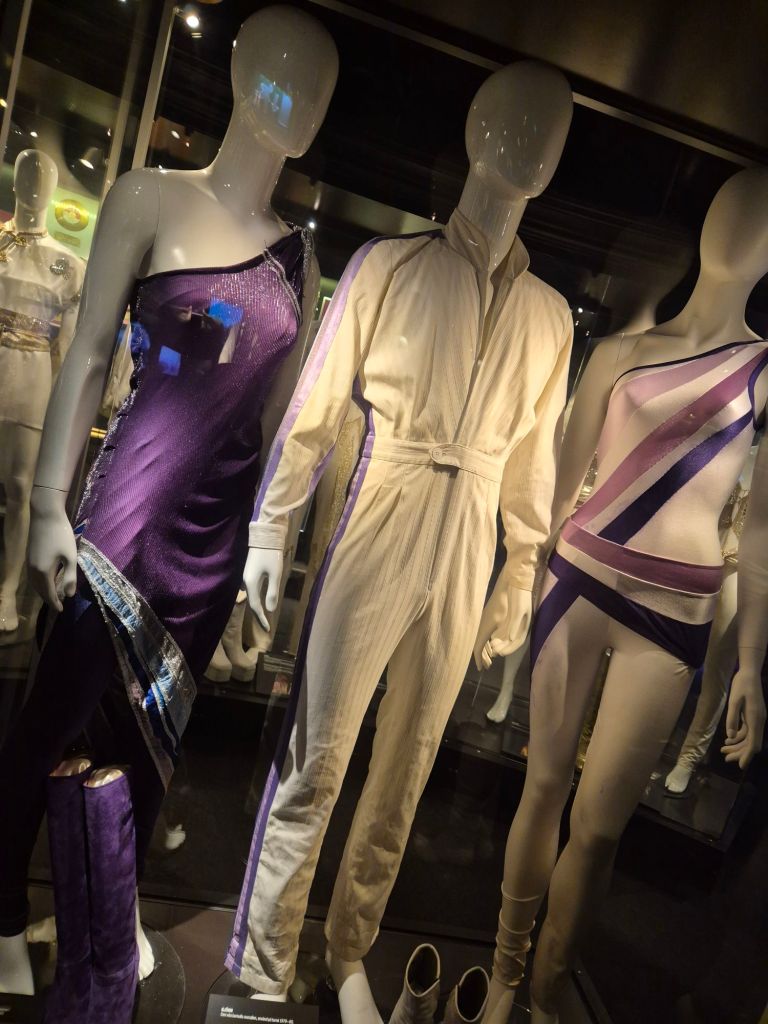
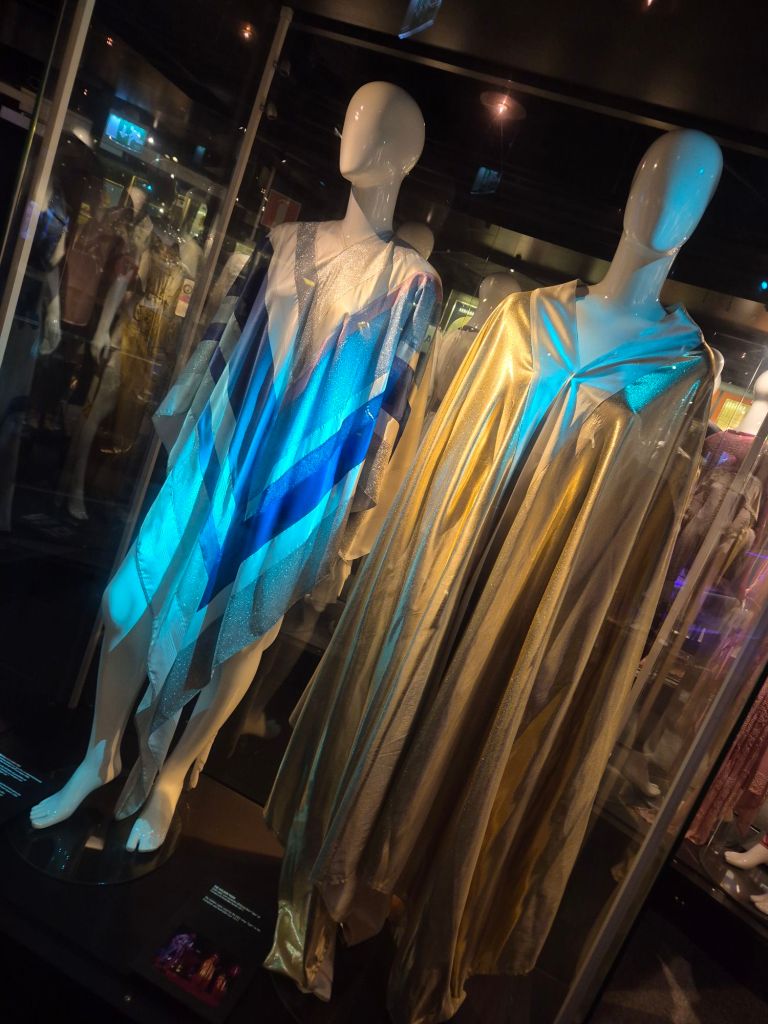
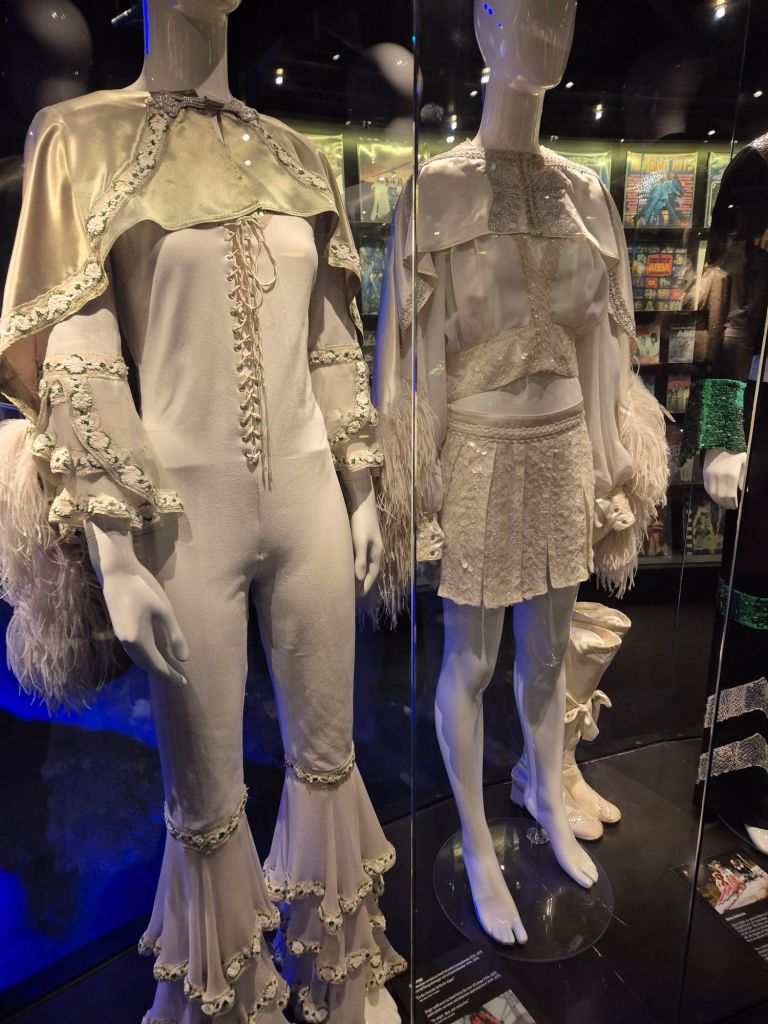
There were also interactive displays such as a Dancing Queen routine class, opportunities to audition to be the 5th member – my entry is still under review and performing on a stage with holograms.
It was a fun and musical couple of hours. Even if your don’t LOVE their music, it is so known and familiar!
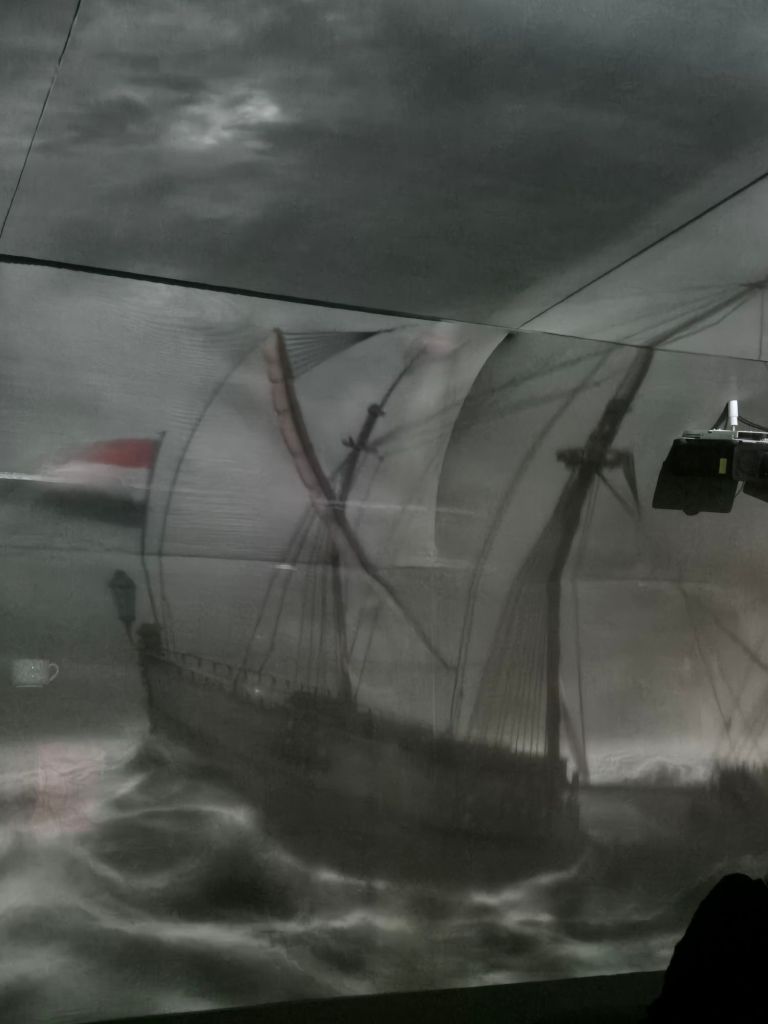
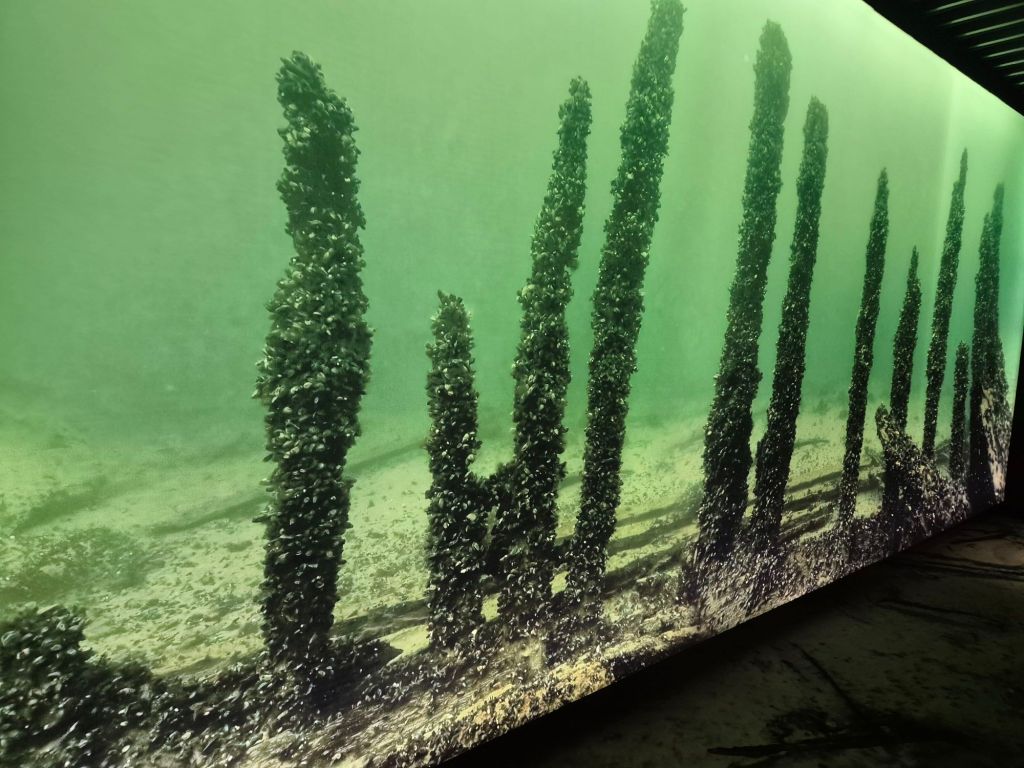
Our next stop was the Museum of Wrecks. As the title suggests this looked at shipwrecks in the Baltic Sea from ancient Viking burials on an island off Estonia to a passenger ferry sinking 20-odd years ago. There were, again, some great interactive and multimedia exhibits.
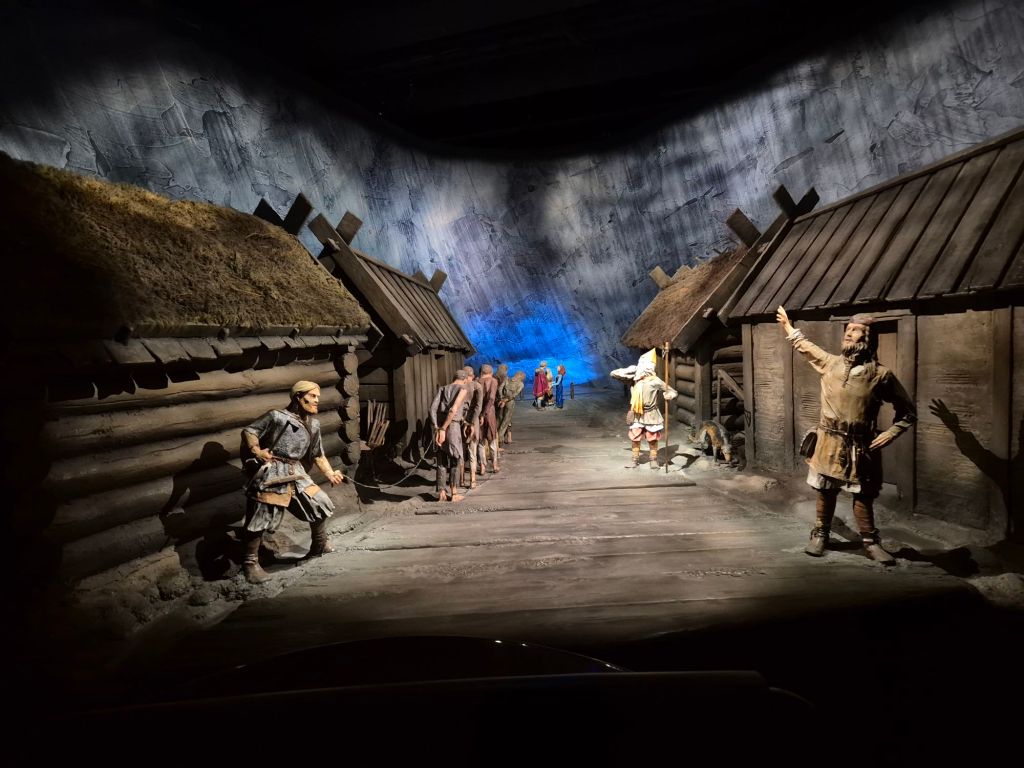
We then popped into the Viking History Museum. A smallish, but interesting museum that ends with a “ride”, a bit like a ghost train, but instead tells a story about a man who was sent in search of riches by his wife who would leave him if he didn’t return in 2 summers with 3 barrels of silver. He got the silver, was robbed twice, fought for a king to earn more, but it didn’t pay much, but then on his way home, he hit the motherlode and returned wealthy. His wife stayed.
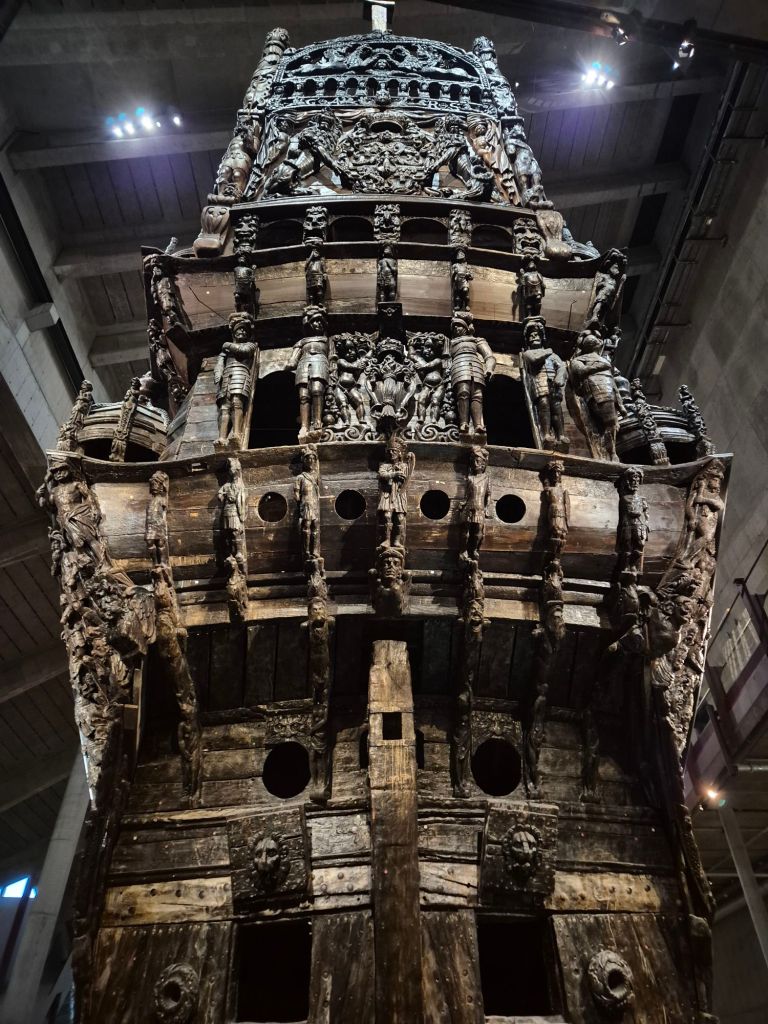
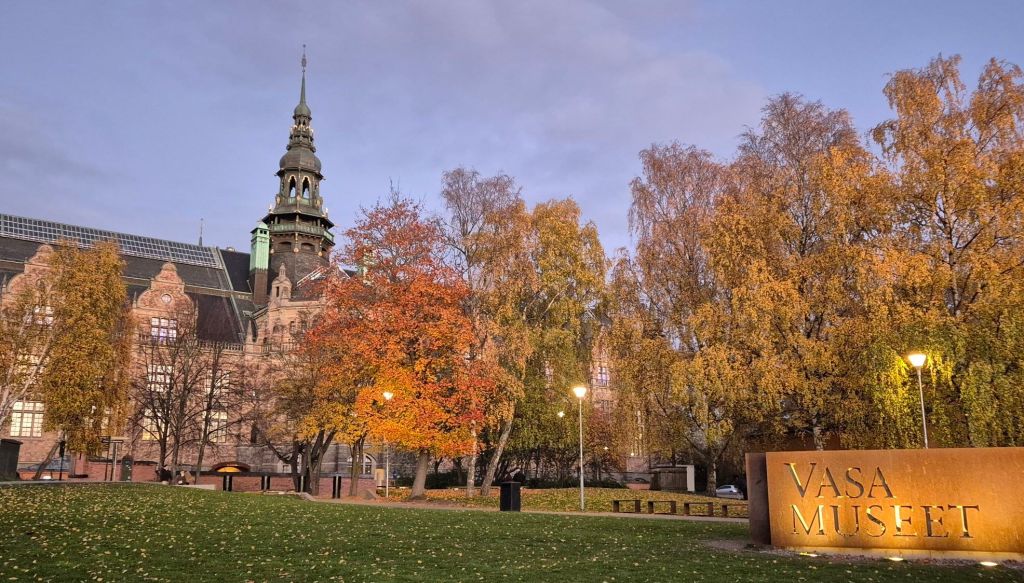
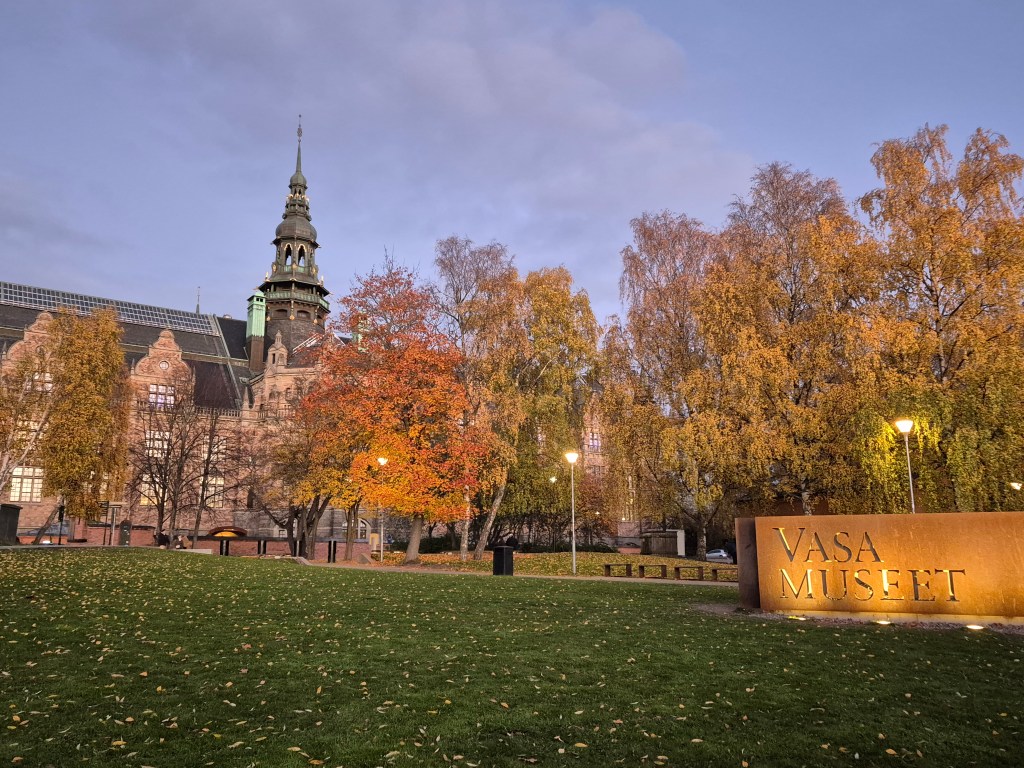
Our final museum was the Vasa Museum. This museum houses a 98% original ship that was built in the 1600s, and sank 25 minutes after launch in 1668. It was lost for nearly 300 years when someone worked out it’s resting place.
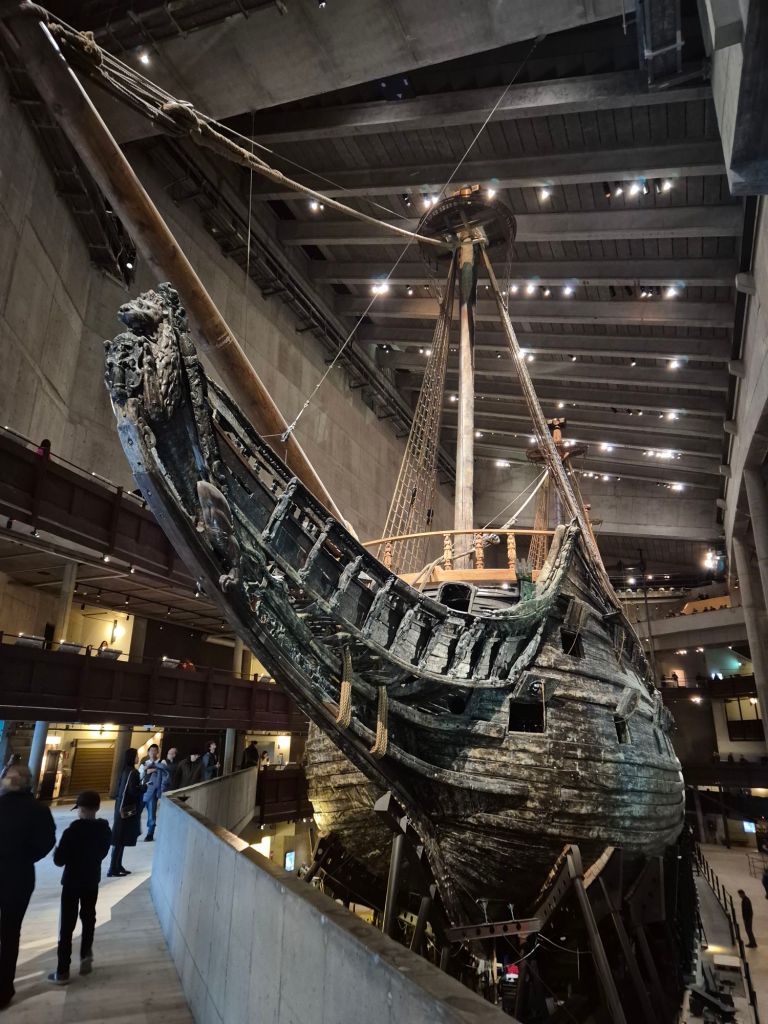
It was then carefully raised, restored (using the pieces found on the sea floor) and preserved. The cold water and low salinity is believed to have caused the shop to not rot as it would have in different water.
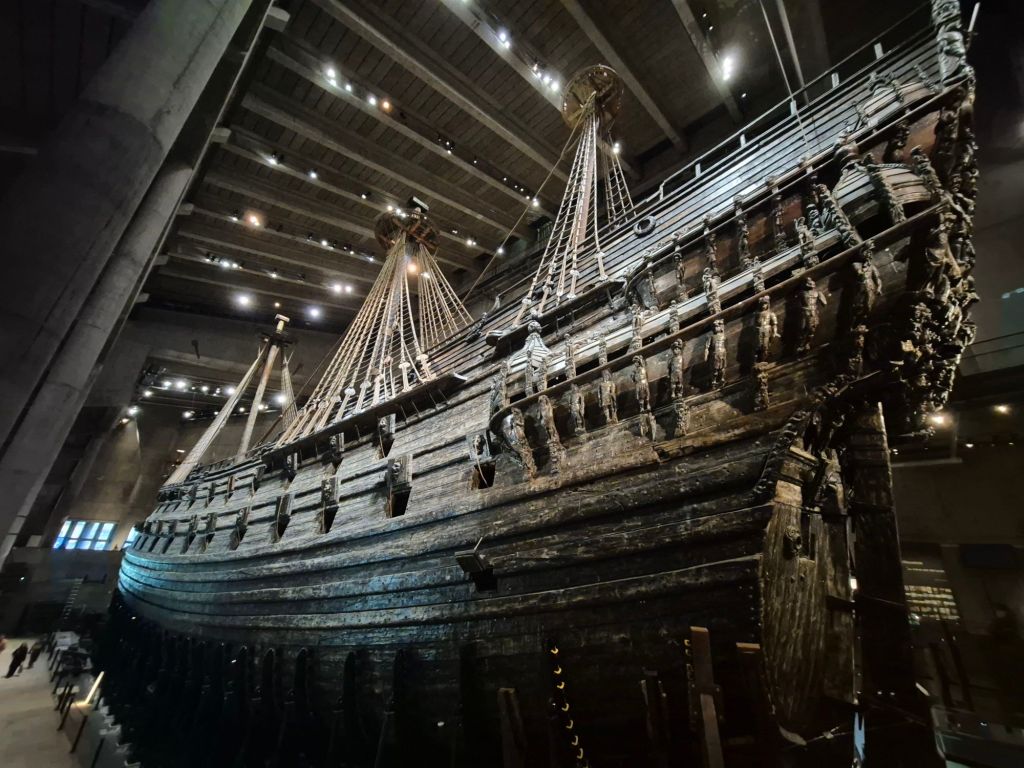
It is HUGE. About 4 storeys tall, with so much ornamental detail, though the restoration has not restored the painted surfaces.
We then joined commuters on our way back to our accommodation.
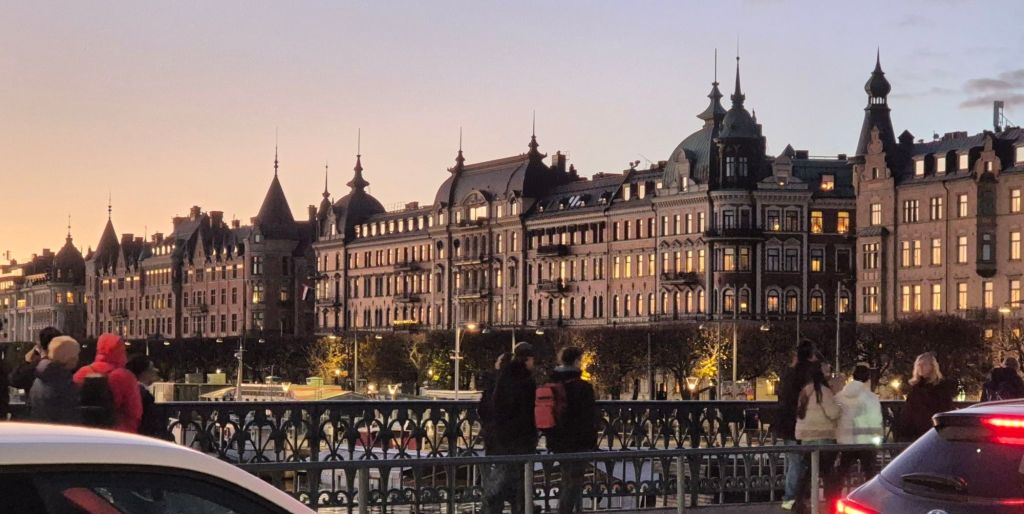
Today we headed to the Stockholm Royal Palace.
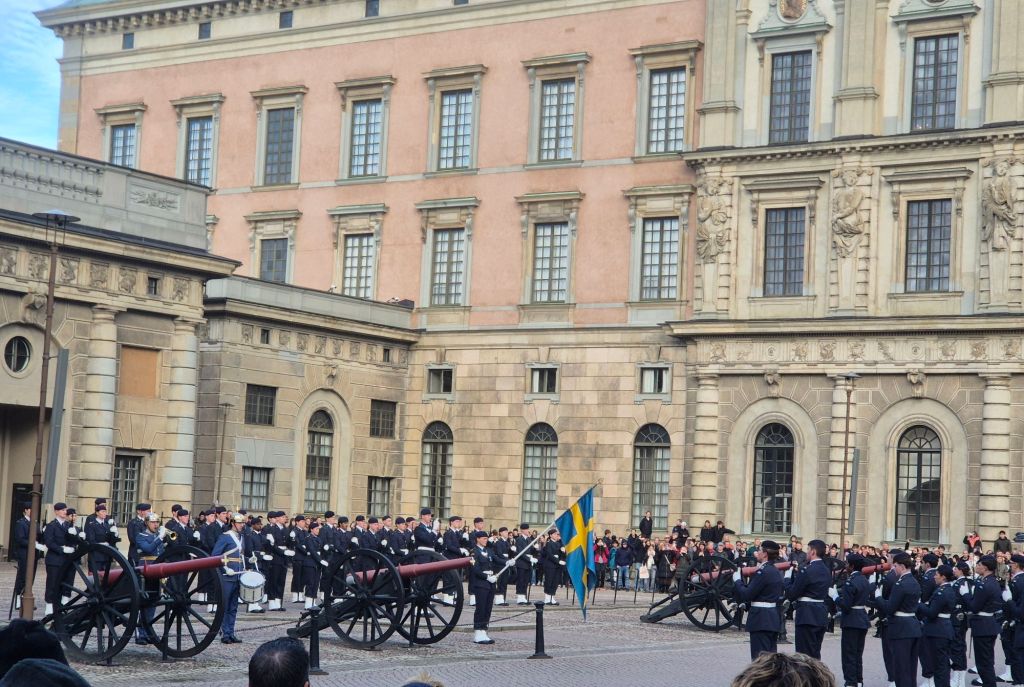
We arrived just as the Changing of the Guard, which we’d had no idea about, was starting. So we stood in the crowd and watched that.
We then headed into the palace, first looking at the ‘Apartments of the Orders of Chivalry’ where a collection of royal orders were displayed.
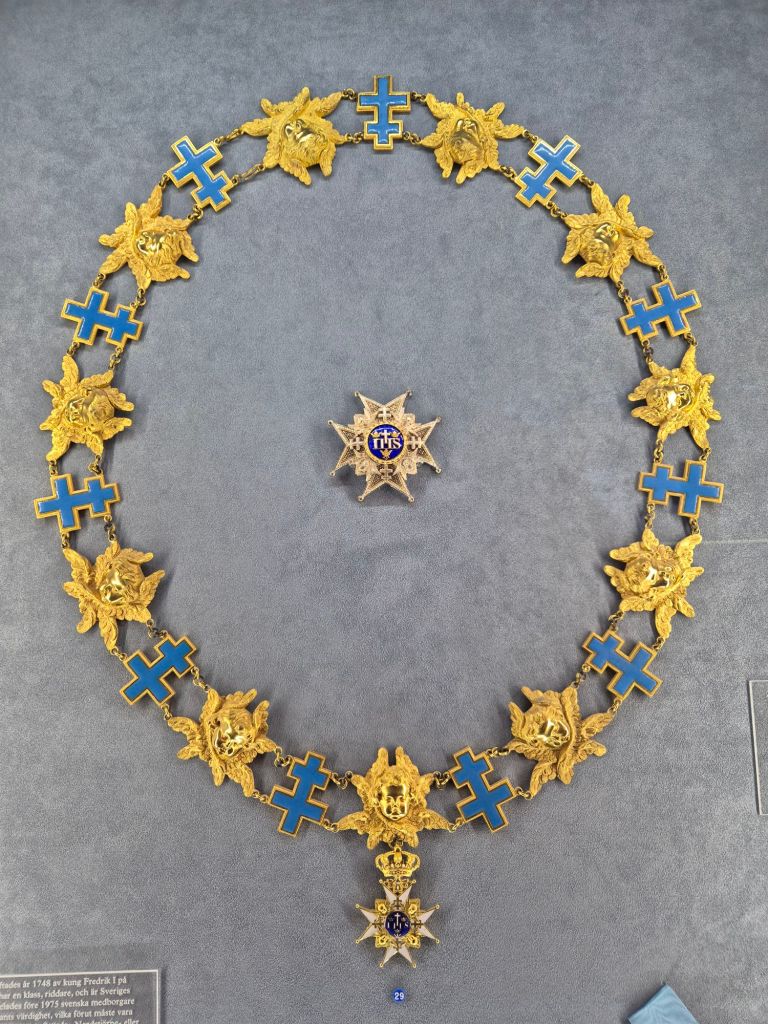
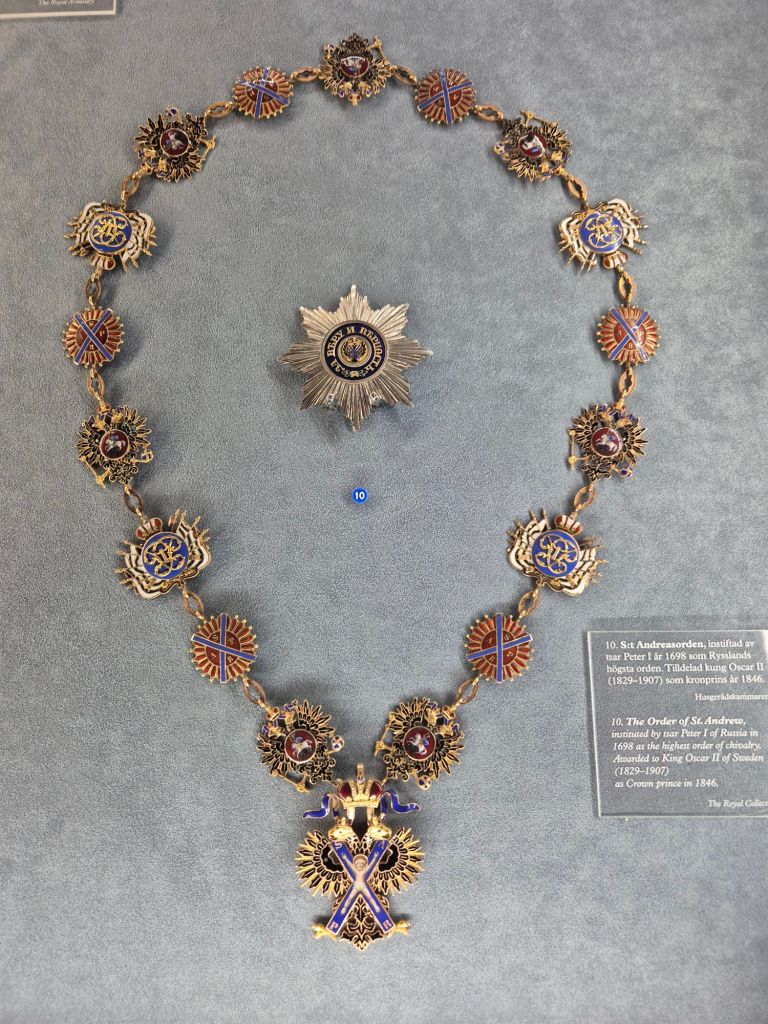
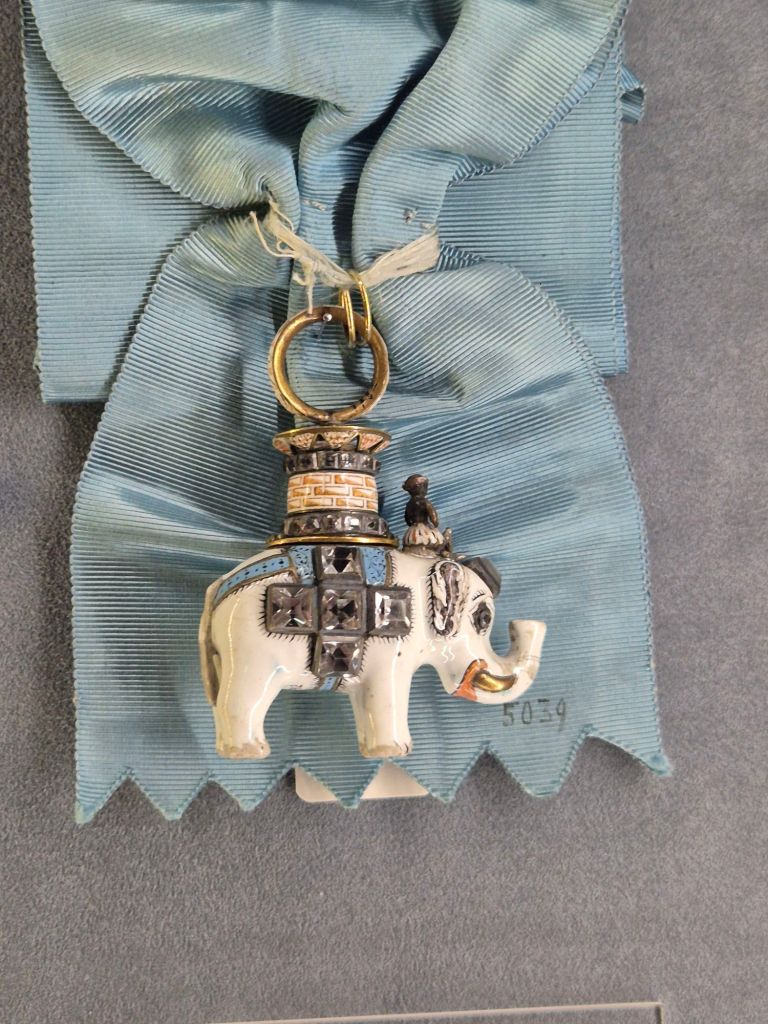
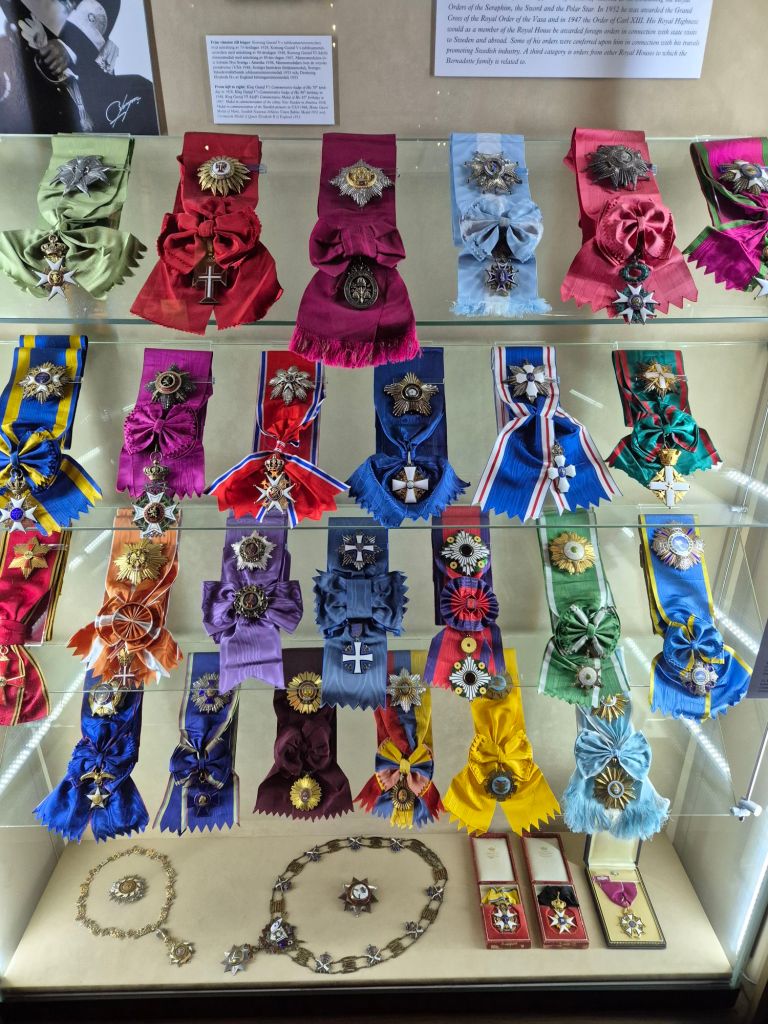
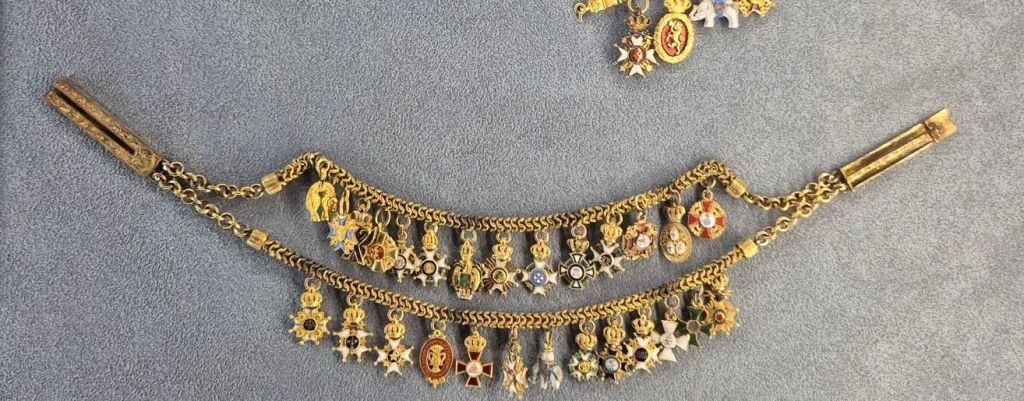
The final room was the ‘Hall of the airier of the Seraphin’ where we saw a silver throne that is about 500 years old.
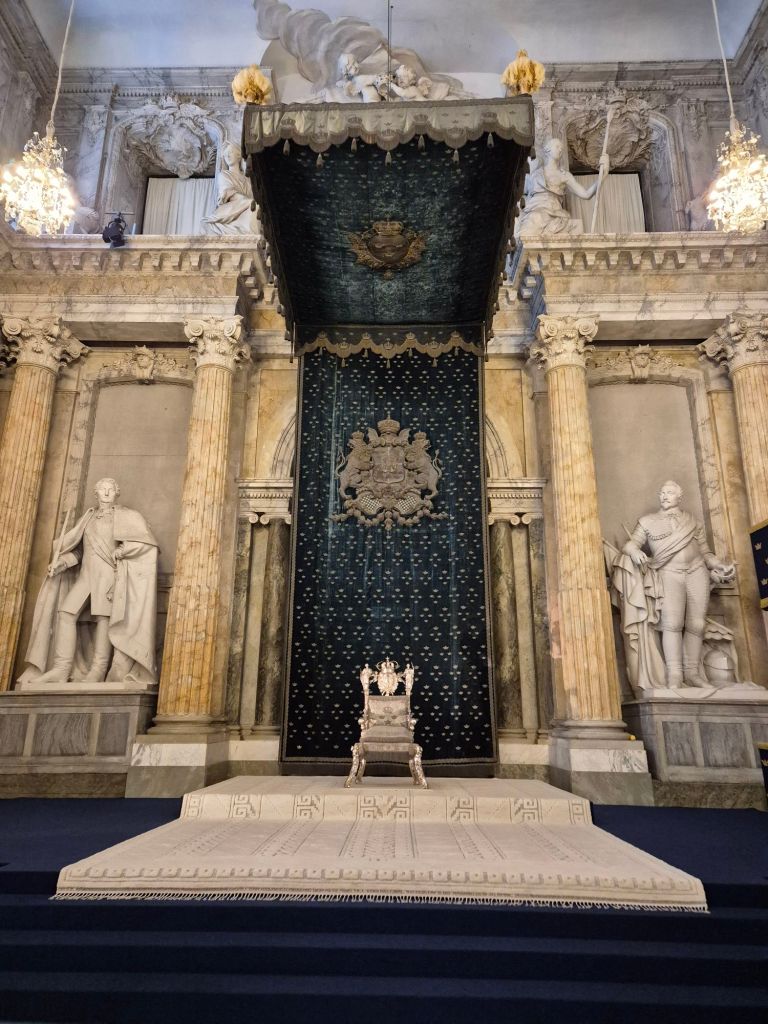
We then toured through the Bernadotte and State Apartments that are used mostly for functions, ceremonies and meetings;
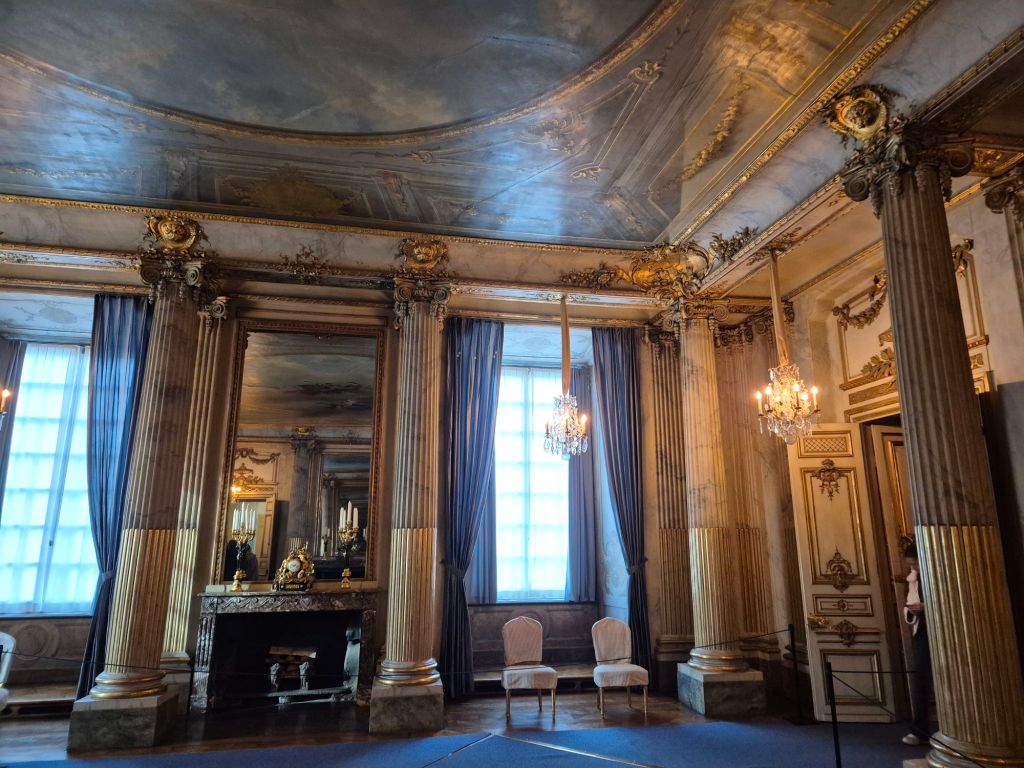
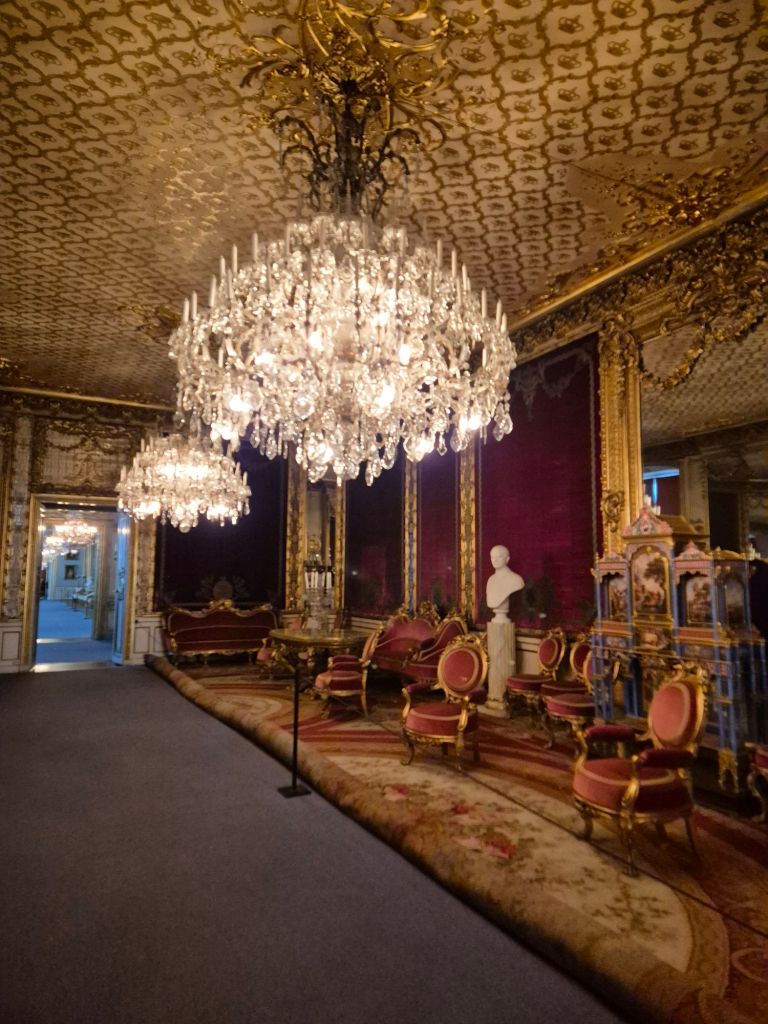
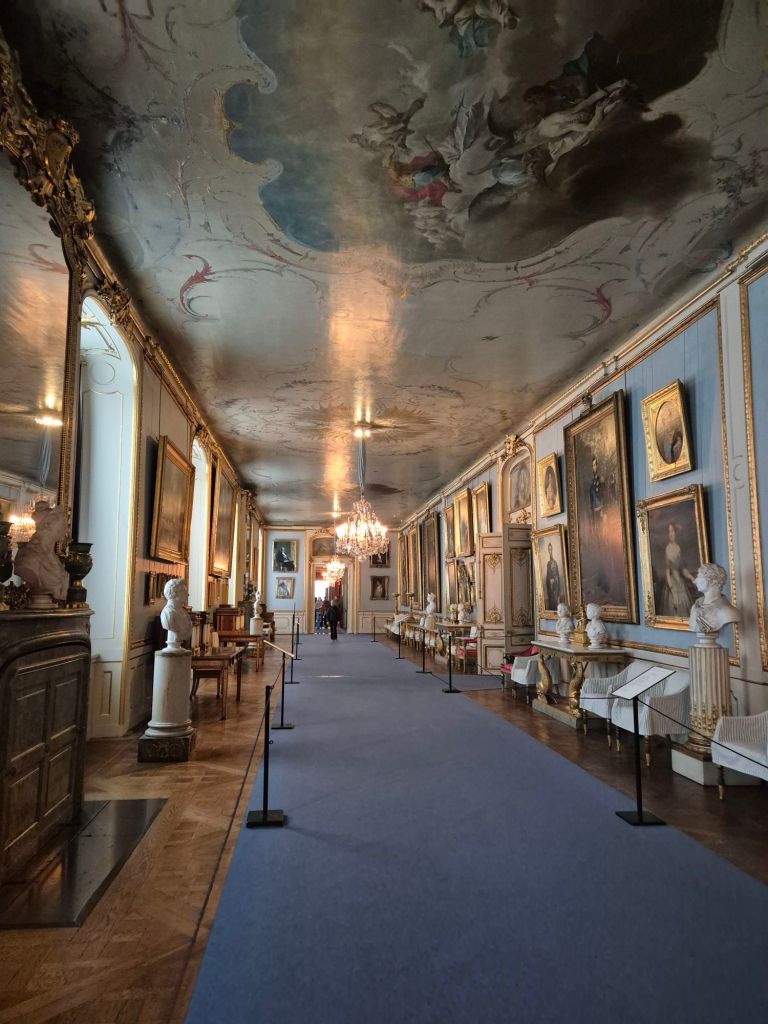
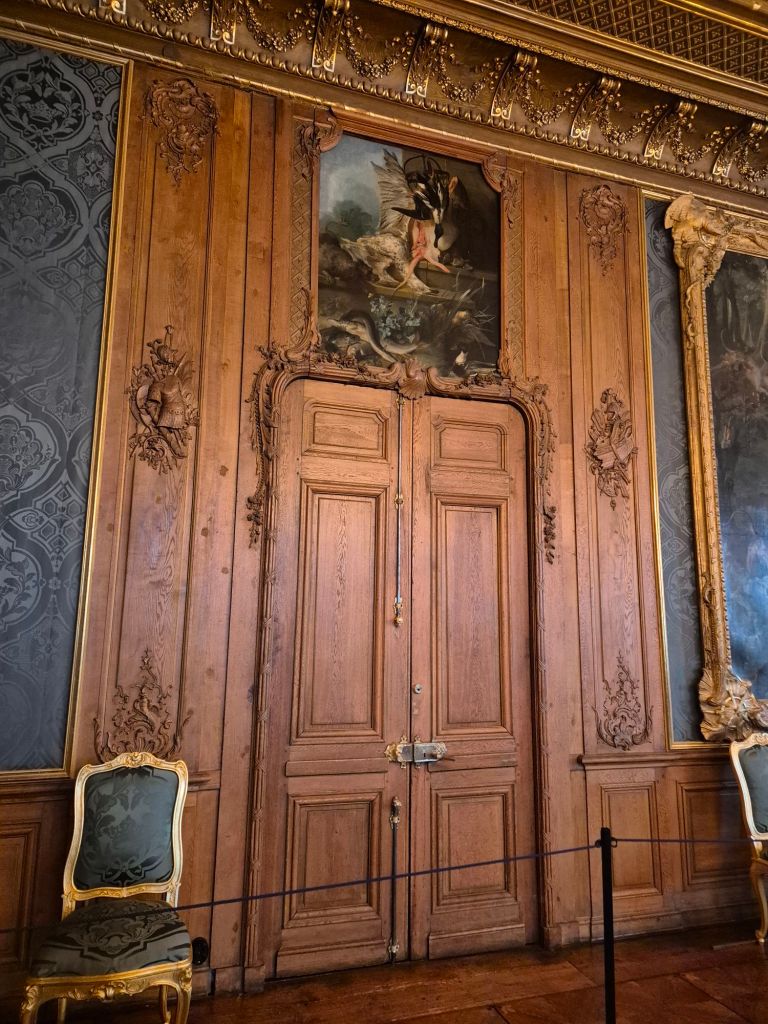
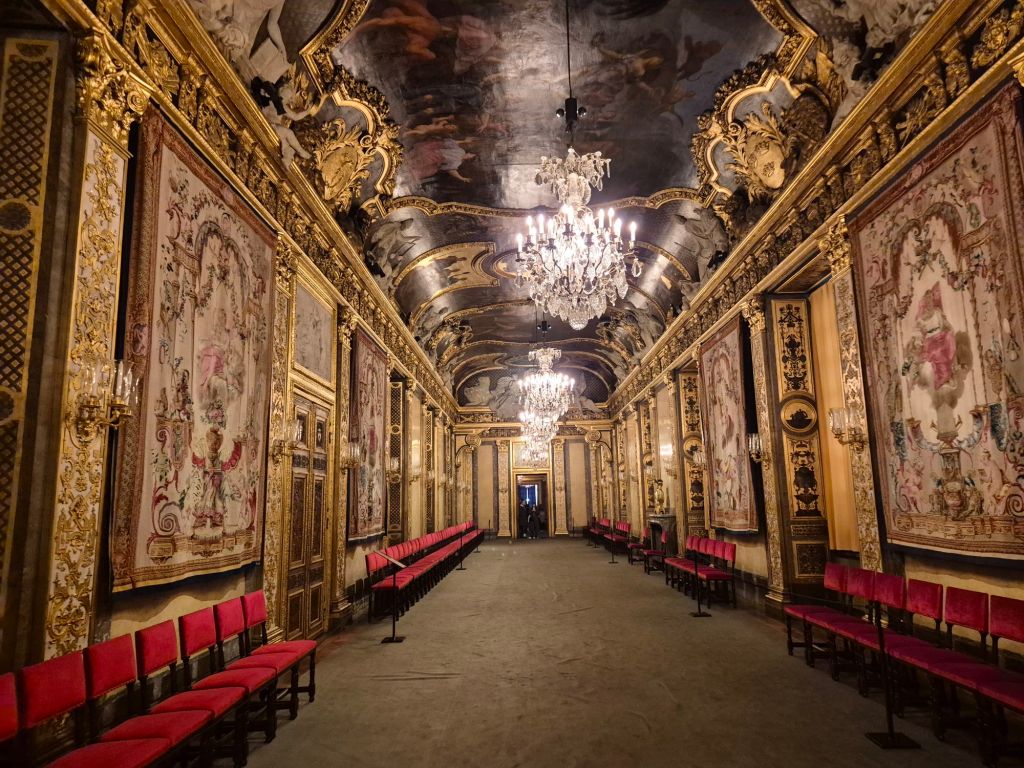
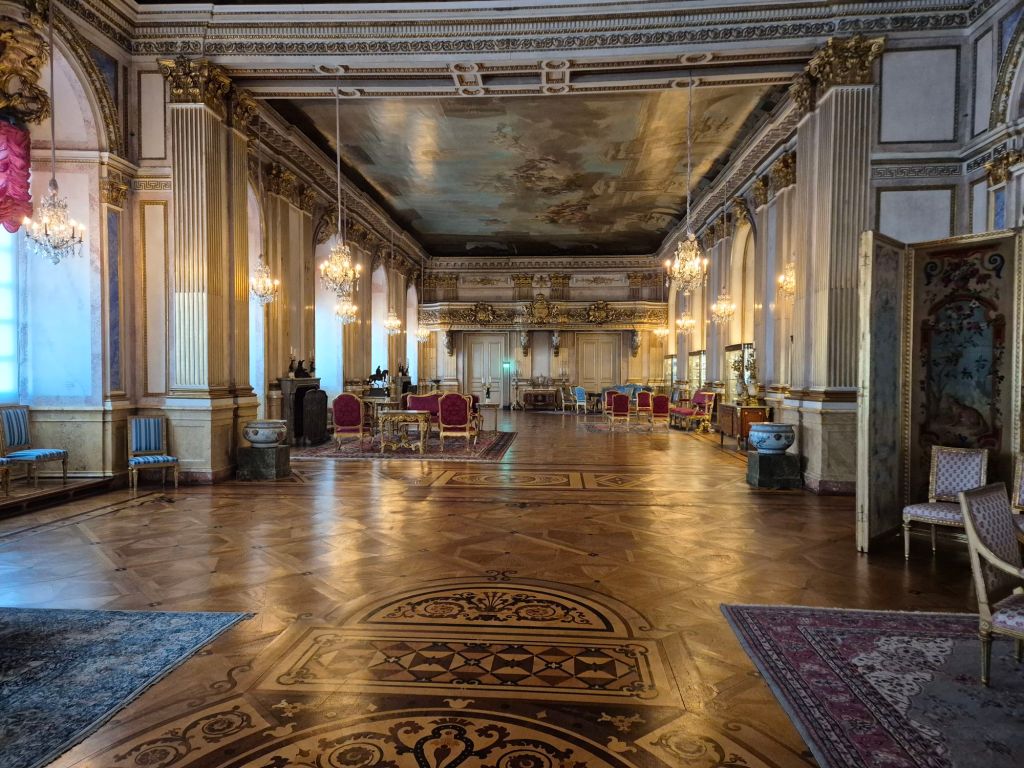
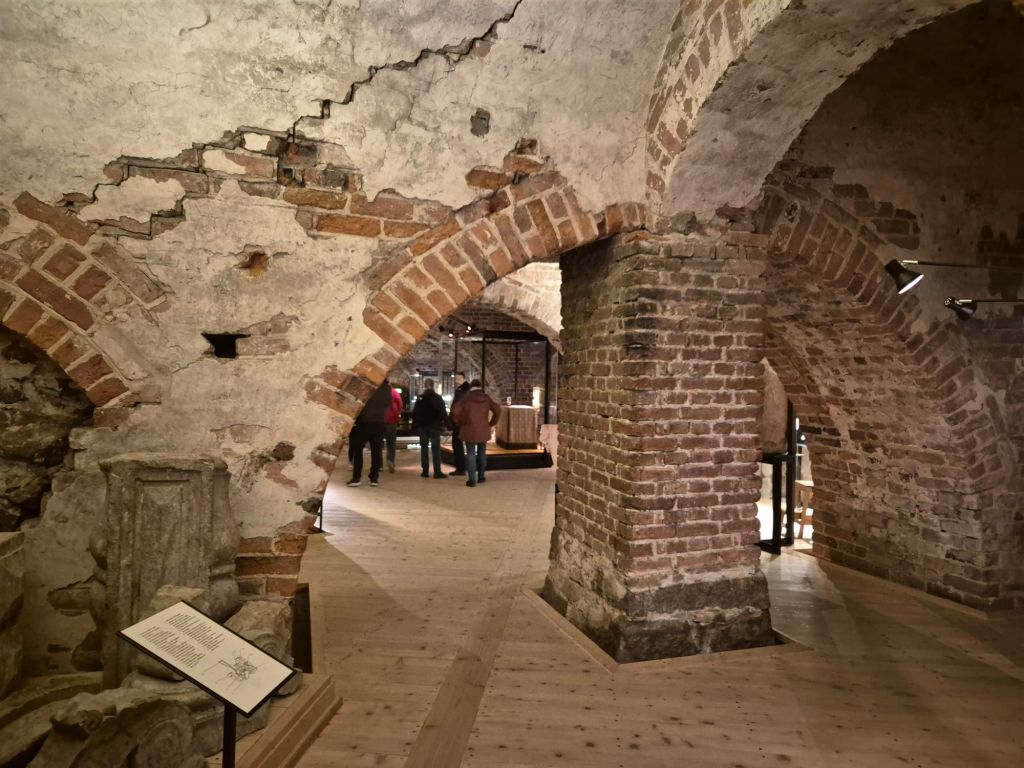
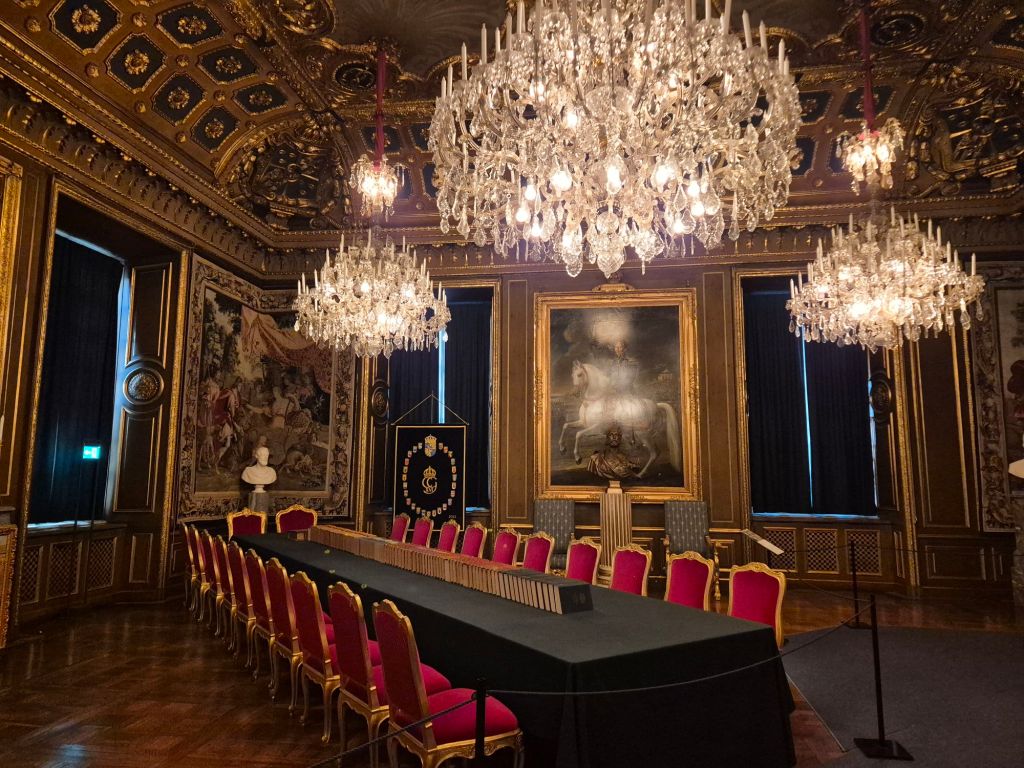
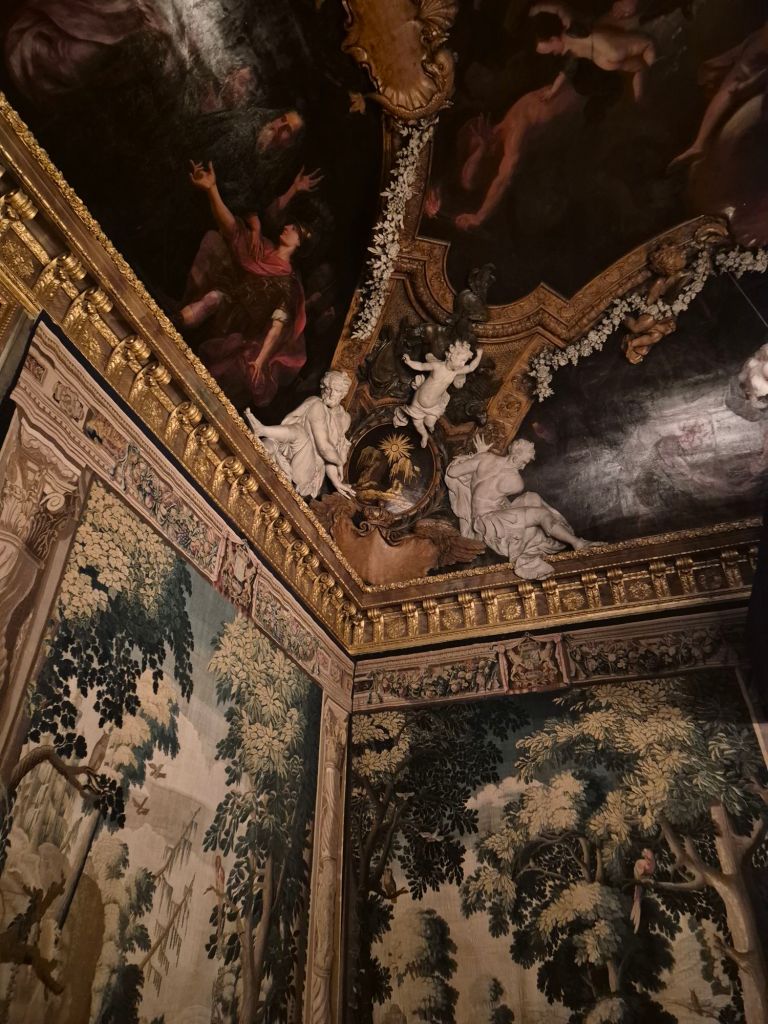
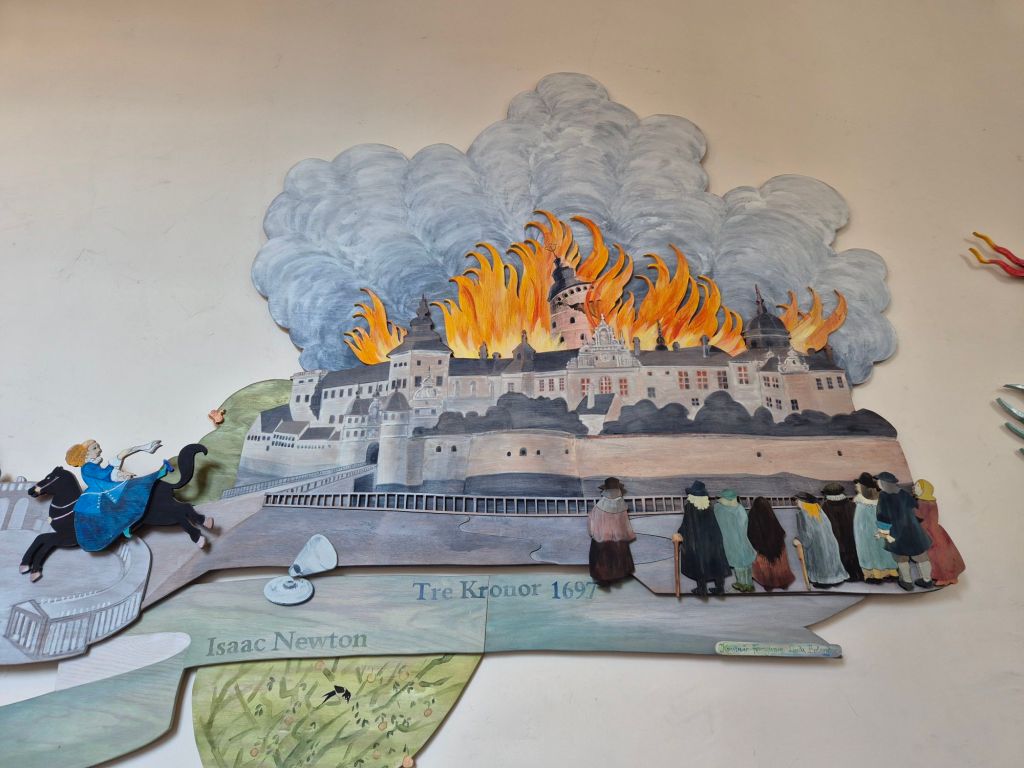
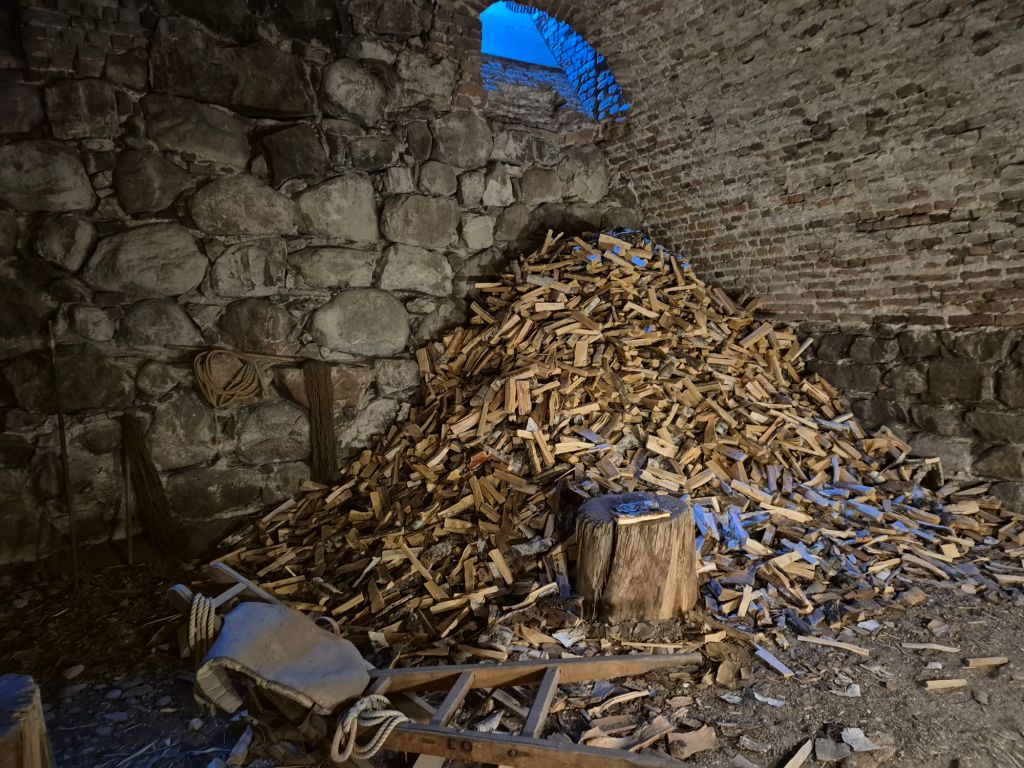
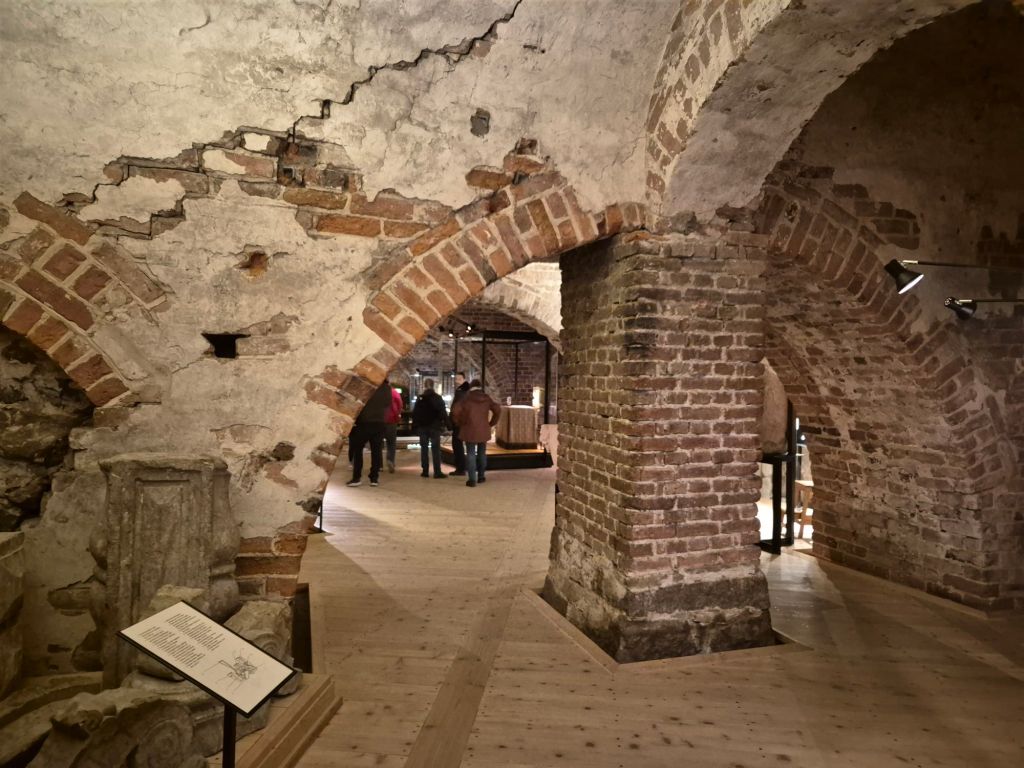
then the Three Crowns Museum, located in the palace cellars, which focussed on the history of the palace itself, mostly after the fire of 1697 that destroyed the medieval castle.
Our last stop was the Treasury, where historical crowns, sceptre, orbs and keys are stored. Sadly no currently used crowns, coronets, tiaras or jewellery were displayed.
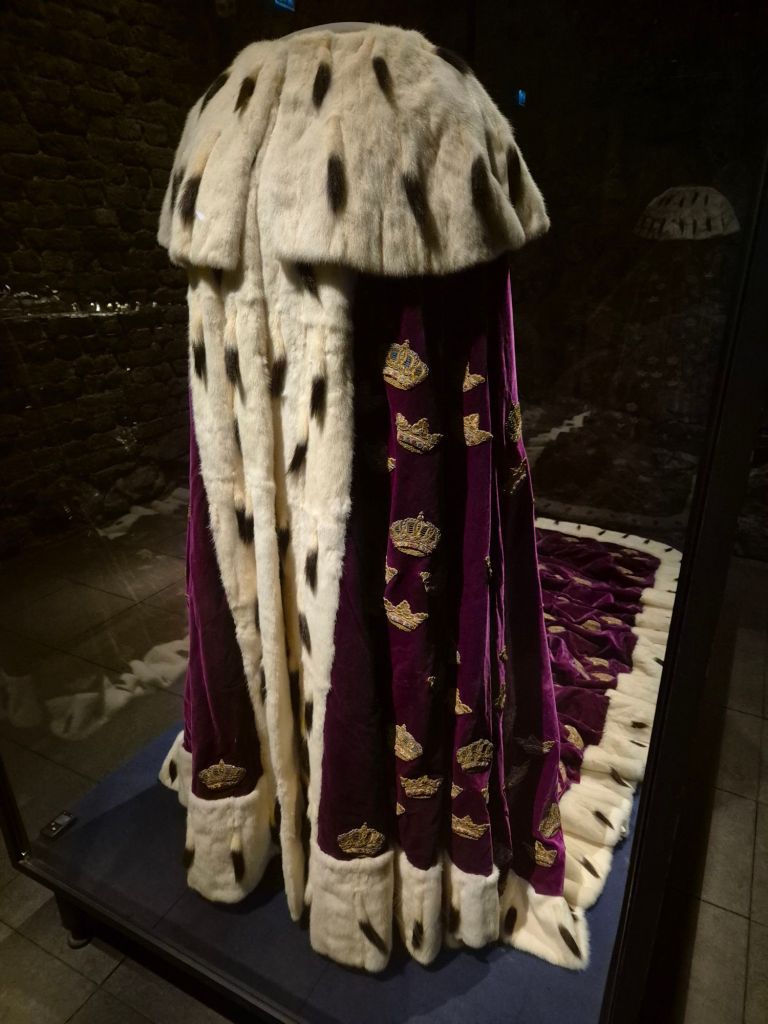
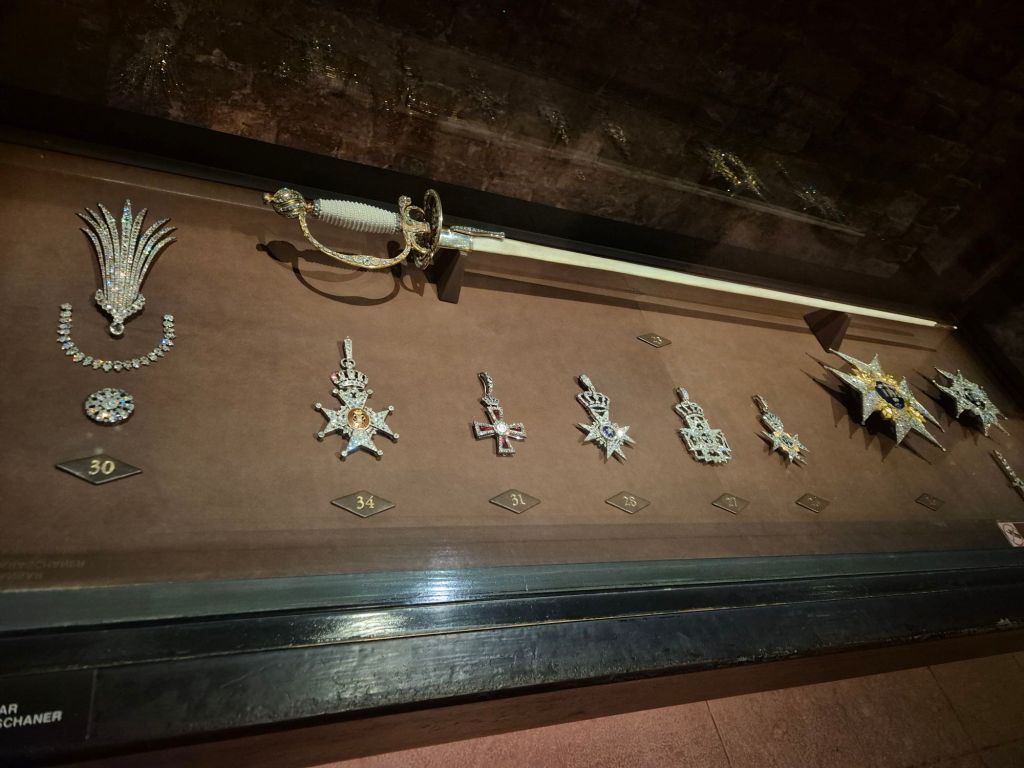
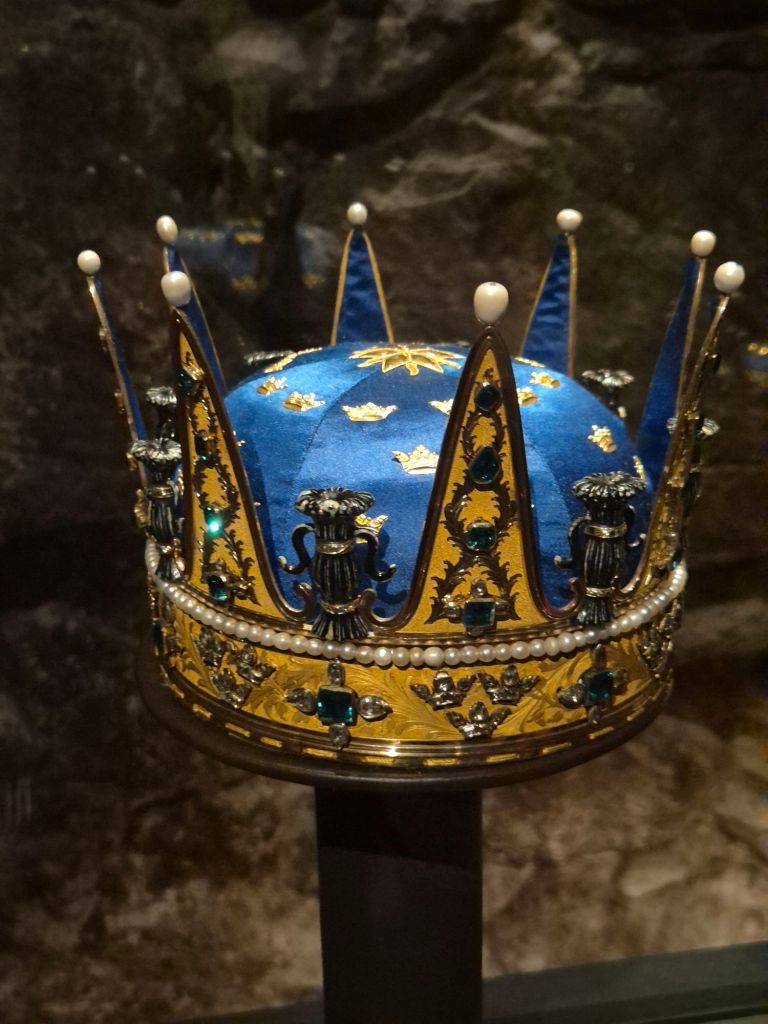
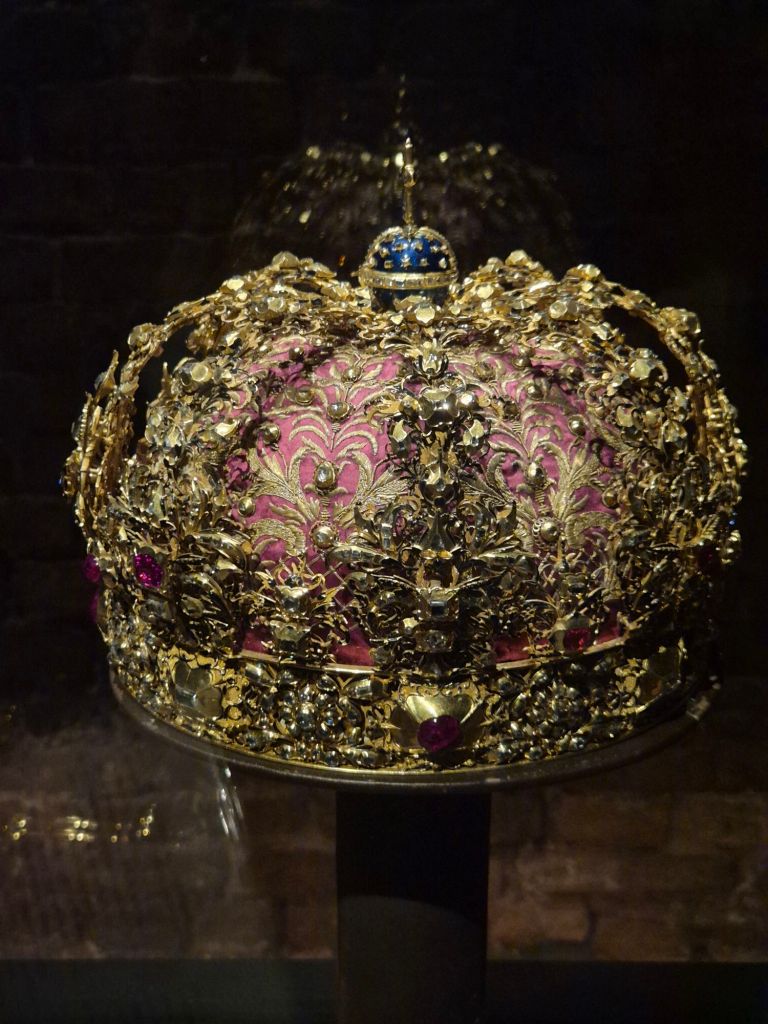
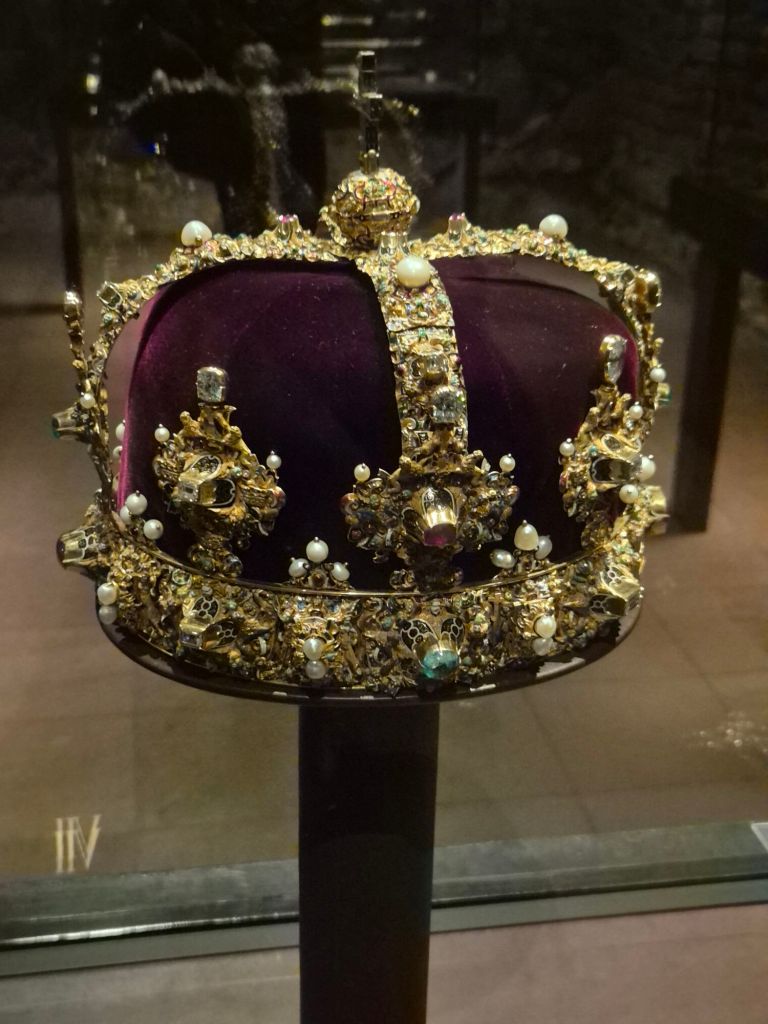
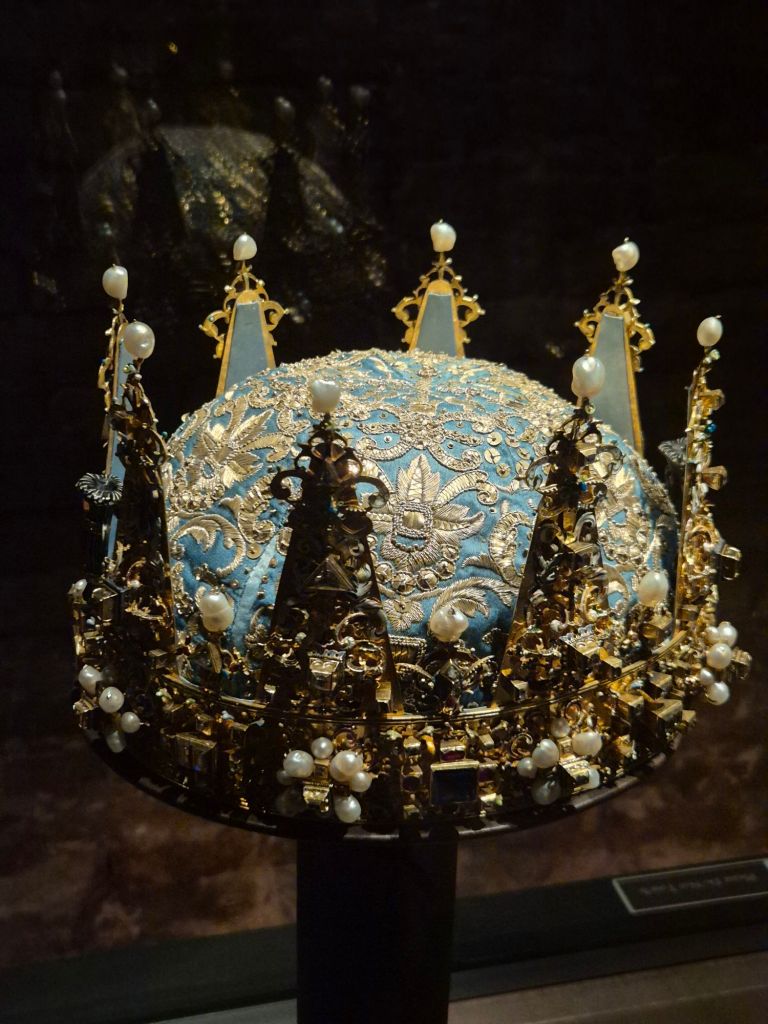
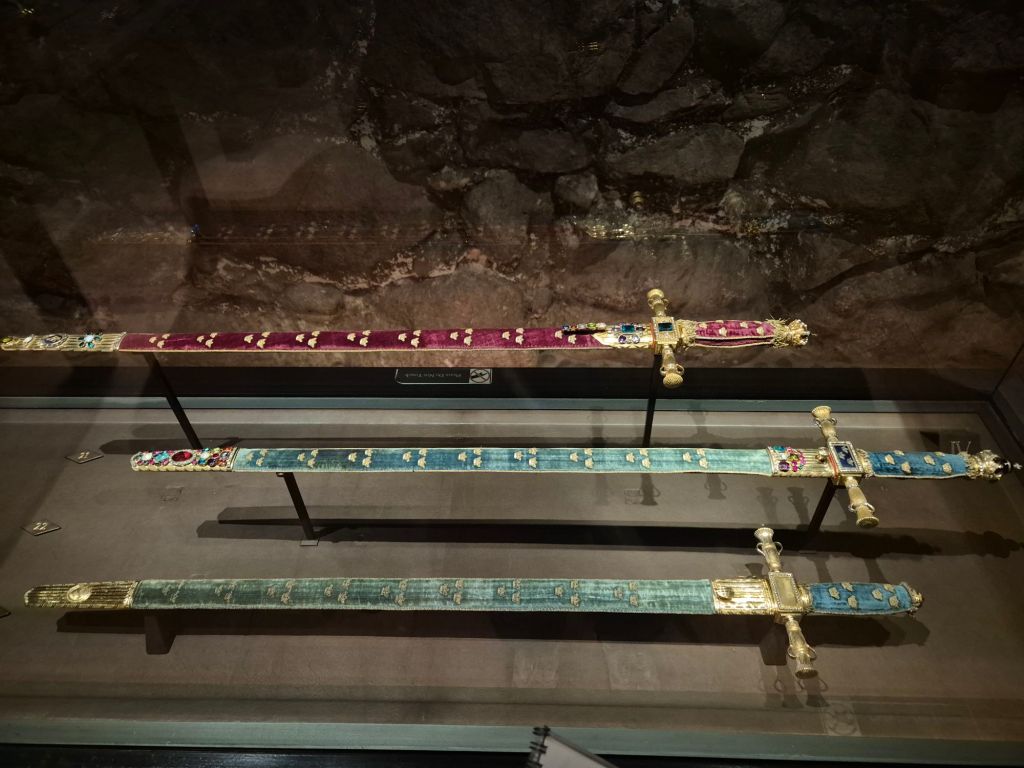
A short walk from the palace was the Dala Horse Museum. These traditional, handmade, wooden horses have a long history in Sweden. Initially as just a carved piece of wood, then being painted from the early 1900s.
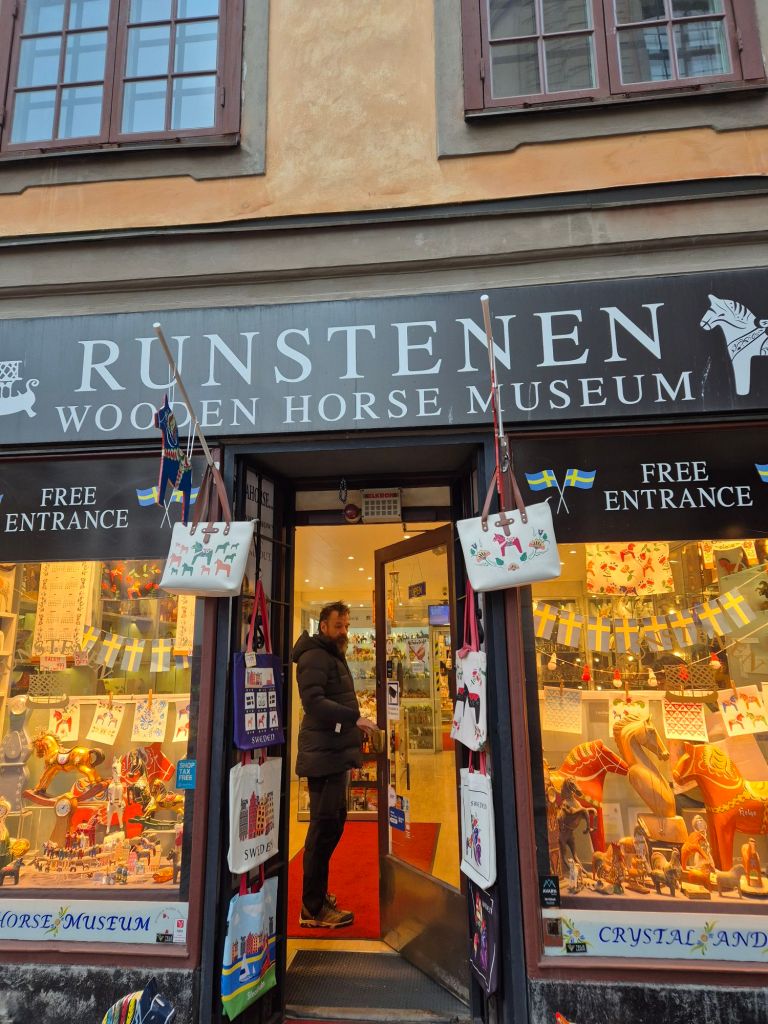
From here we went for an early dinner at Aifur, a viking themed restaurant. Later sittings were already booked out when we tried a few days ago, so although we got the delicious meal, the “entertainment” part of the evening was just starting when we needed to leave.
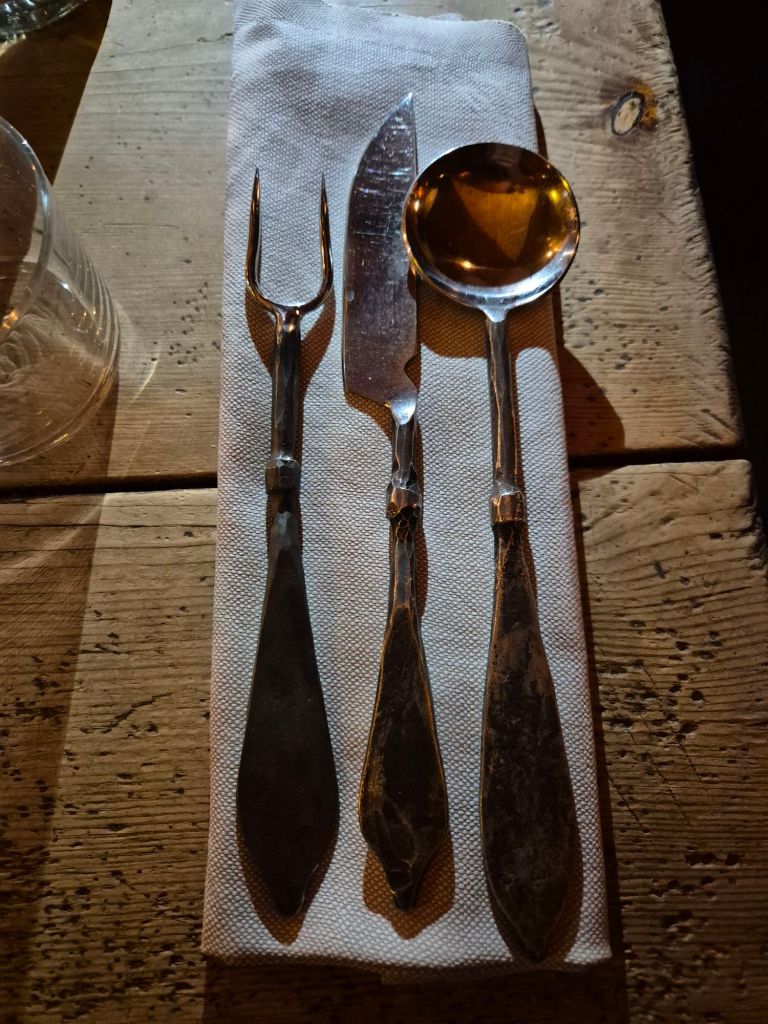
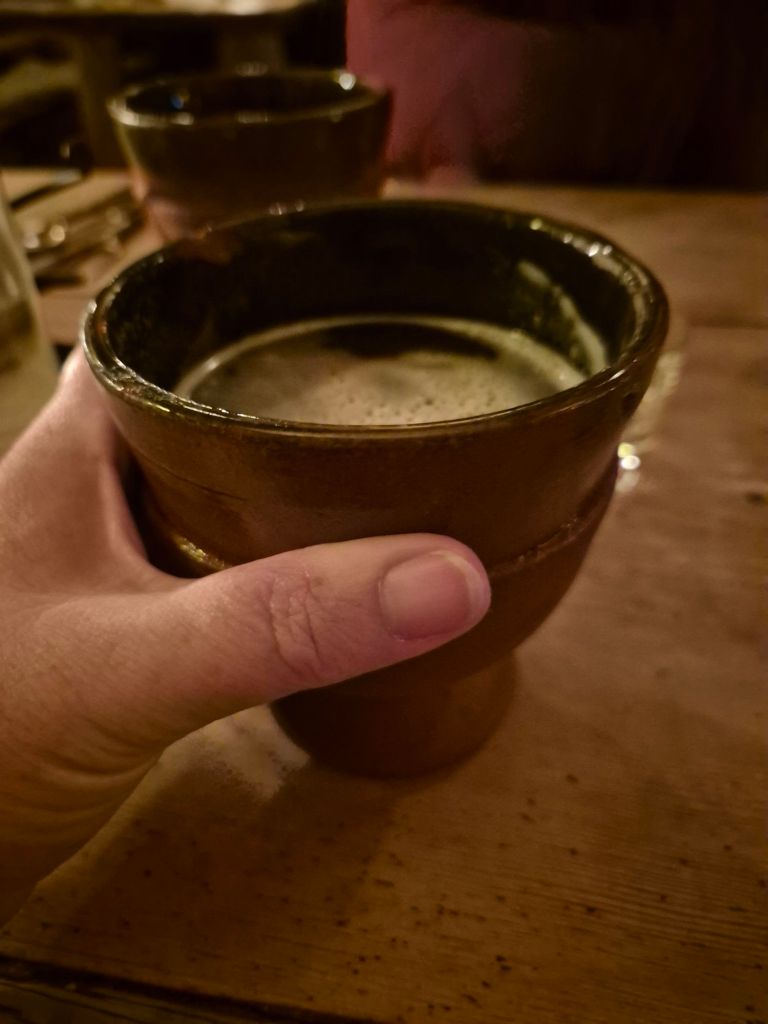
This morning we left Stockholm to start our drive towards Oslo.
We deviated slightly to visit the town of Sigtuna, the oldest town in Sweden. Originally a viking settlement, it was also once, the capital of Sweden. It is a popular place in summer.
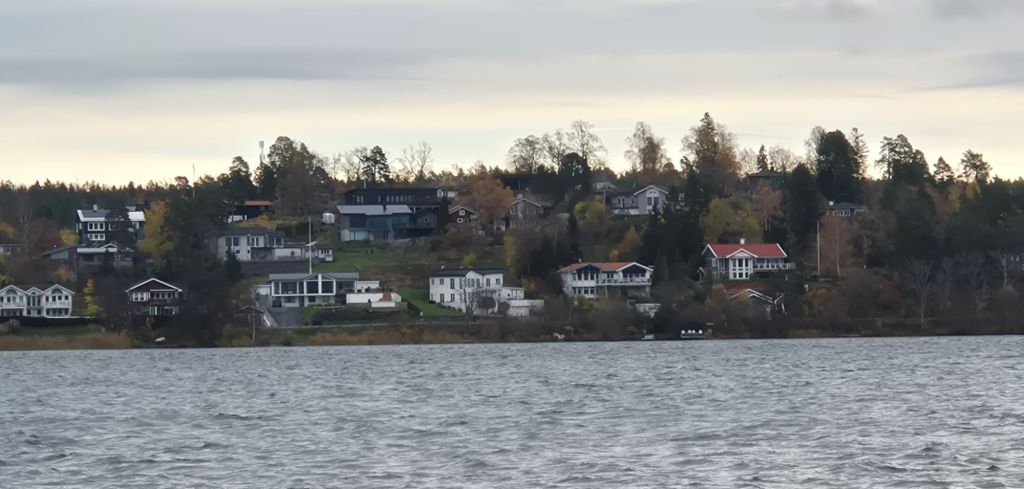
We parked up, rugged up and went for a walk along the edge of the lake.
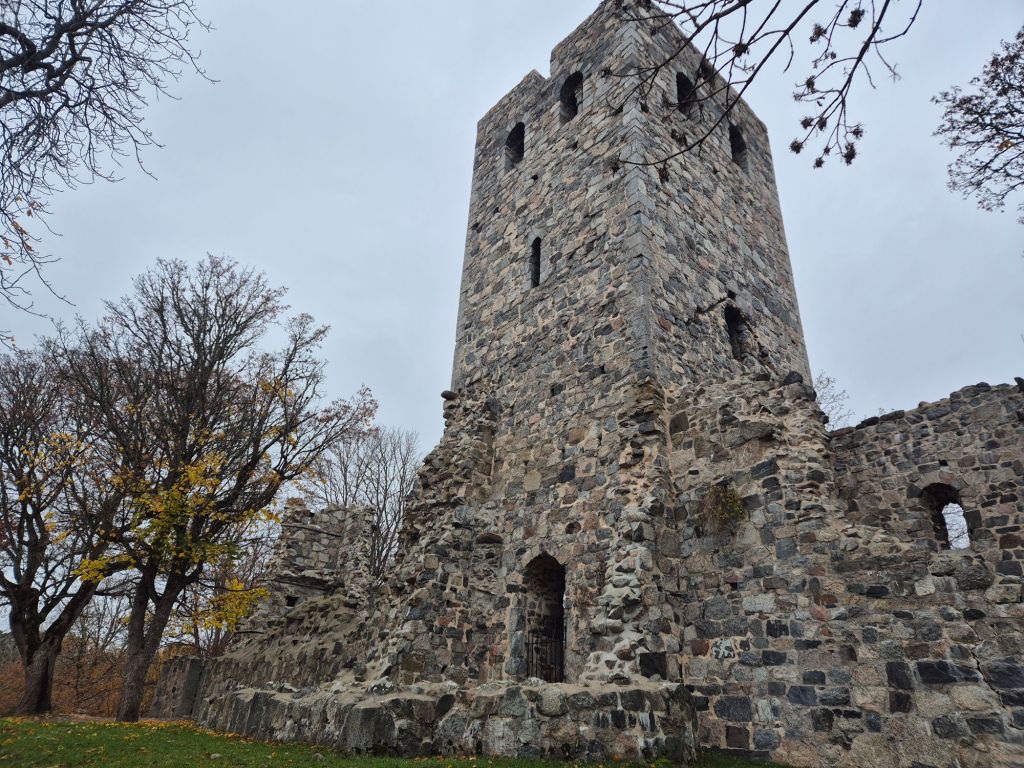
We walked up the hill to the ruins of St.Pers Church, believed to have been built around 1100 by the king.
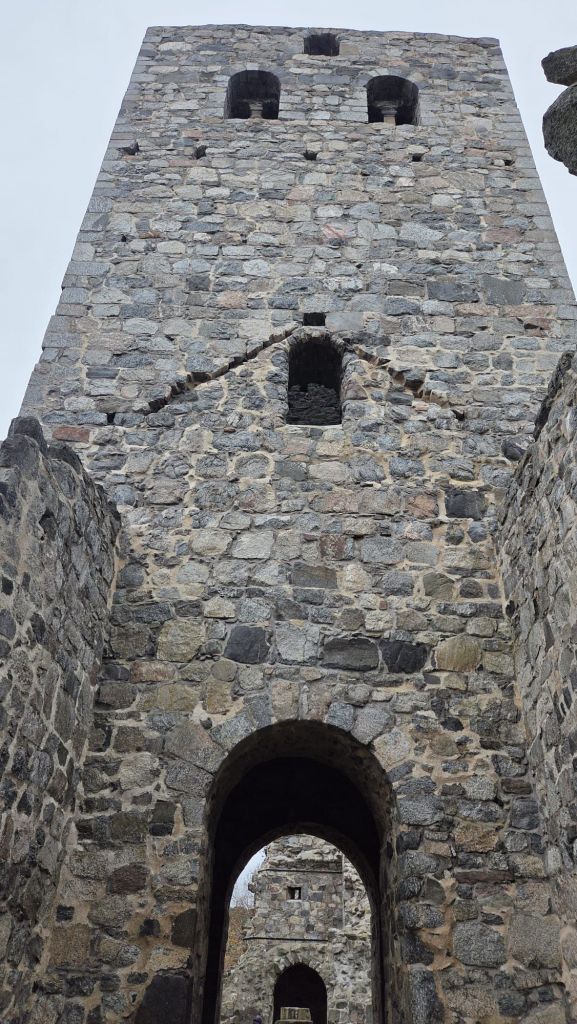
We walked back down the hill and along the original main road of the town, Stora Gatan.
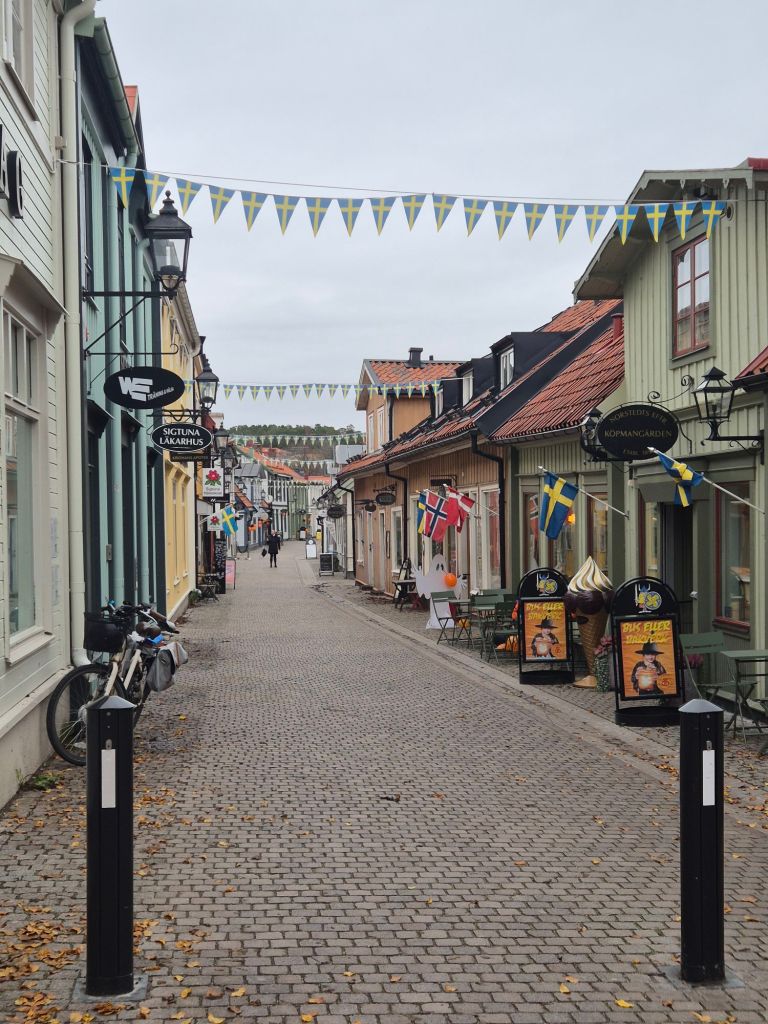
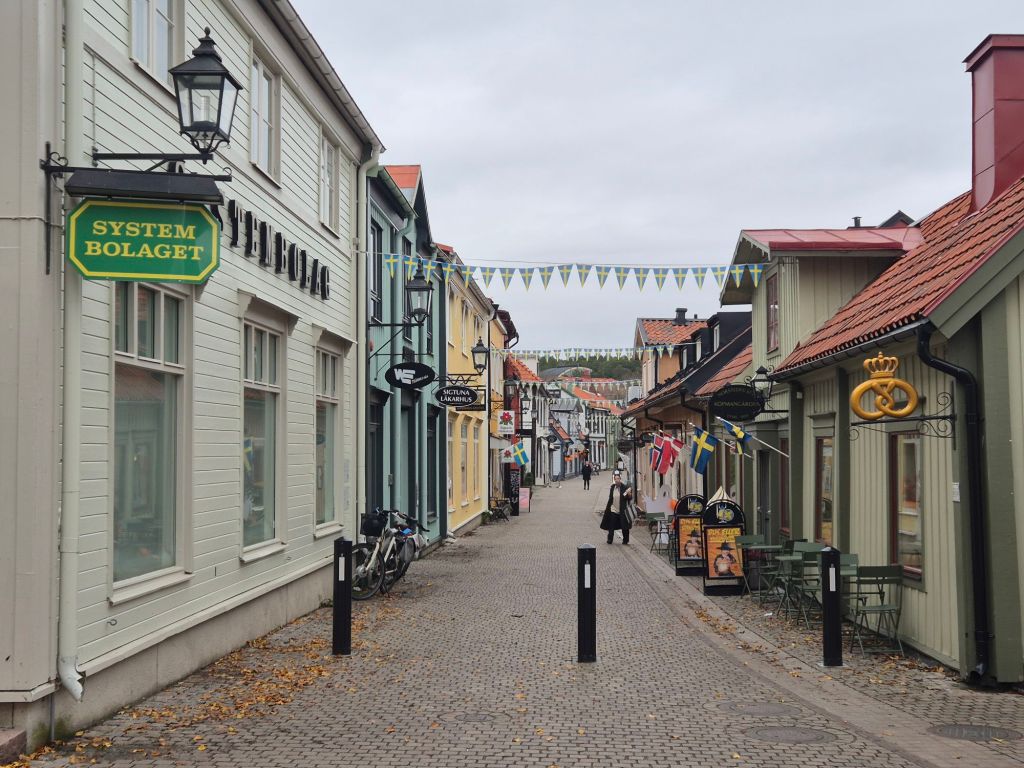
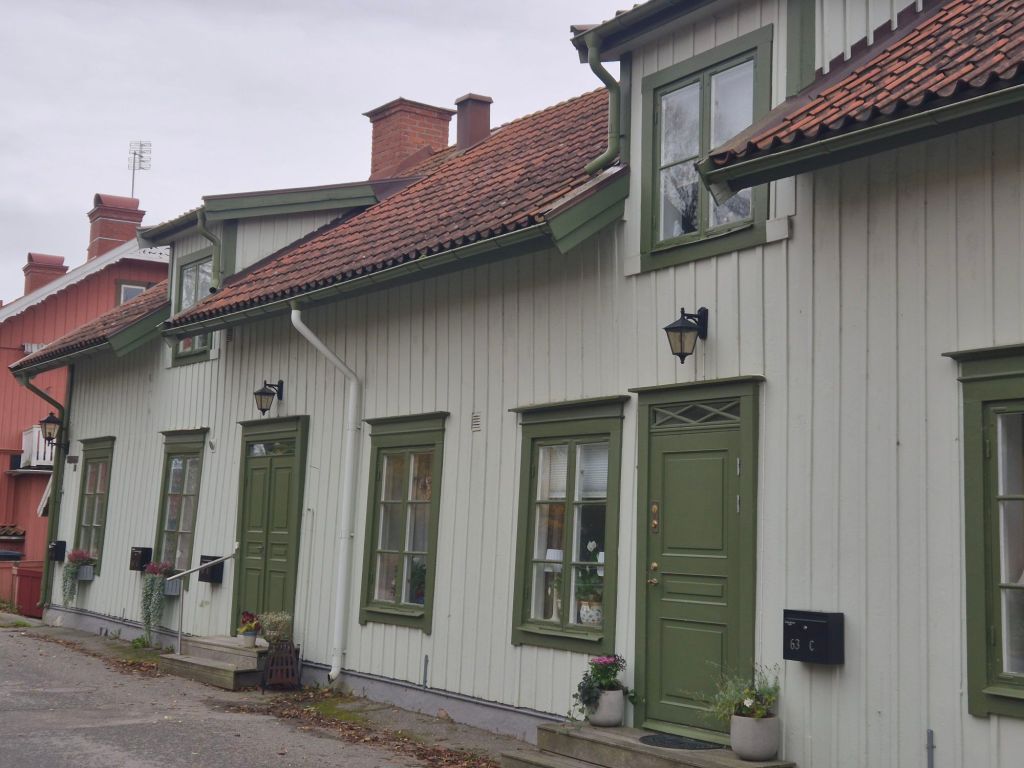
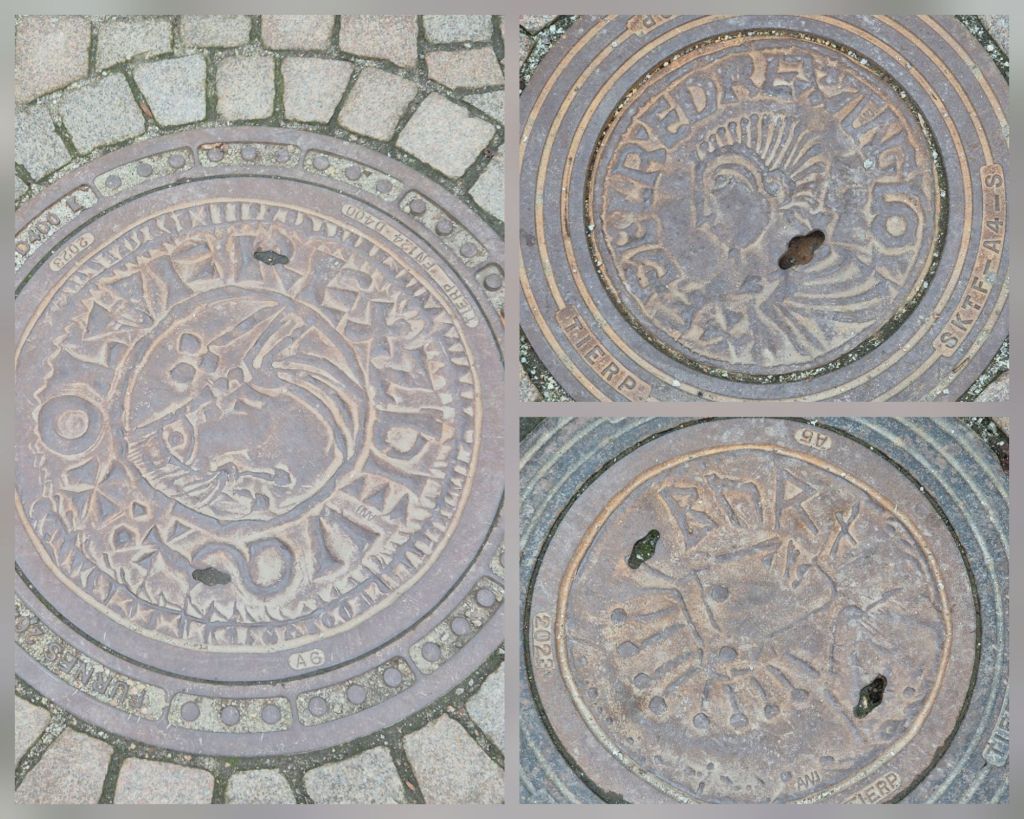
The street has been restored in recent years and is very cute. As part of the restoration they added manhole covers that look like viking coins found in the area.
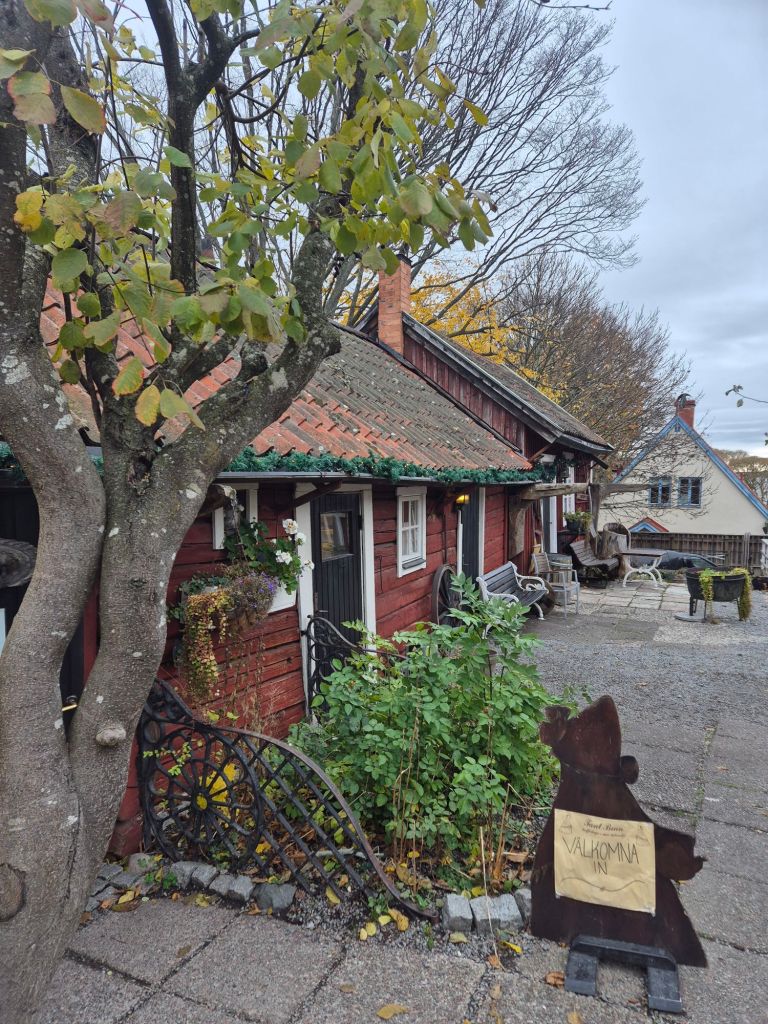
We then stopped for a piece of pie and a hot drink at Tant Brun, a small Cafe in the oldest building in town, it dates from the 1600s.
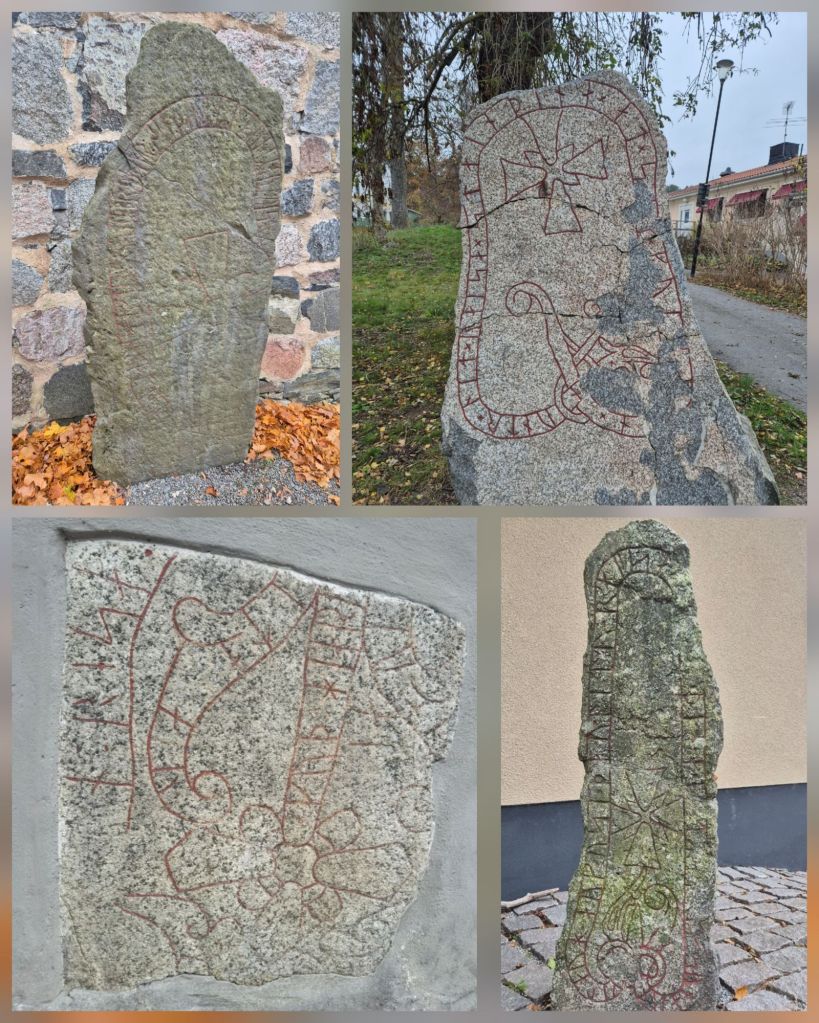
There are about 15 rune stones in the town, the most remaining in a single area of Sweden. Rune stones were used to tell someone’s life story and also tell about the person who made the stone. We found a few of them.
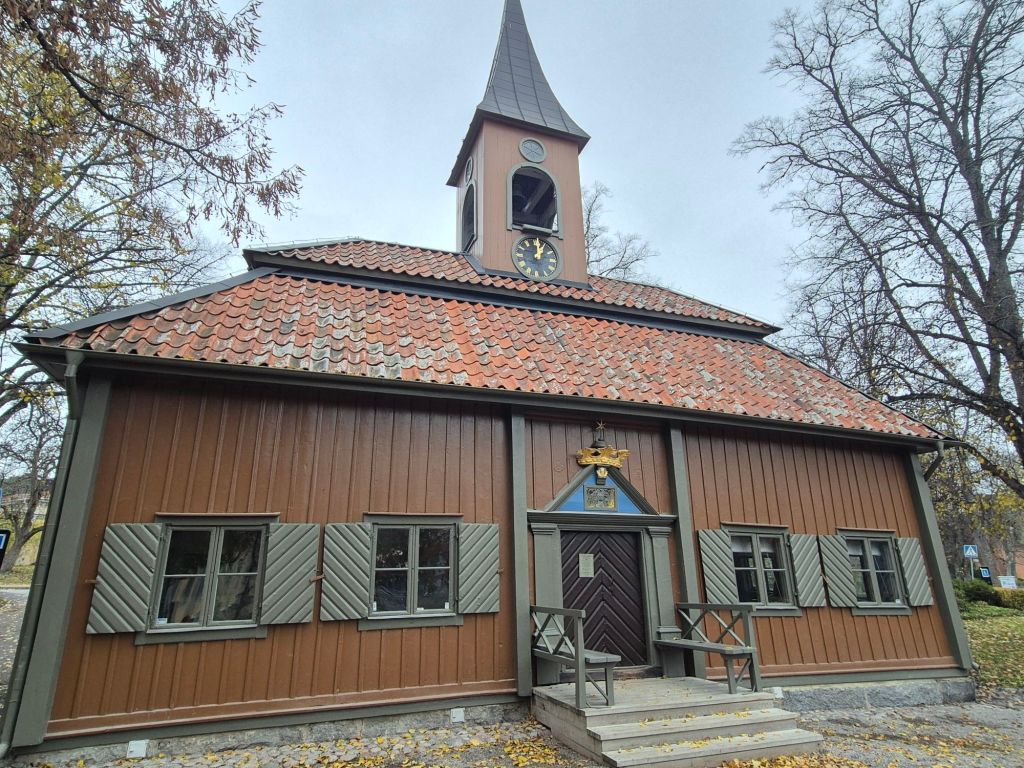
Sigtuna is also home to what is apparently the smallest town hall in Europe. We did walk right past it without seeing it, so they might have a point!
Leaving Sigtuna we drove through the countryside, some forests and some rolling hills for the rest of our trip.
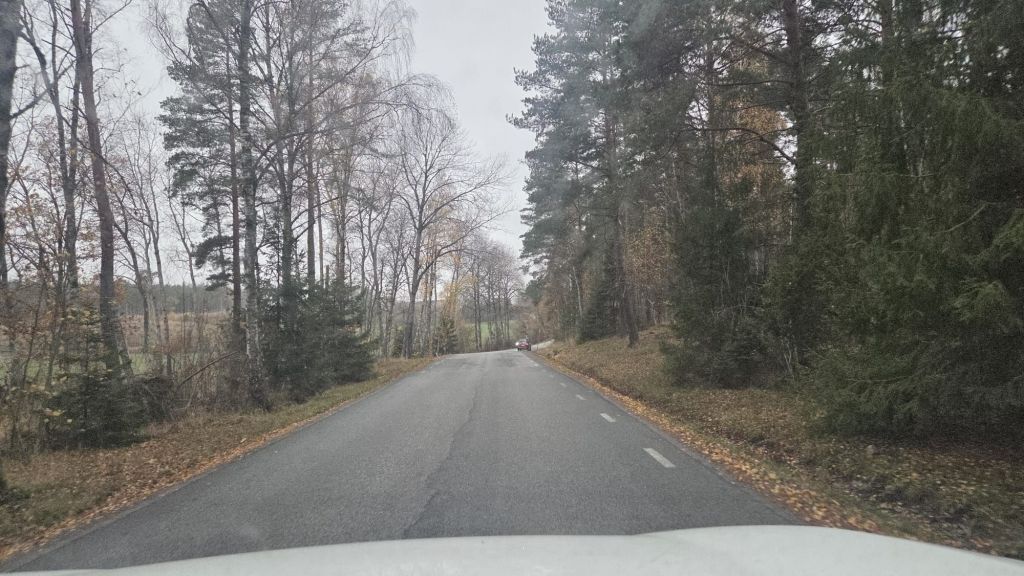
It was dark when we arrived in Karlstad, our stop for the night. The sun set at 4:08pm today!
So now it’s the 2nd of November, all of the following are true:
- we have less than 50 days left,
- we have less than 7 weeks left,
- we go home next month.
Today we drive to Oslo to leave our car at the airport; we will fly back to is after a ferry trip up the coast of Norway.
When we started this trip, this ferry trip was one of the few things we had booked, and it was so far off in the distance that it wasn’t worth thinking about. Now it’s here.
It’s scary how quickly time is passing right now!



Leave a comment…