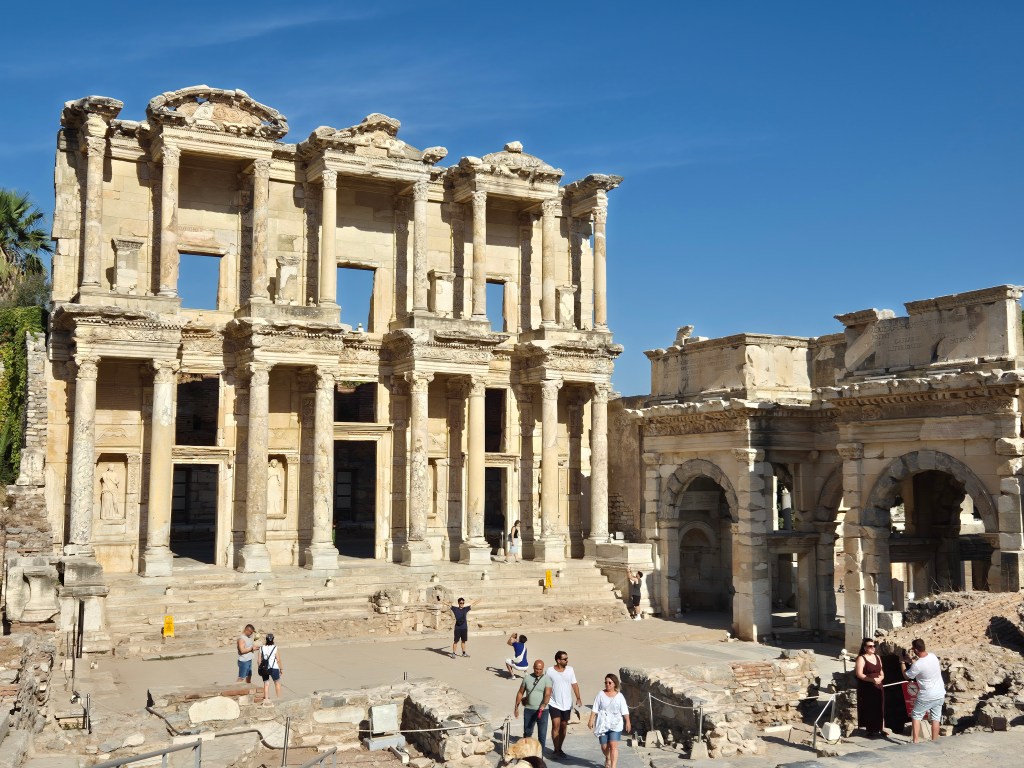
Today we left Kaș, headed west along the Mediterranean coast before making a northerly turn towards Pamukkale our destination for tonight.
The water continued to amaze with its colours and flatness, barely a ripple. The hills rise out of the water so dramatically giving us a very scenic drive. It was also long and hot, in excess of 5 hours.
Lunch done, checked in and it was time for a beer and a swim. After yesterday’s beauty of the Mediterranean we had to settle for a swimming pool. It was cool and refreshing, just what we needed after a 5hr drive.
The evening was spent at Hierapolis, an ancient Roman city built in the 2nd century BC by the Attalid kings of Pergamom (King Eumenes II) around the region’s healing thermal springs.
The area contains a museum, an amphitheatre
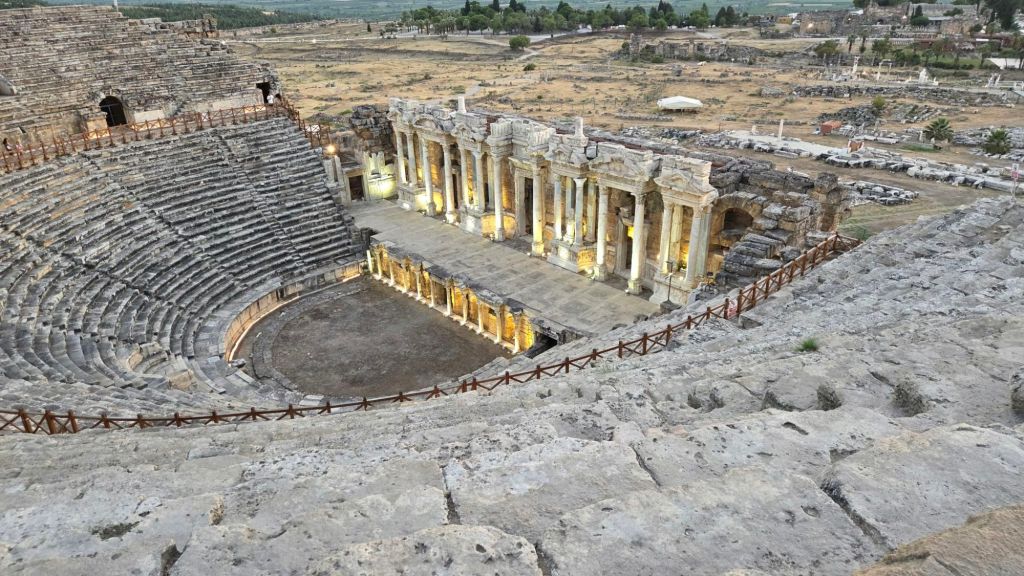
and the travertines.
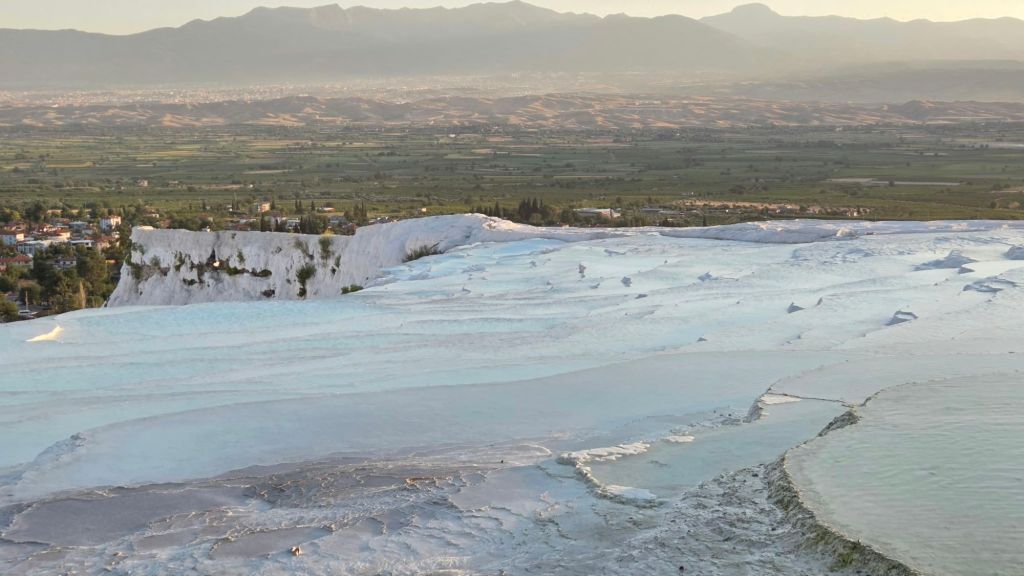
Pamukkale’s (meaning cotton castle) terraces are made of travertine, a sedimentary rock deposited by mineral water from the hot springs.
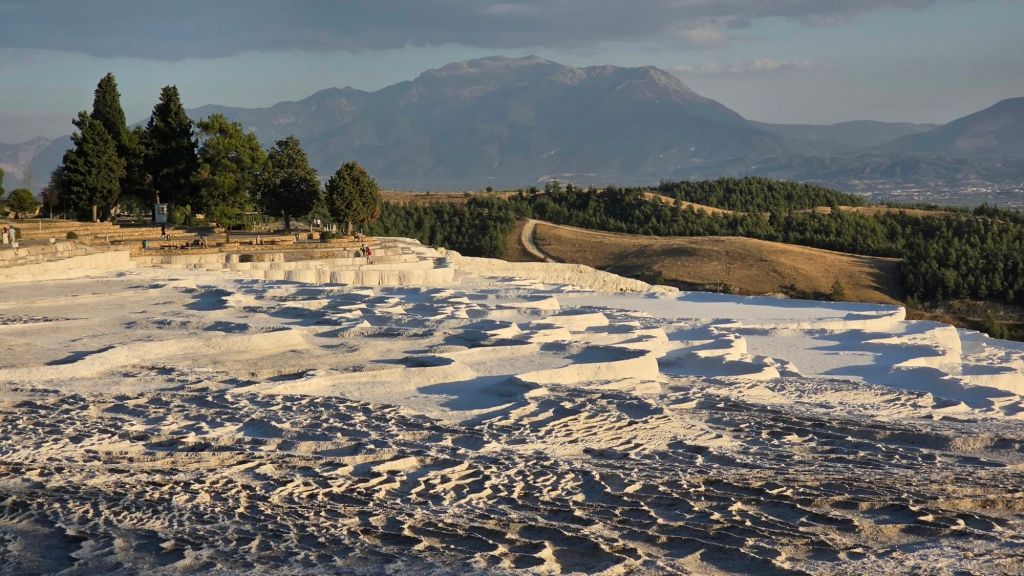
In this area, there are 17 hot springs with temperatures ranging from 35 °C (95 °F) to 100 °C (212 °F).
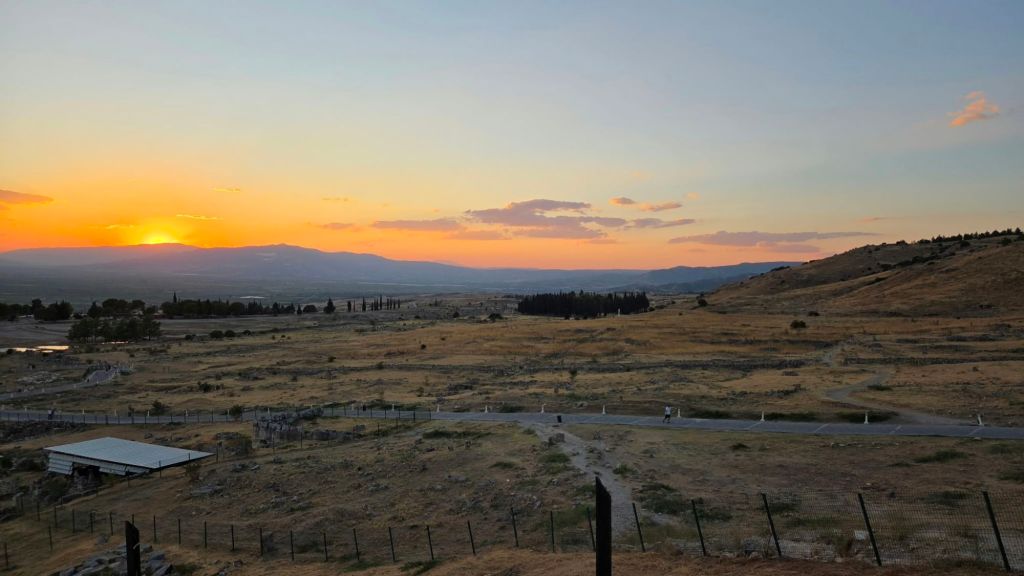
We watched the sunset from the amphitheatre.
We headed north west to the Aegean region of Turkey today. Just as we left Pamukkale we stopped at a linen shop.
Some of us were expecting a factory where we could see products being made. Alas it was a shop that sold anything that was made from cotton. Turkey is the 4th biggest exporter of cotton in the world.
Then we set course for Selcuk where wine tasting awaited, we were promised 10 different wines.
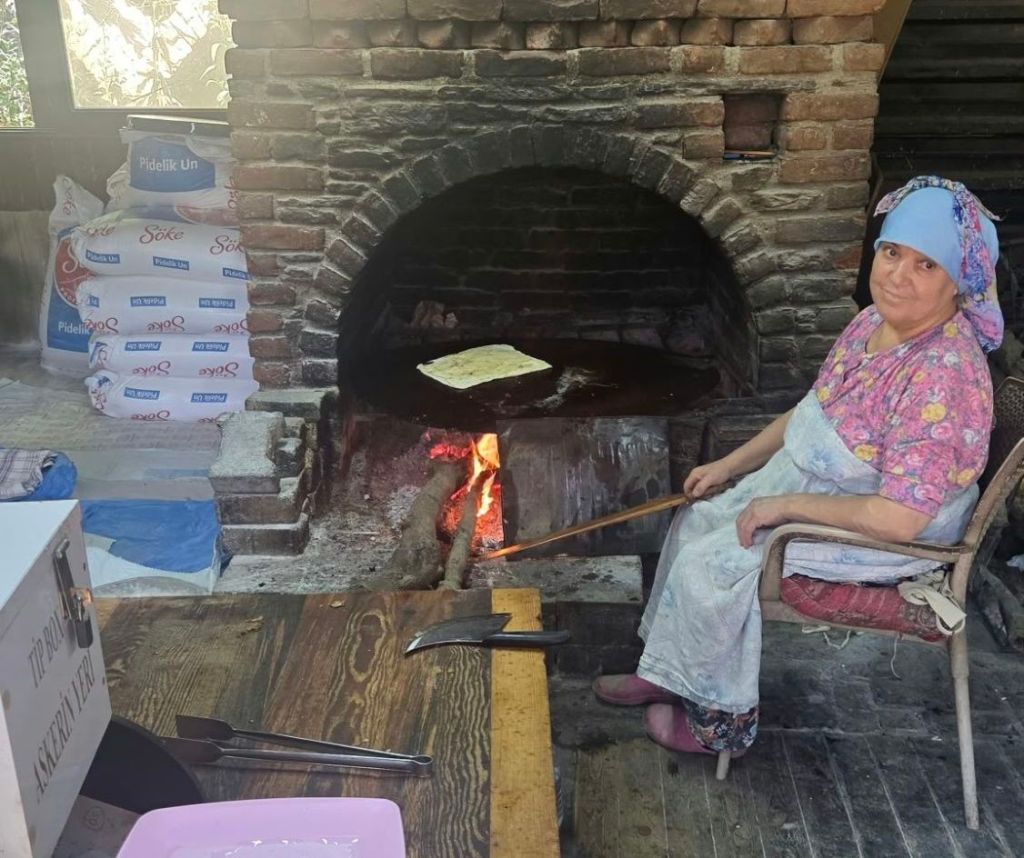
Lunch was at a Gozleme restaurant called Seven Sleepers. Legend has it that many years ago 7 men were accused of Christianity. They were offered the opportunity to recant their faith but refused.
They went up a mountain to pray and subsequently fell asleep in a cave. The emperor realised they’d not change their ways so the cave was sealed.
At a later time, the landowner opened the cave and the 7 woke up, believing that they’d just slept for 1 day.
One of them returned to Ephesus, surprised to see that Christianity had been adopted. The locals were astounded to see a man trying to spend coins from a previous era.
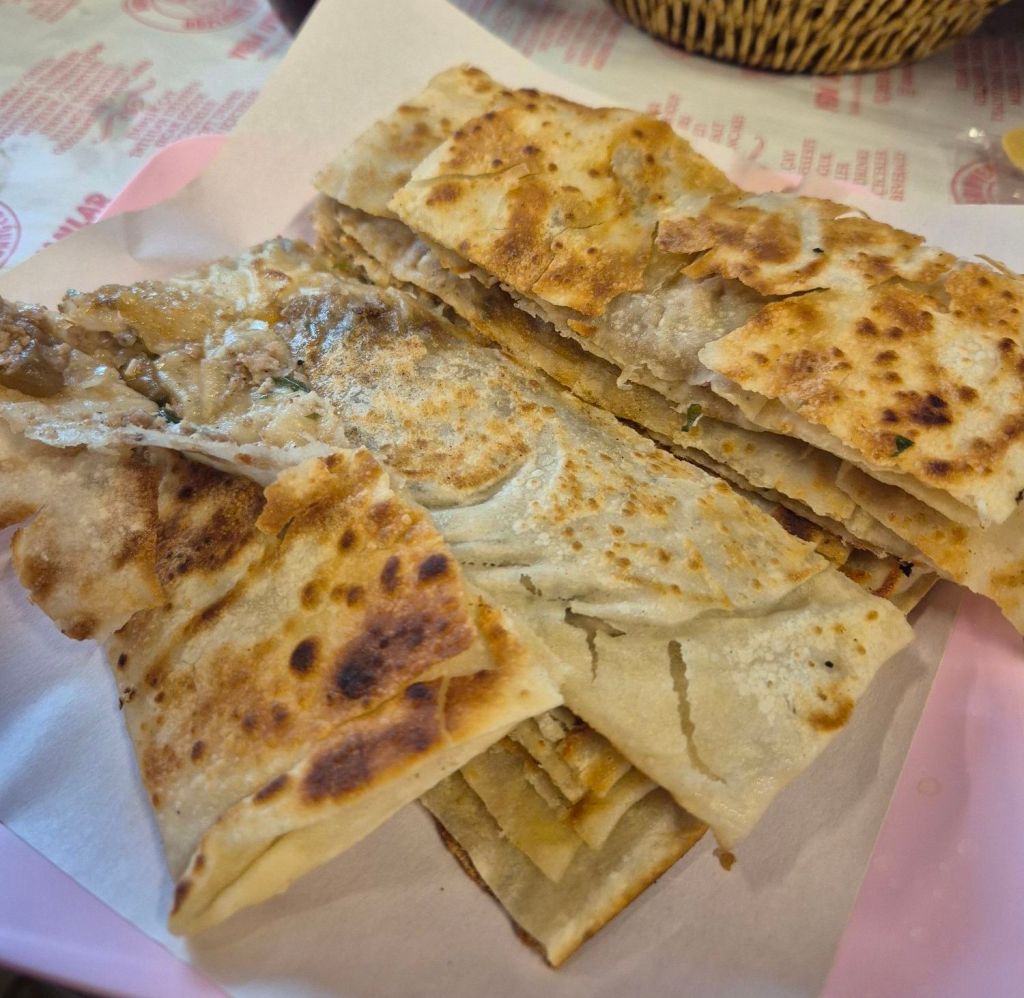
Our savoury gozleme were filled with, mince meat, aubergine and onion.
Chocolate spread and banana was in the second.
From here we went to the village of Şirince, near Selçuk.
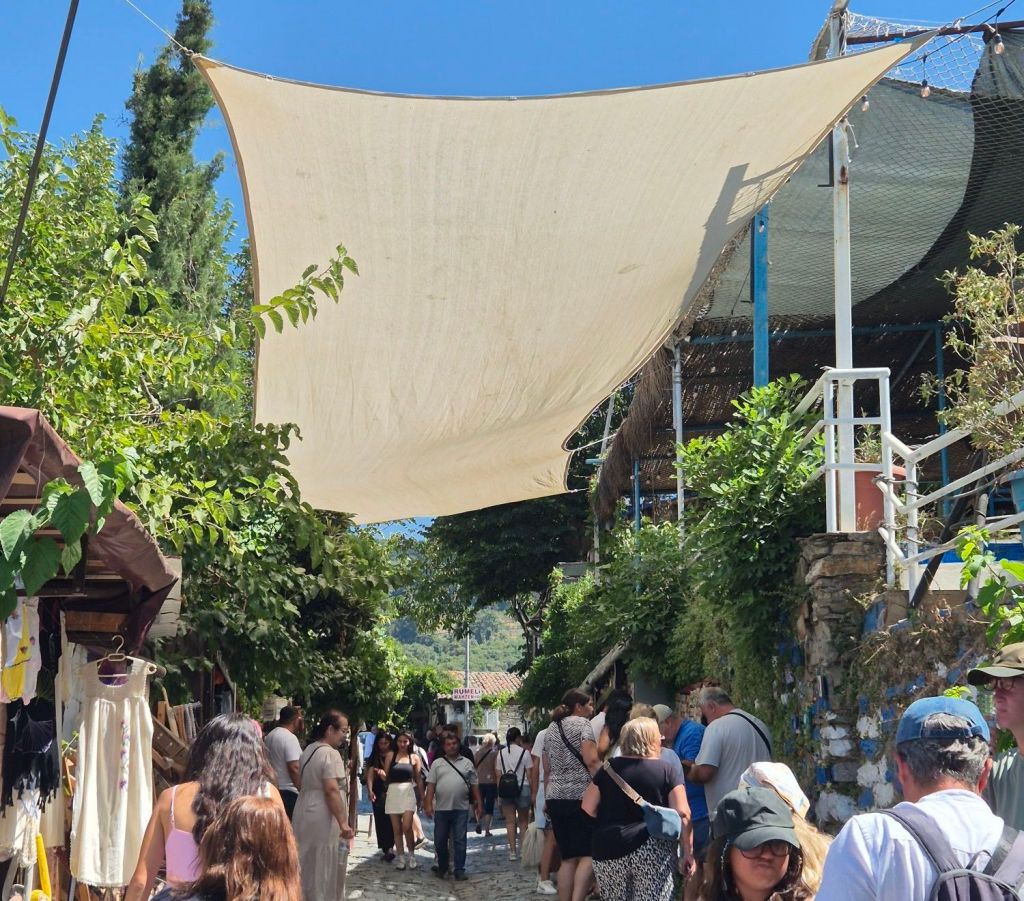
We walked through the narrow streets to a wine producer to do a wine tasting with some cheeses and olives. The white wines were quite nice and there was an interesting wild cherry port, but none of us were fans of the reds.
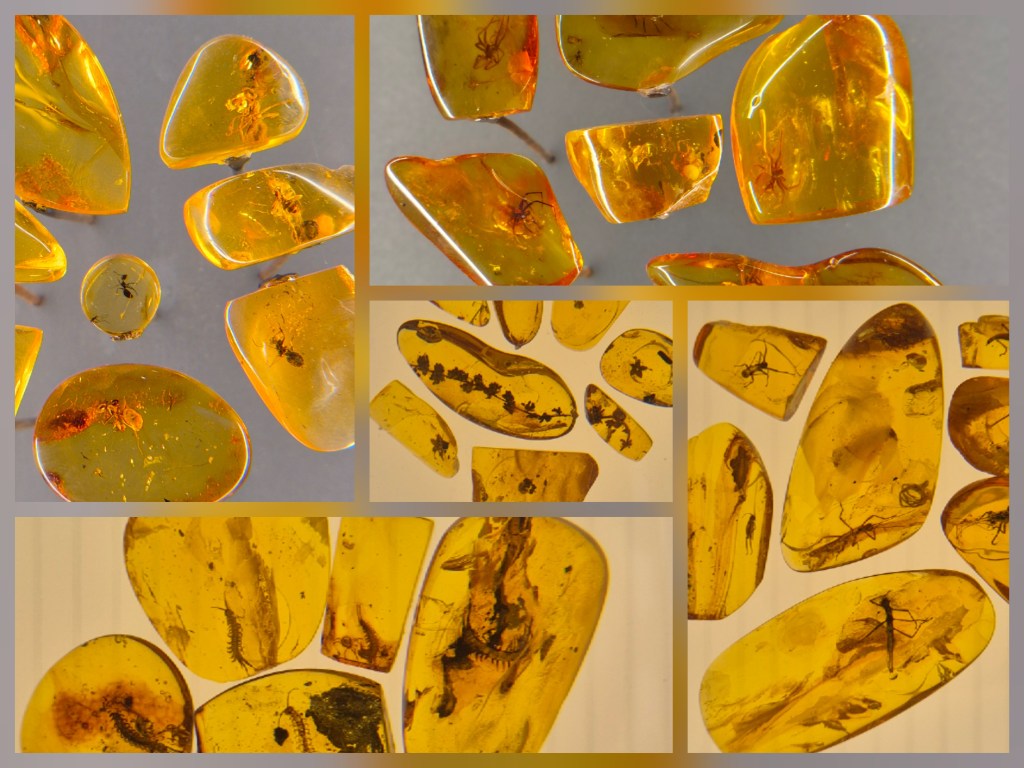
We then visited a local artisan jeweller who specialises in jewellery made with a local gemstone called Sultanite. It’s also known as “the seven colour stone” as it changes colour with different light conditions.
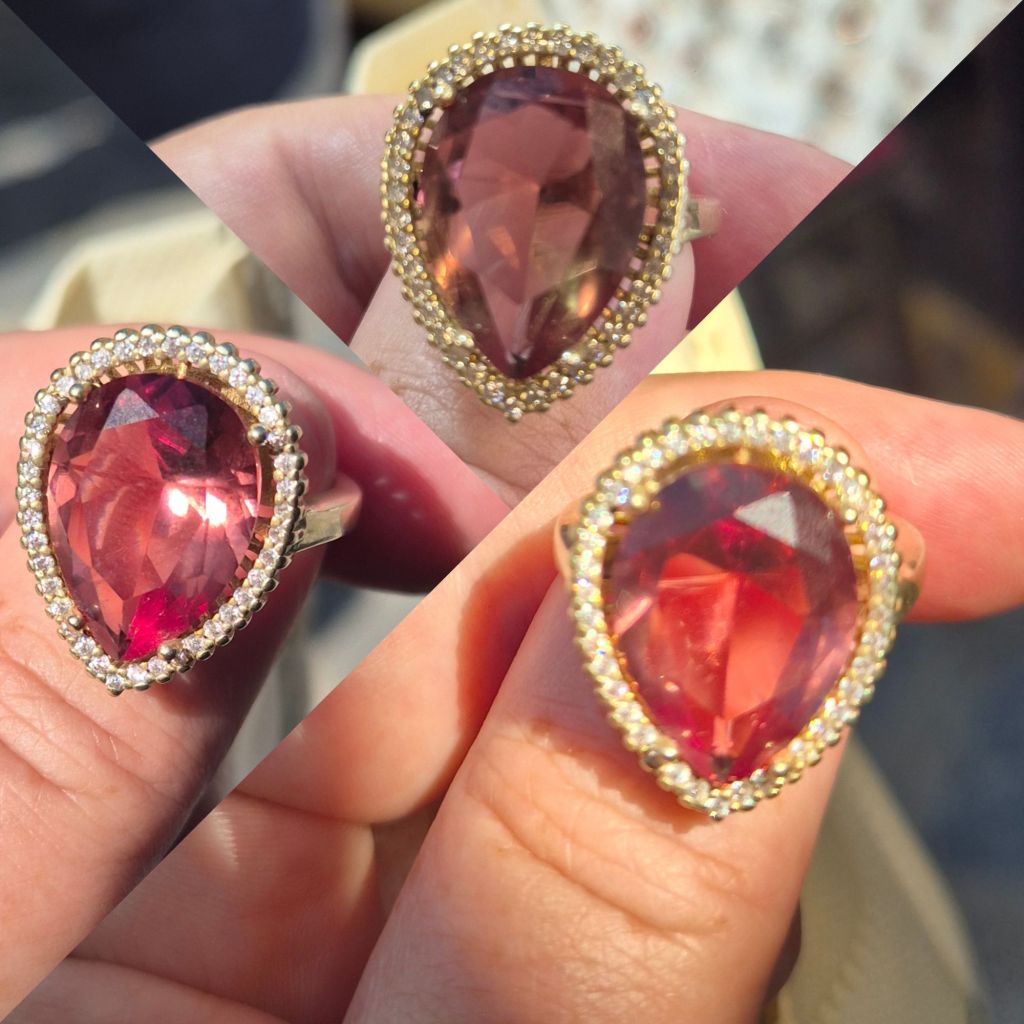
The jeweller also made all the jewellery for the movie Troy, most of which was replicas of historic pieces that belong to museums.
We then wandered the streets back to the van, stopping at multiple shops along the way.
We then drove the short distance to our hotel for the next two nights in the city of Selçuk.
We were up early to beat the cruise ship crowds to Ephesus. It worked, we avoided almost anyone else until about 10am!
Ephesus is a city built around 4000 years ago. It was an extensive port city, the coastline has since moved to about 5km away. It was home to about 250,000 people. Excavation began here about 150 years ago and so far about 20% has been uncovered.
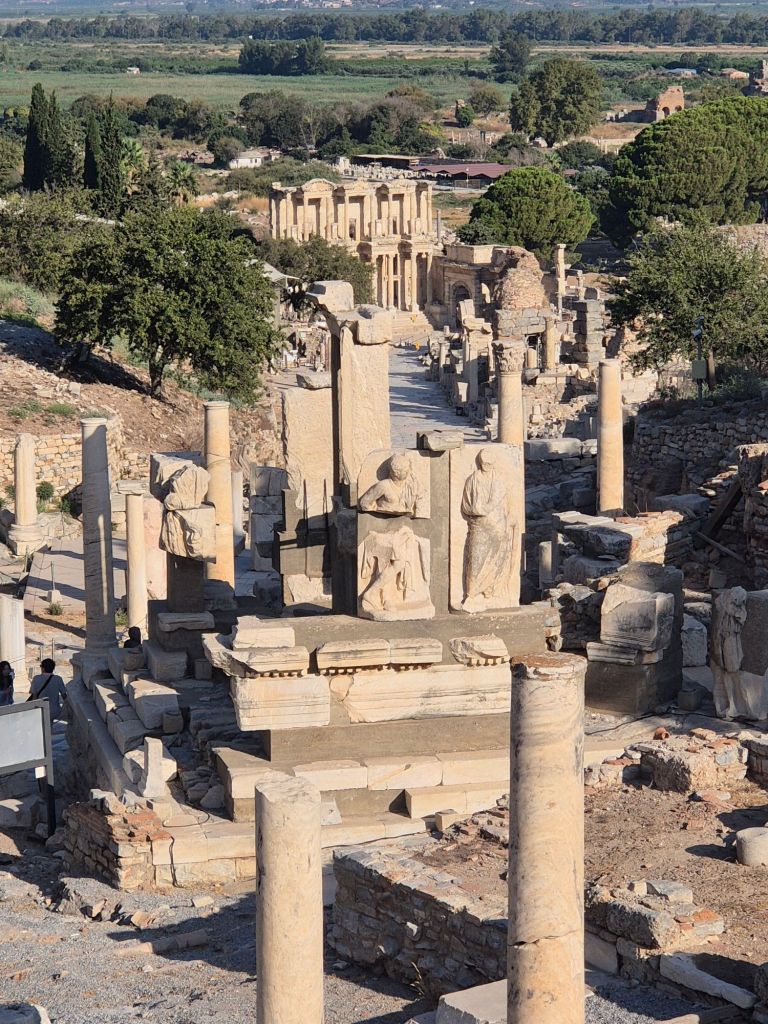
We saw ruins of a hammam, government buildings,
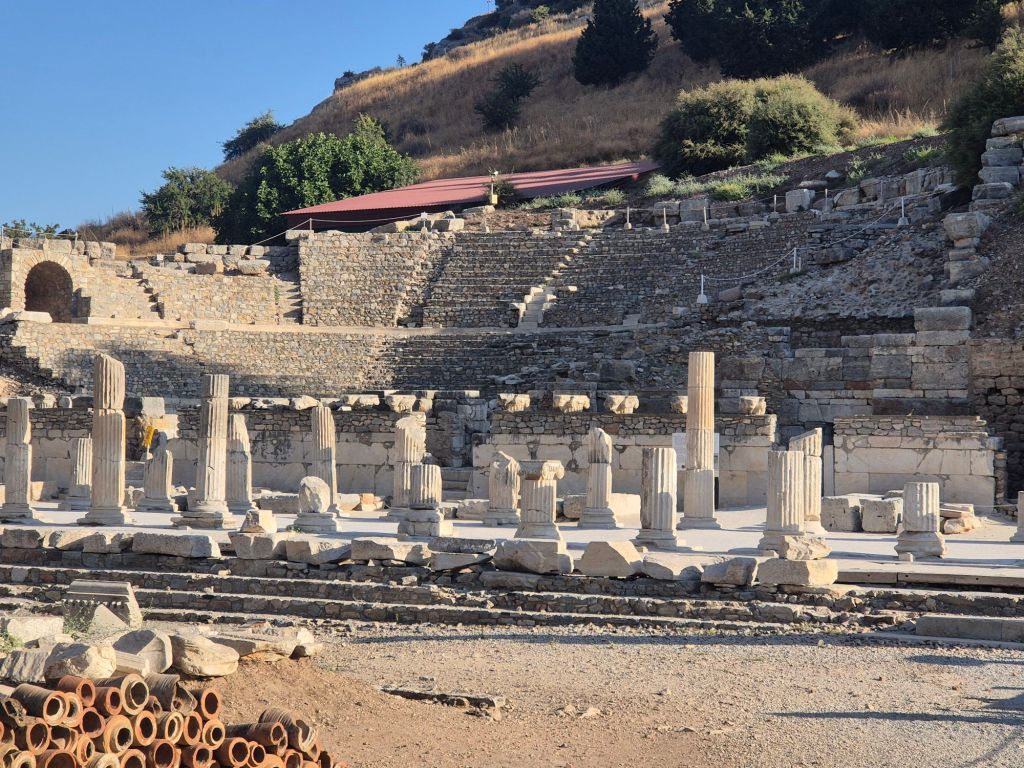
shopping streets,
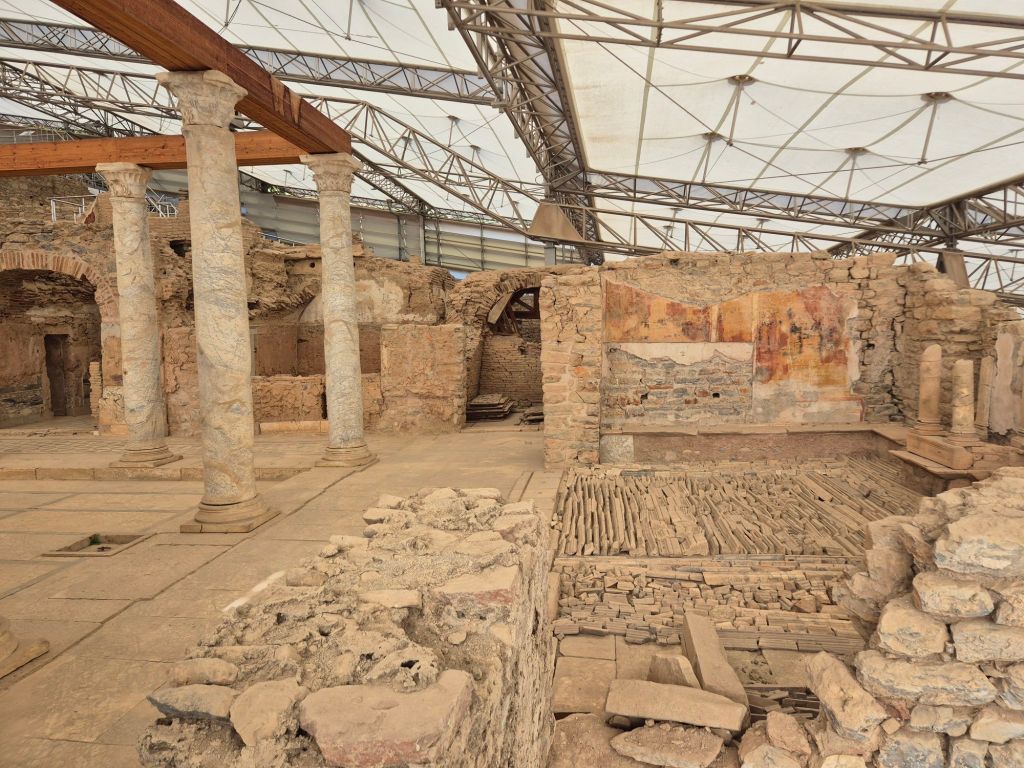
terrace houses with mosaic floors and marble walls,
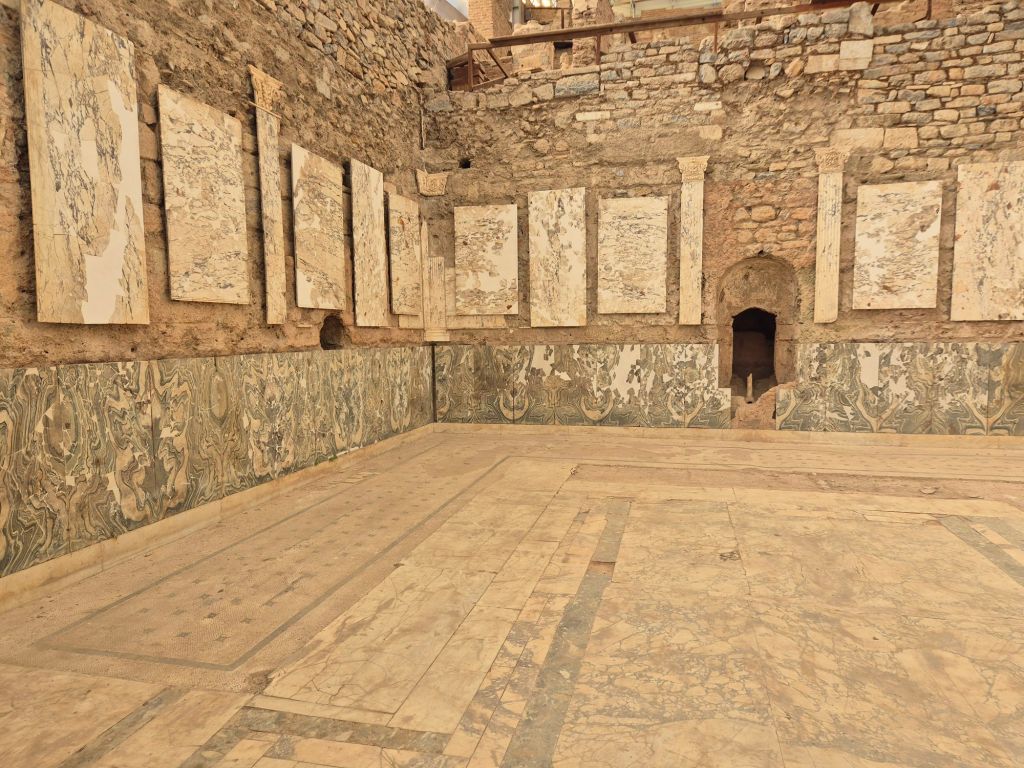
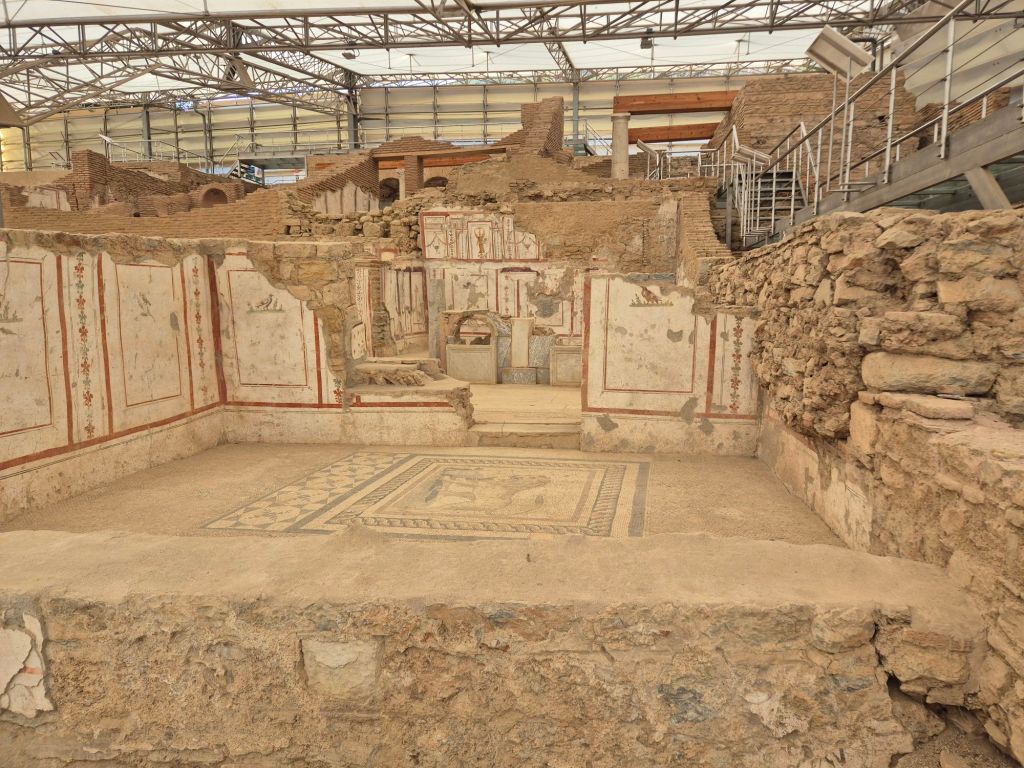
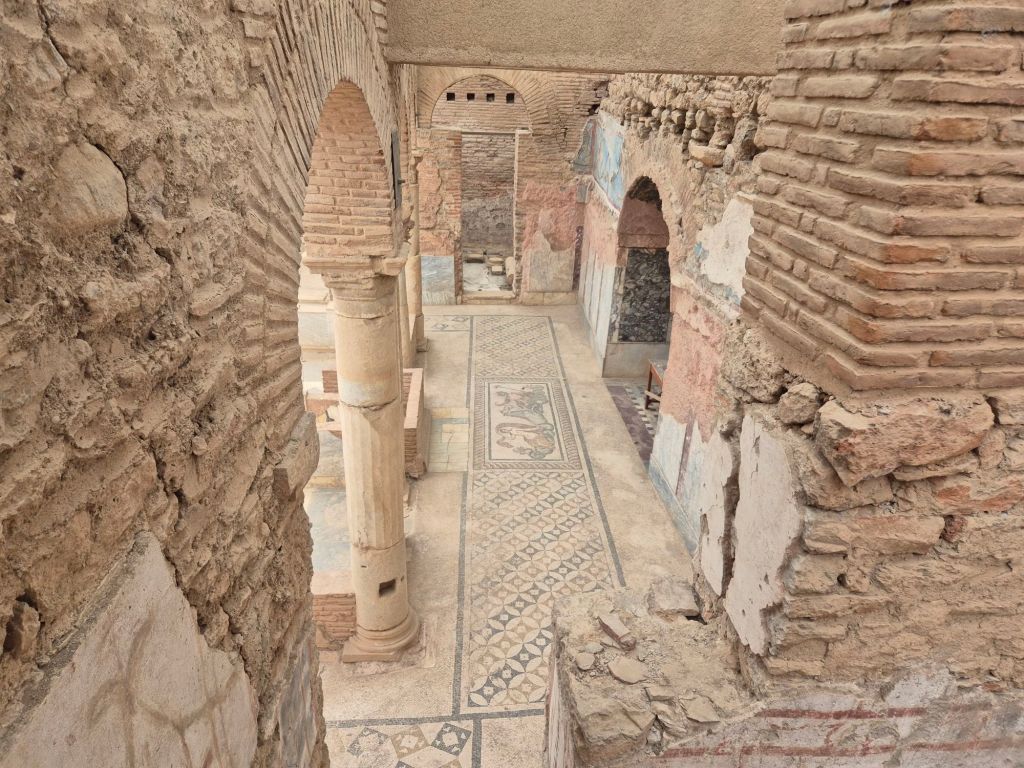
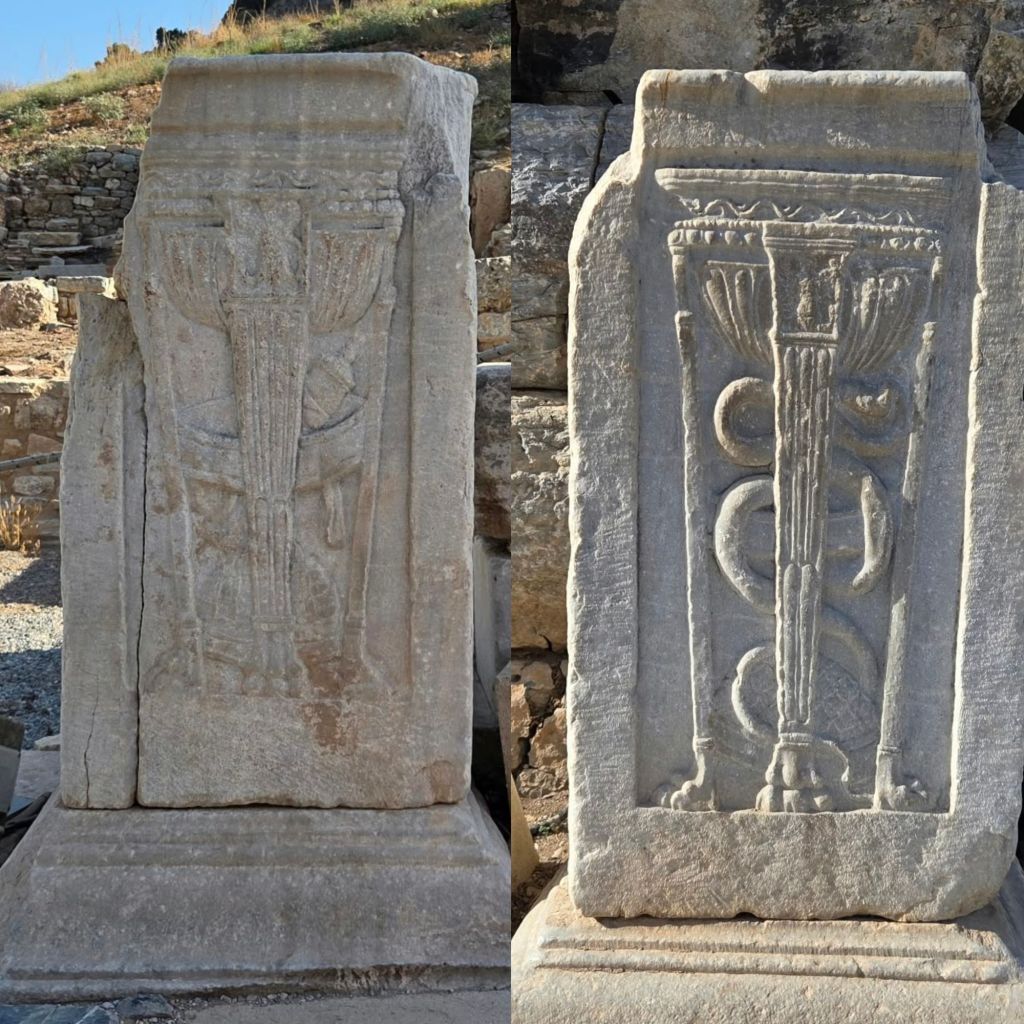
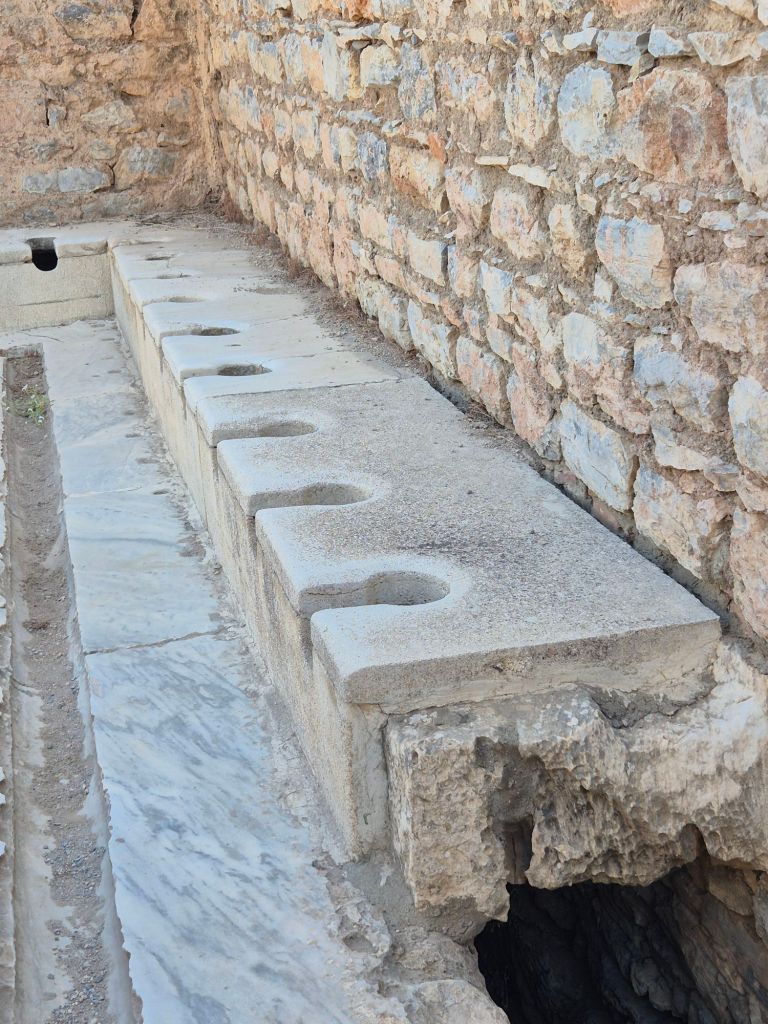
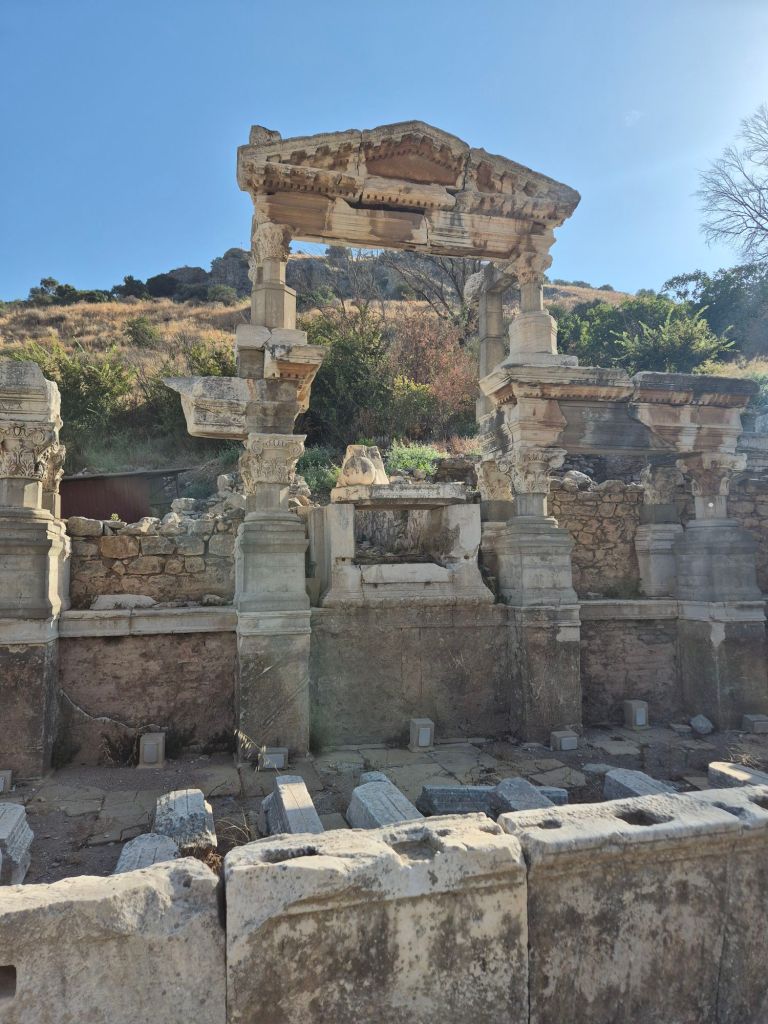
latrines (that were once flushed with the water from the hammam), a health centre (that had stones carved with the caduceus and bowl of hygea symbols for medicine and pharmacy that are still used today), fountains,
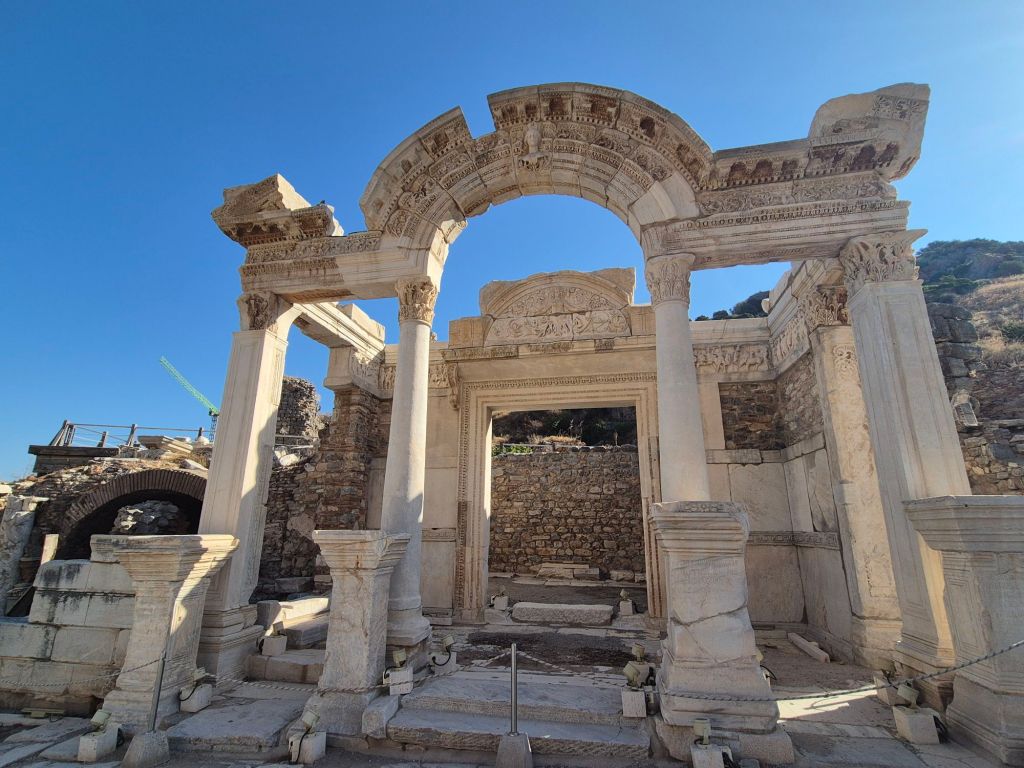
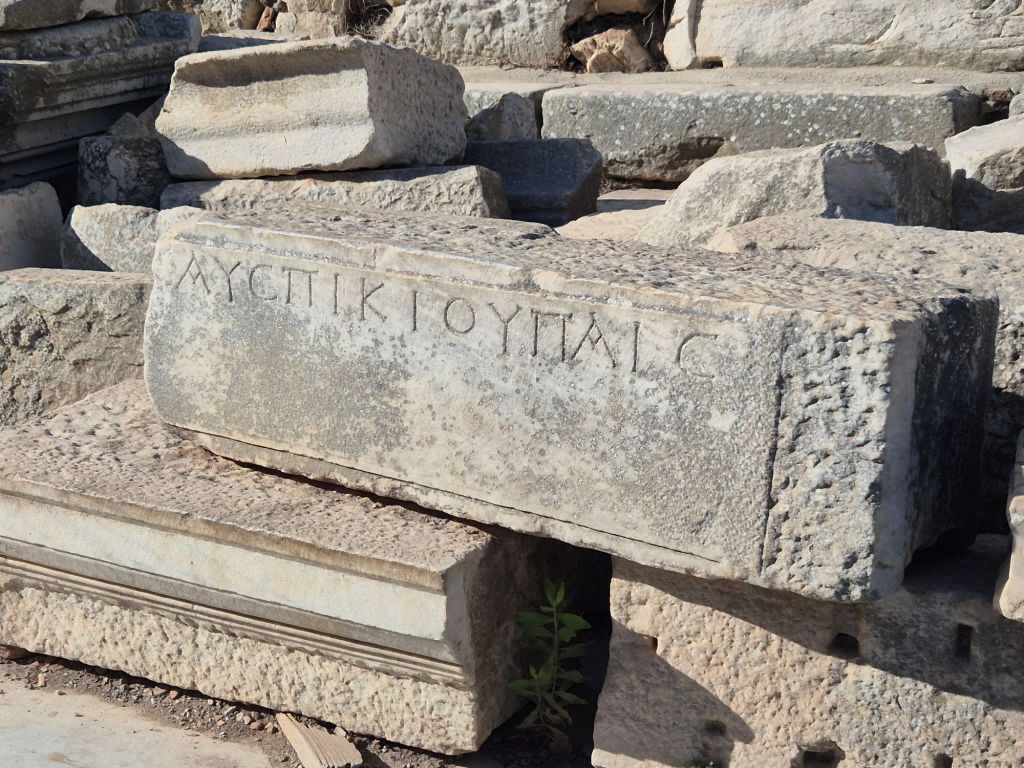
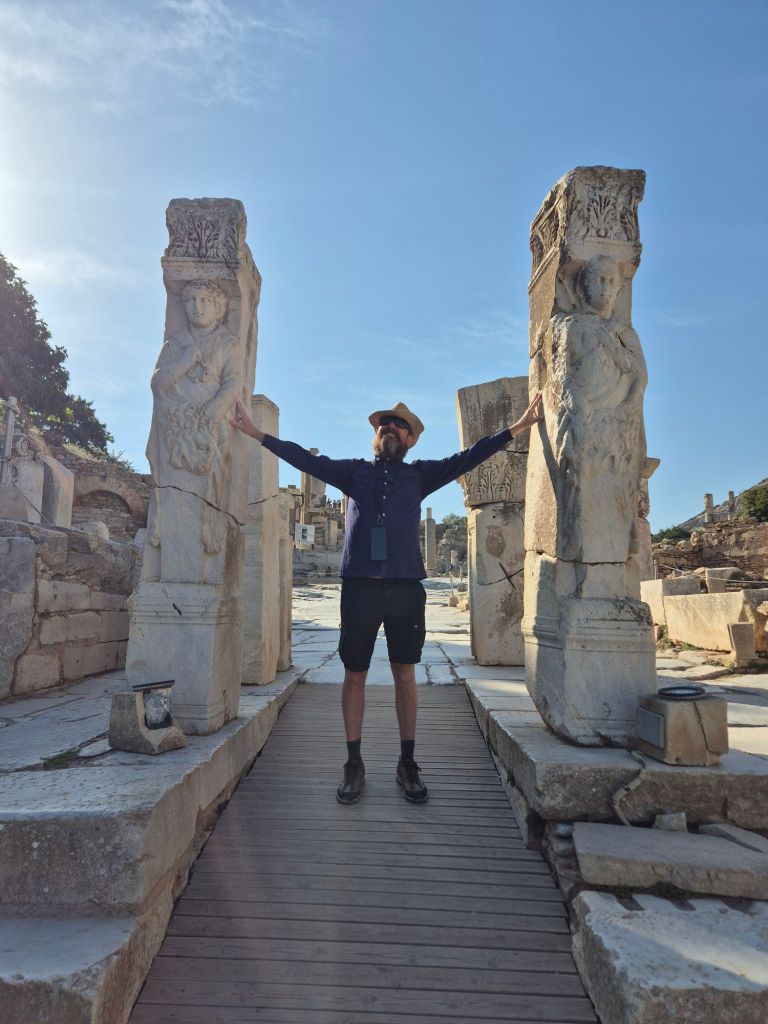
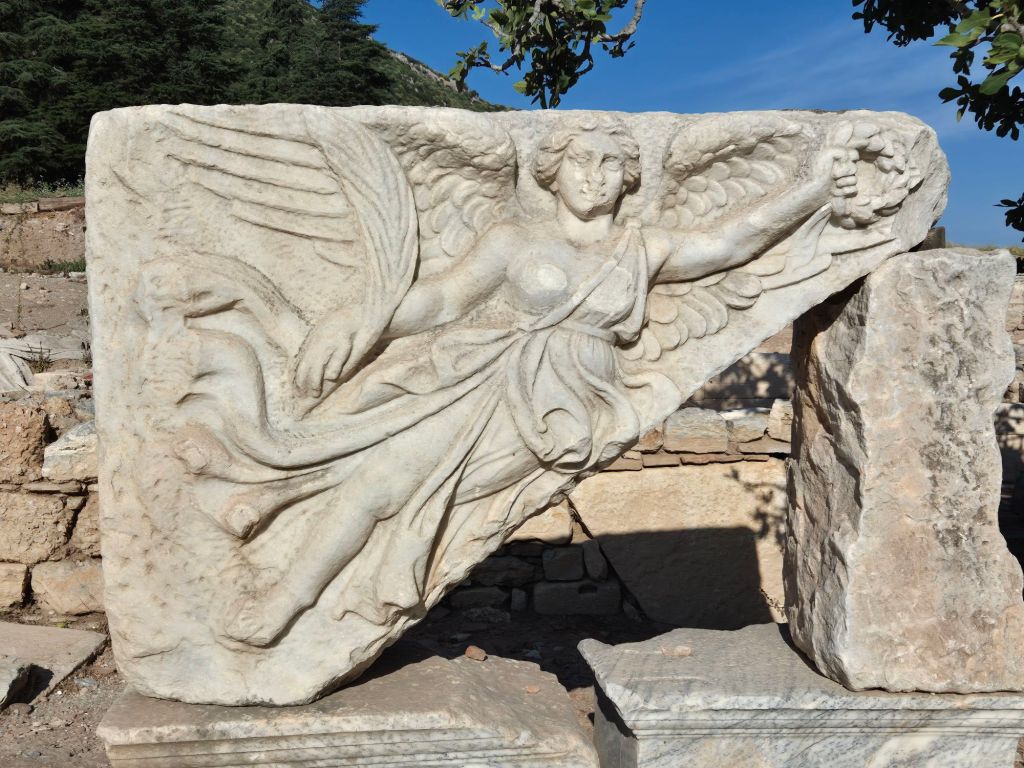
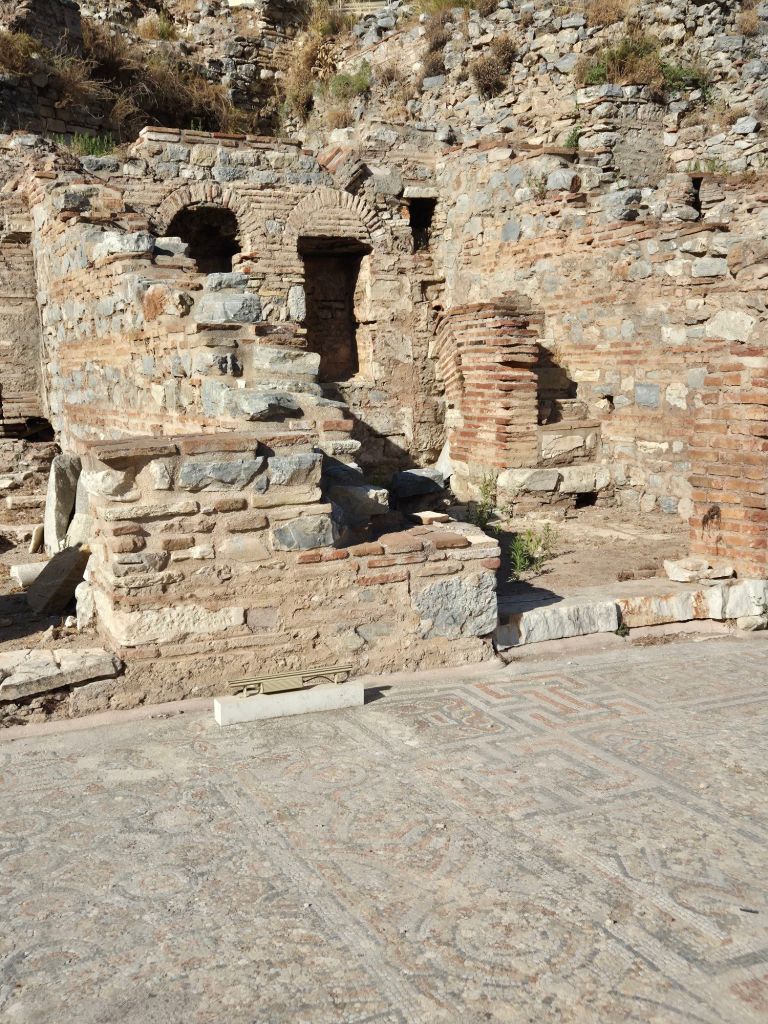
a library,
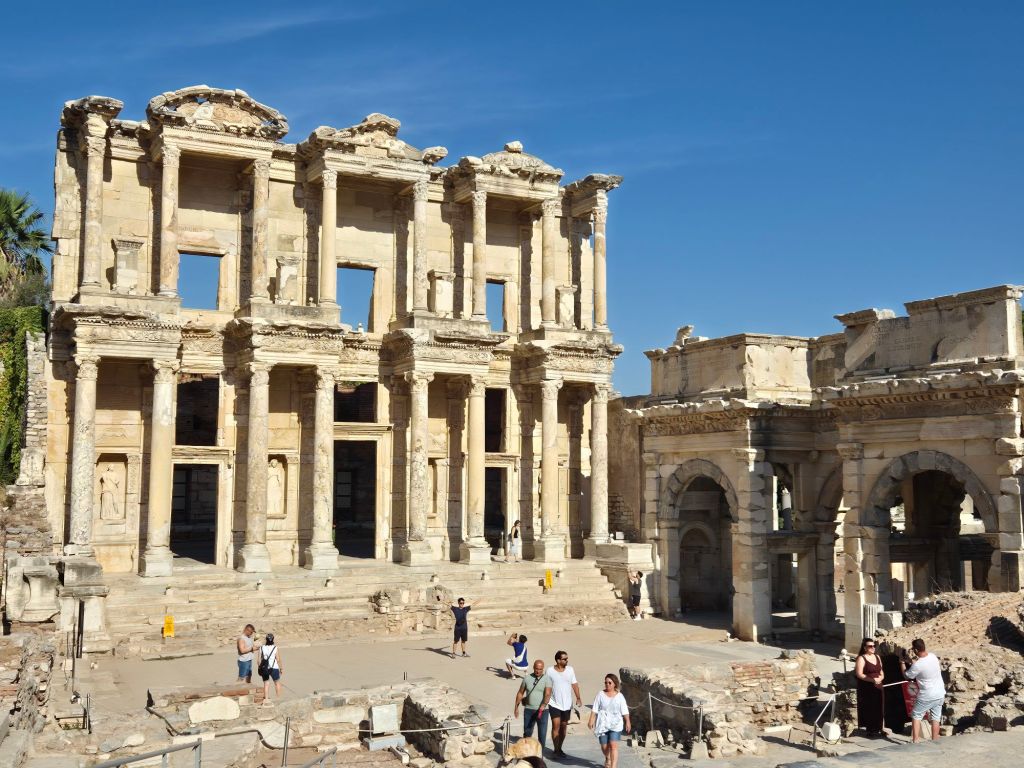
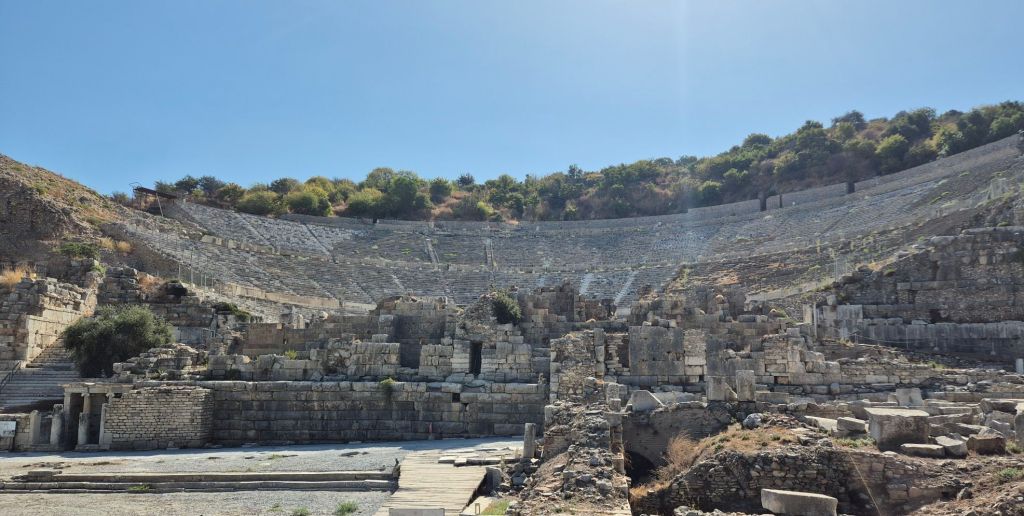
an amphitheatre, boulevards and more.
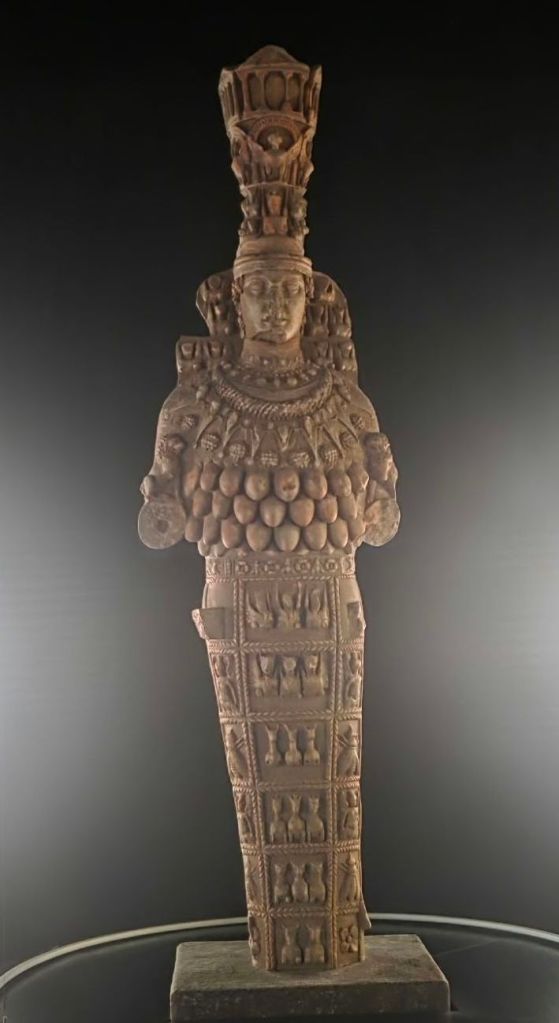
There was also an ‘Ephesus Museum Experience’ that showed what the city looked like when inhabited and a statue of Artemis.
From Ephesus we went to view the Artemis Temple, one of the seven wonders of the ancient world, it was once a grand temple with >120 columns. It’s now just a bit sad and neglected, with one column remaining.
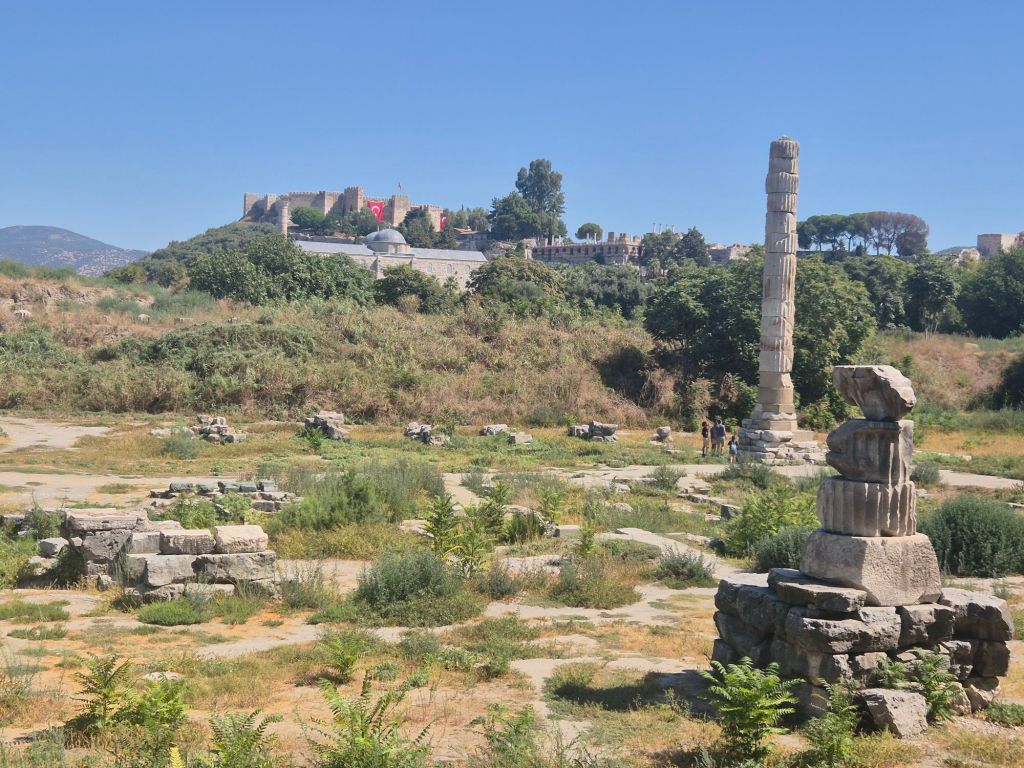
On a hill behind it is the Chruch of St. John the Baptist, where he is buried and the Isbey Mosque, once a temple and a church before it became a mosque.
From the temple we visited the Isbey Mosque. It turns out that at least 8 of the missing columns from the Artemis Temple were relocated here several 1000 years ago.
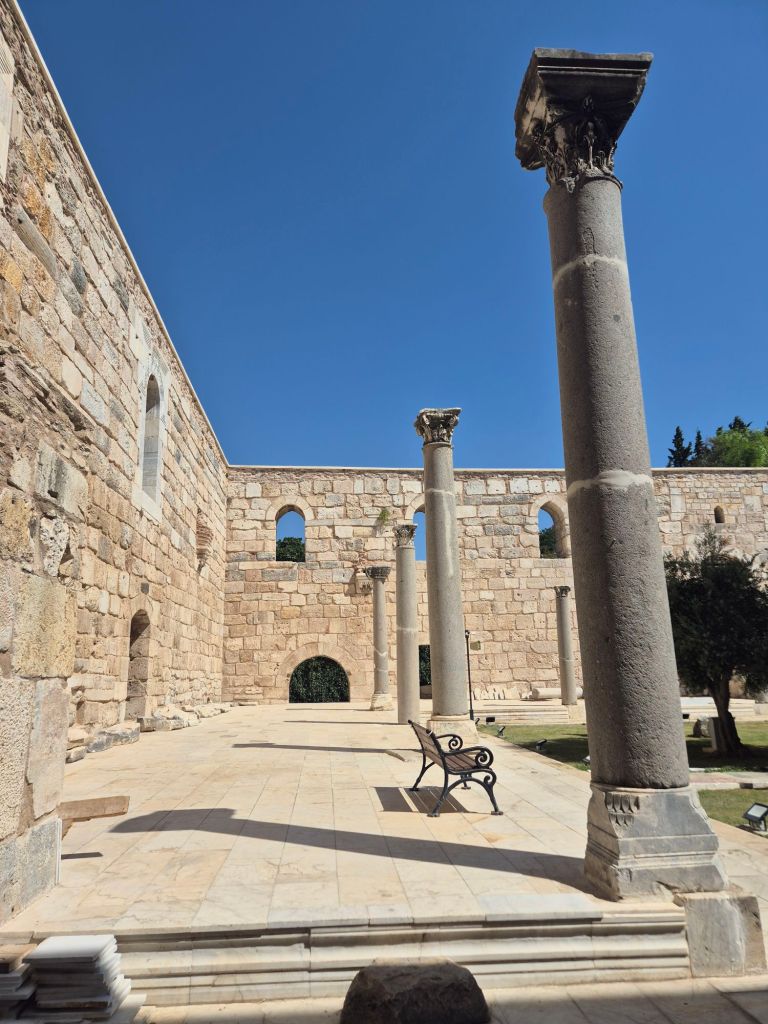
After the Imam had finished doing the Whipper-Snippering of the gardens he came and spoke with us inside the Mosque and told us a but about how Islamic prayer works and also did a call to prayer for us. He does them live, five times a day, whilst most mosques play a recording! It was interesting.
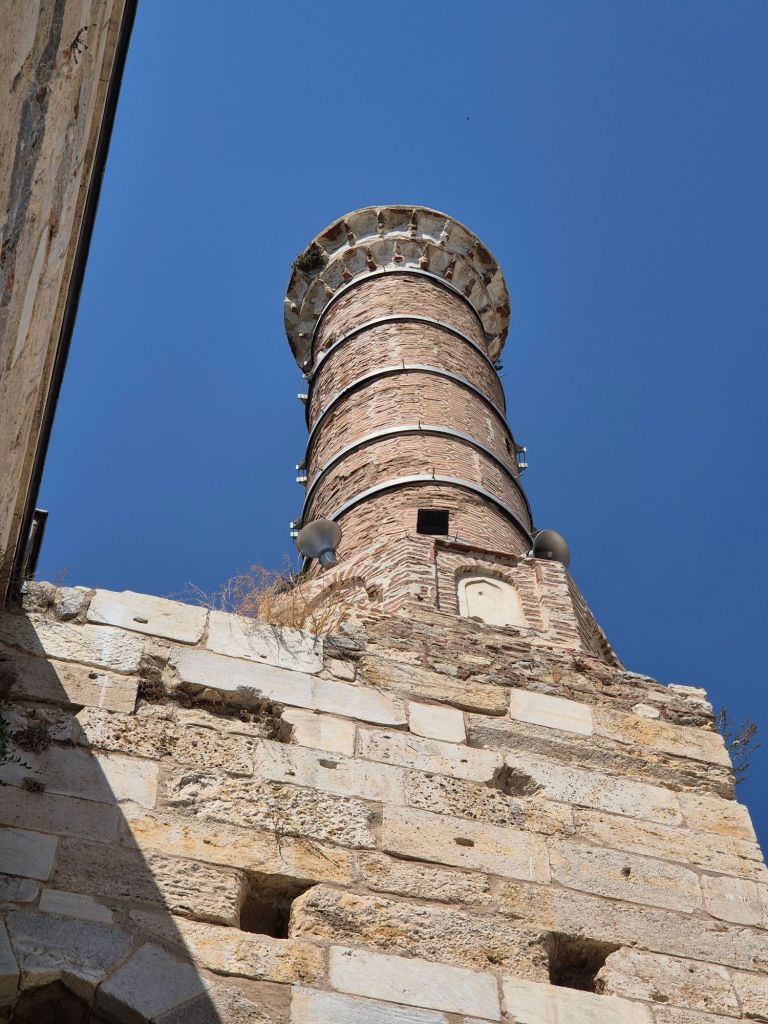
Leaving the Mosque we started our free time and walked to a nearby art gallery and had a chat about the various artists who do the work they sell there. We stopped at a restaurant for a delicious lunch, then strolled back to our hotel.
Today was a 400km trip north to Çanakkle on the Aegean coast; the Aegean Sea was a gorgeous blue colour. On the other side of the road at one point there were artificial lakes with flamingos in them. This was our first time seeing flamingos.
Our highlight for the day was a visit to Troy, scene of the mythical Trojan War.
There have, depending on which expert you believe been 9 or 10 cities built in this one location over the millennia.
The reason for so many is when the city was destroyed, a new one was rebuilt on top of the ruins. The 1st was built 3600BC, the last was around 400BC.
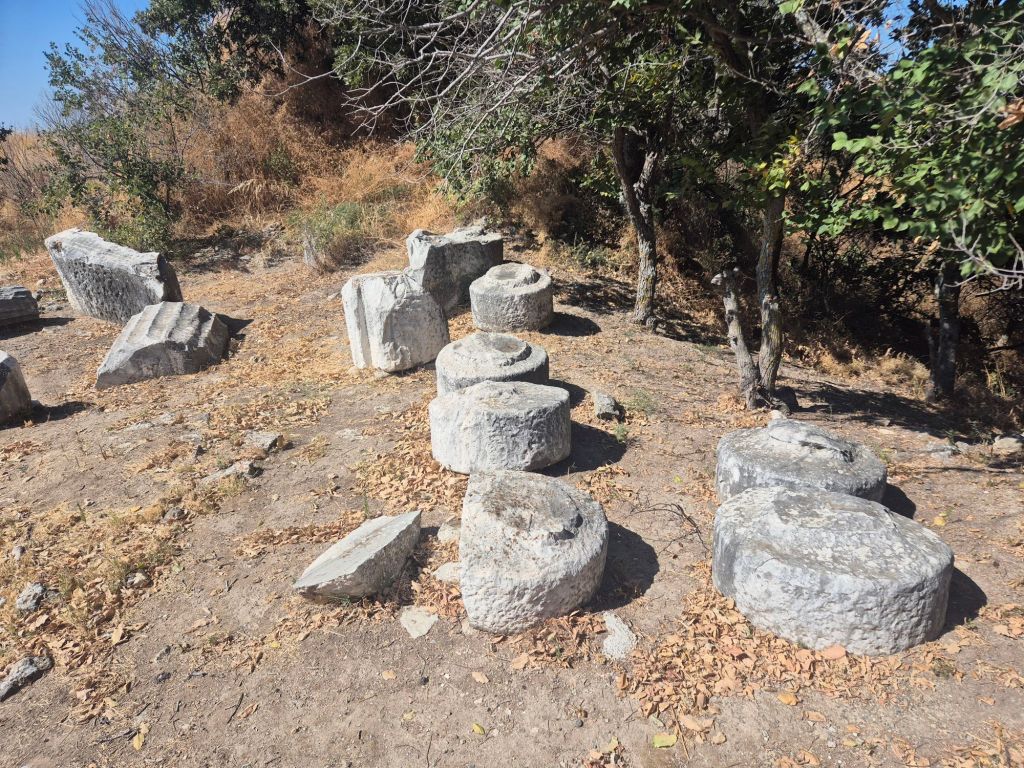
As to be expected not much of Troy remains.
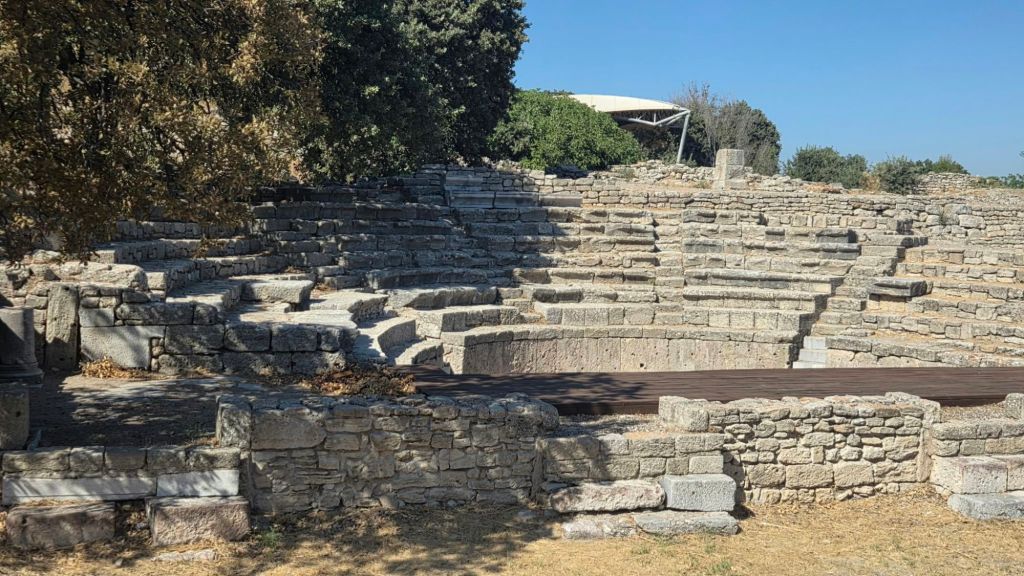
There are plenty of stones/rocks to be seen, a small amphitheatre in good condition
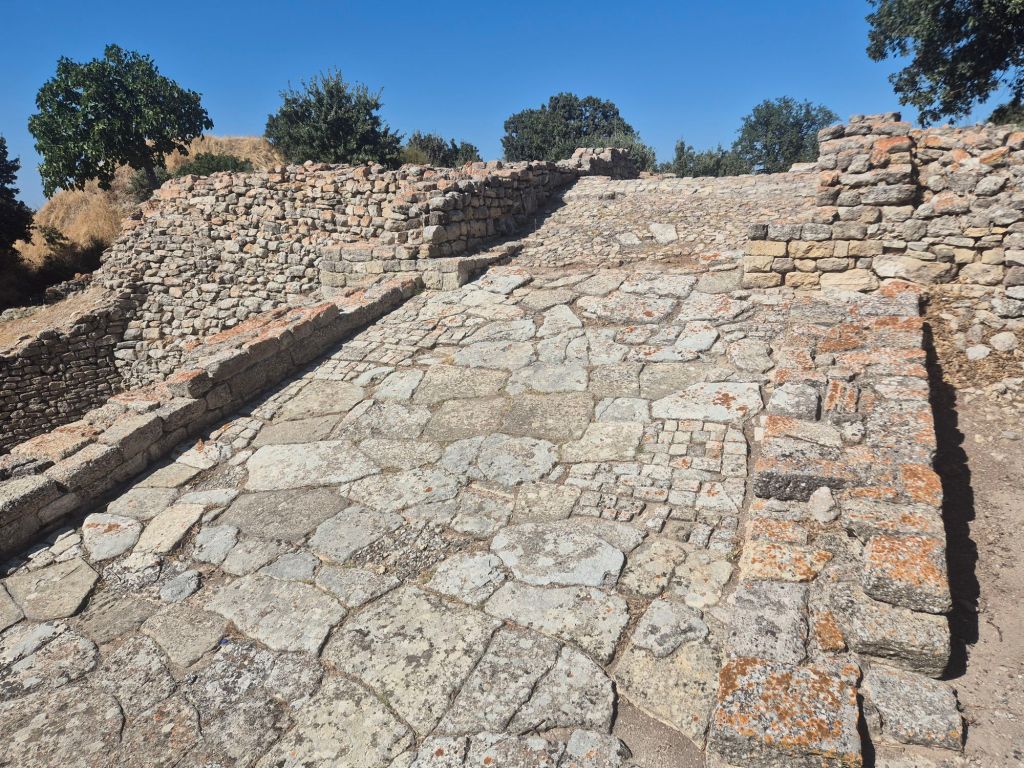
and a ramp to one of it’s many entrances.
The first person to excavate here in the 1870s was looking for ancient treasure and did not take an archaeological approach to his digs.
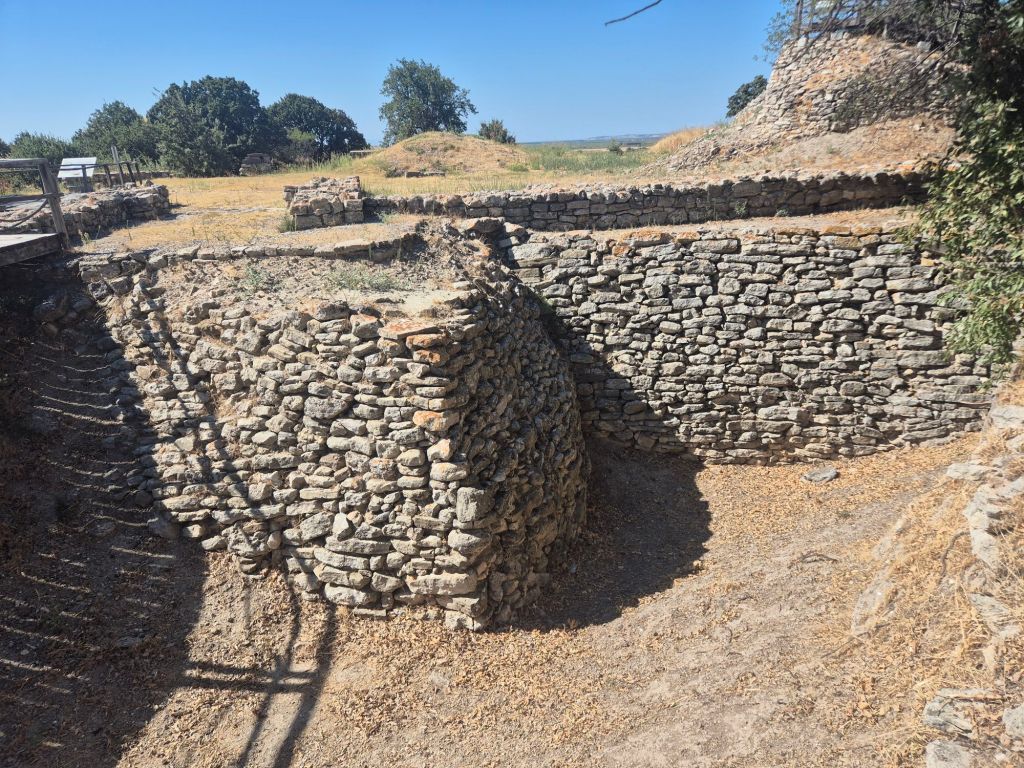
His initial diggings destroyed lots of the newer (2500BC – 1400AD) layers as he wanted to get down to the really old layers (3000BC) where he believed the treasure to be.
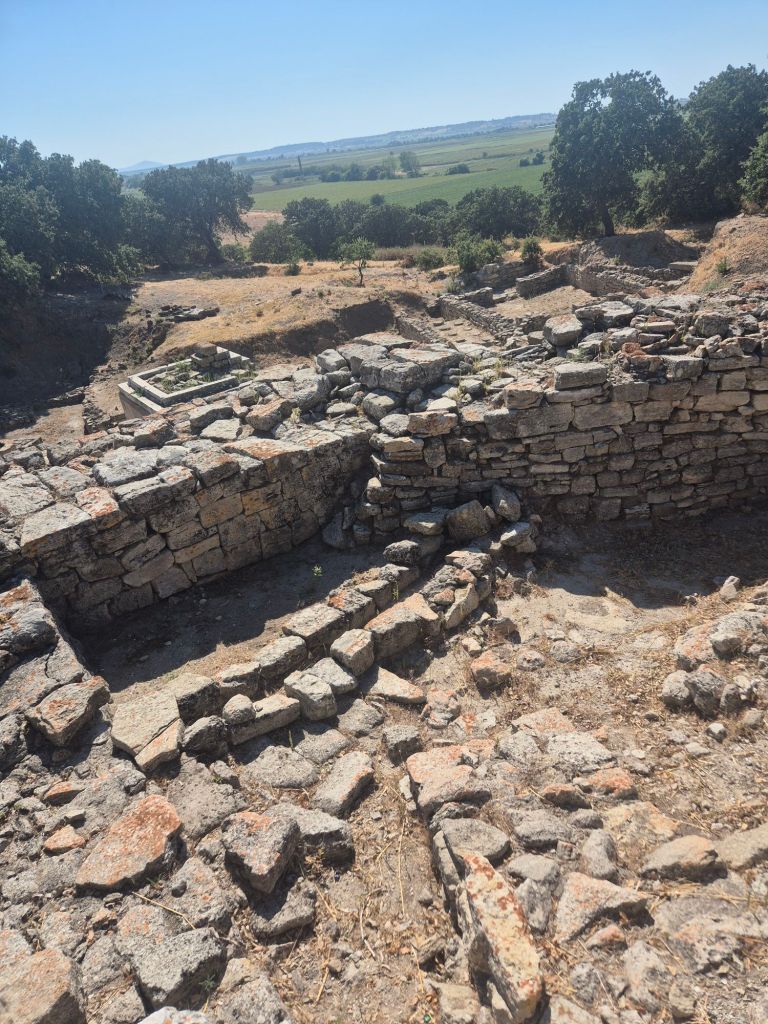
Excavations are ongoing on the site.
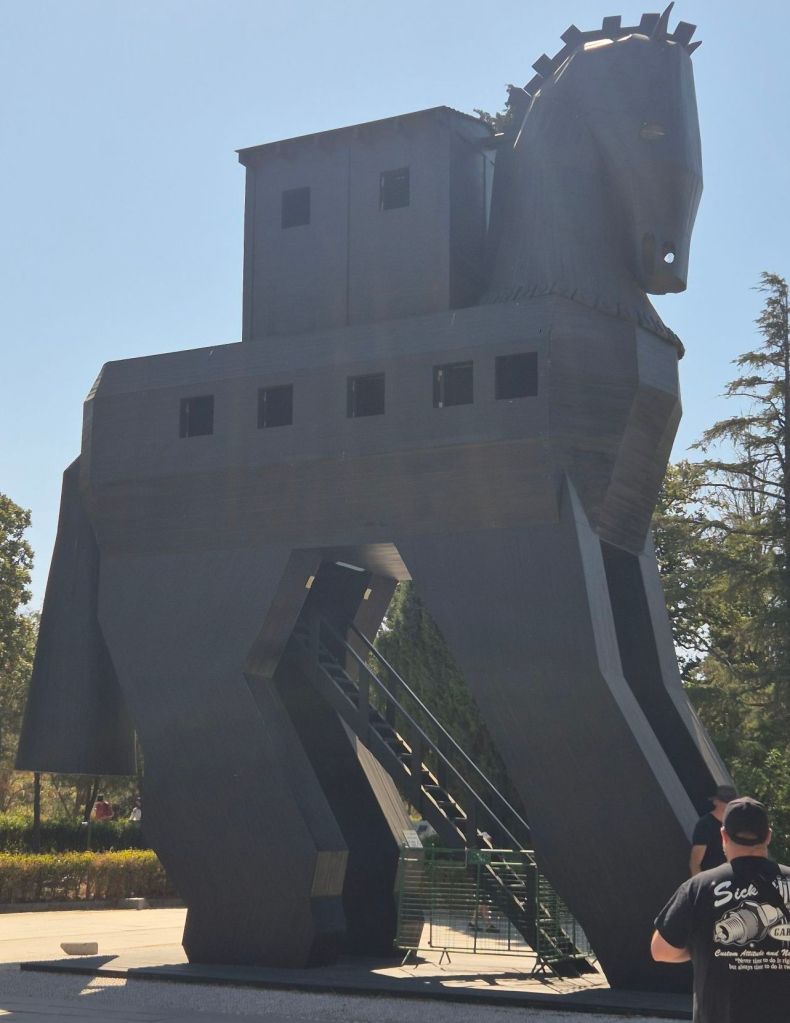
At the entrance of the site there was also a Trojan Horse, whether the story is true is highly unlikely but a good myth all the same.
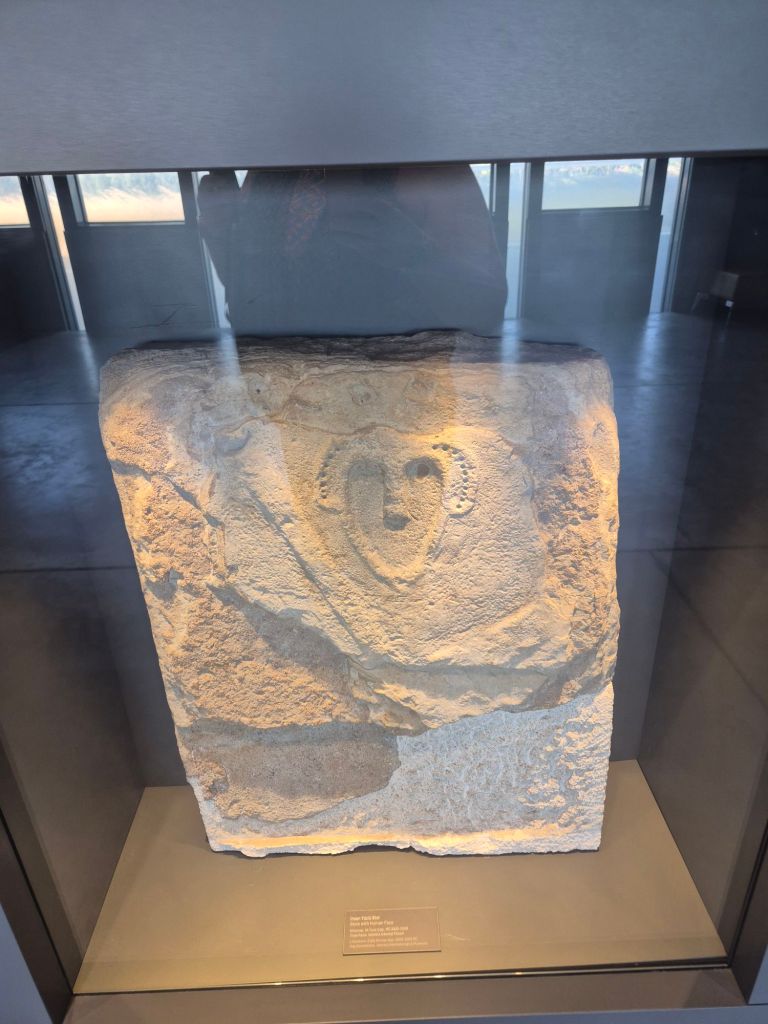
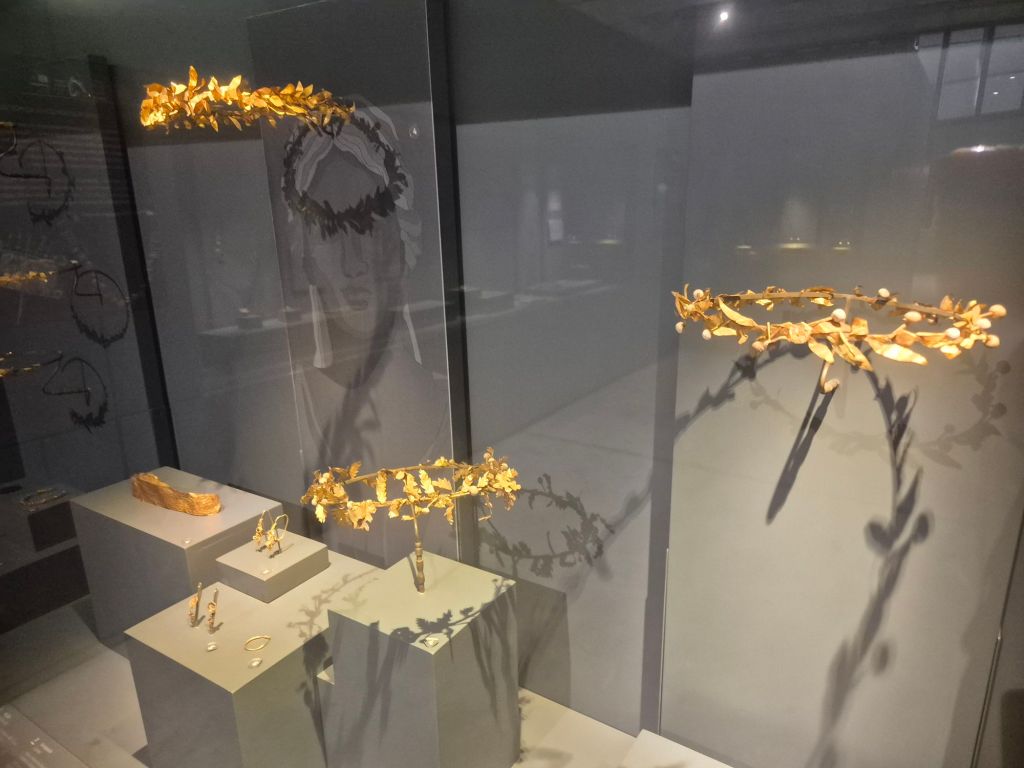
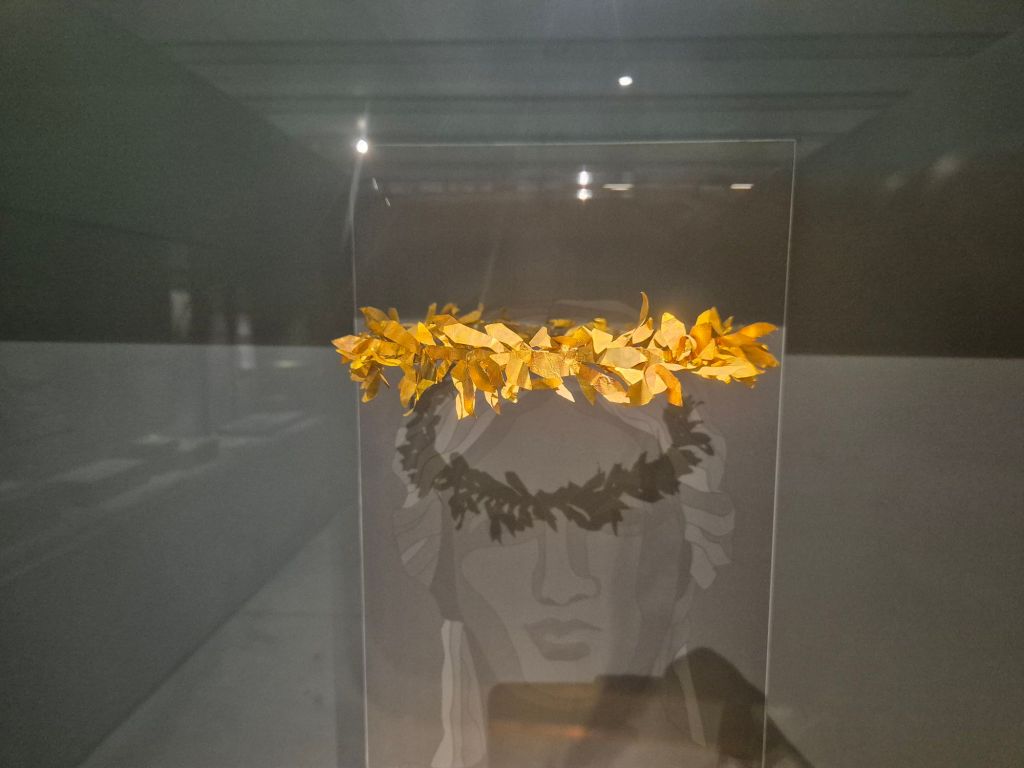
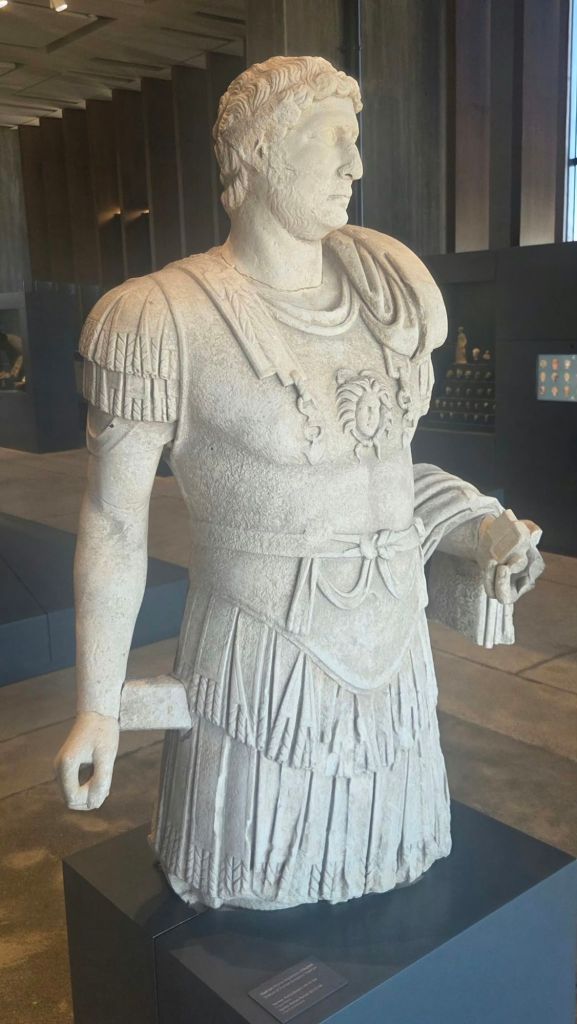
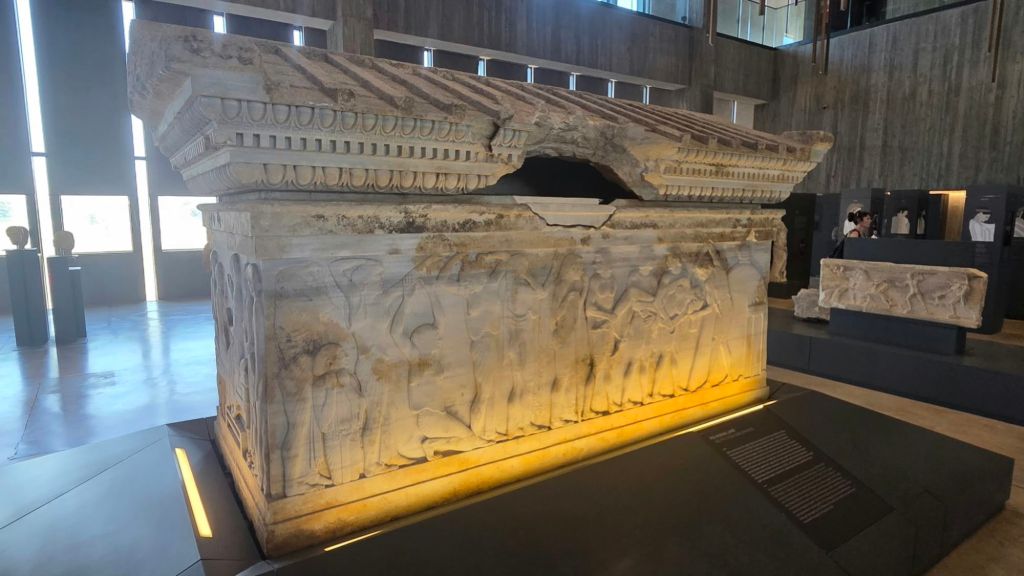
The Troy Museum near the main site had lots of interesting facts/figures and artefacts that have been unearthed during the many digs. Statues, pots/jars, glassware and jewellery.
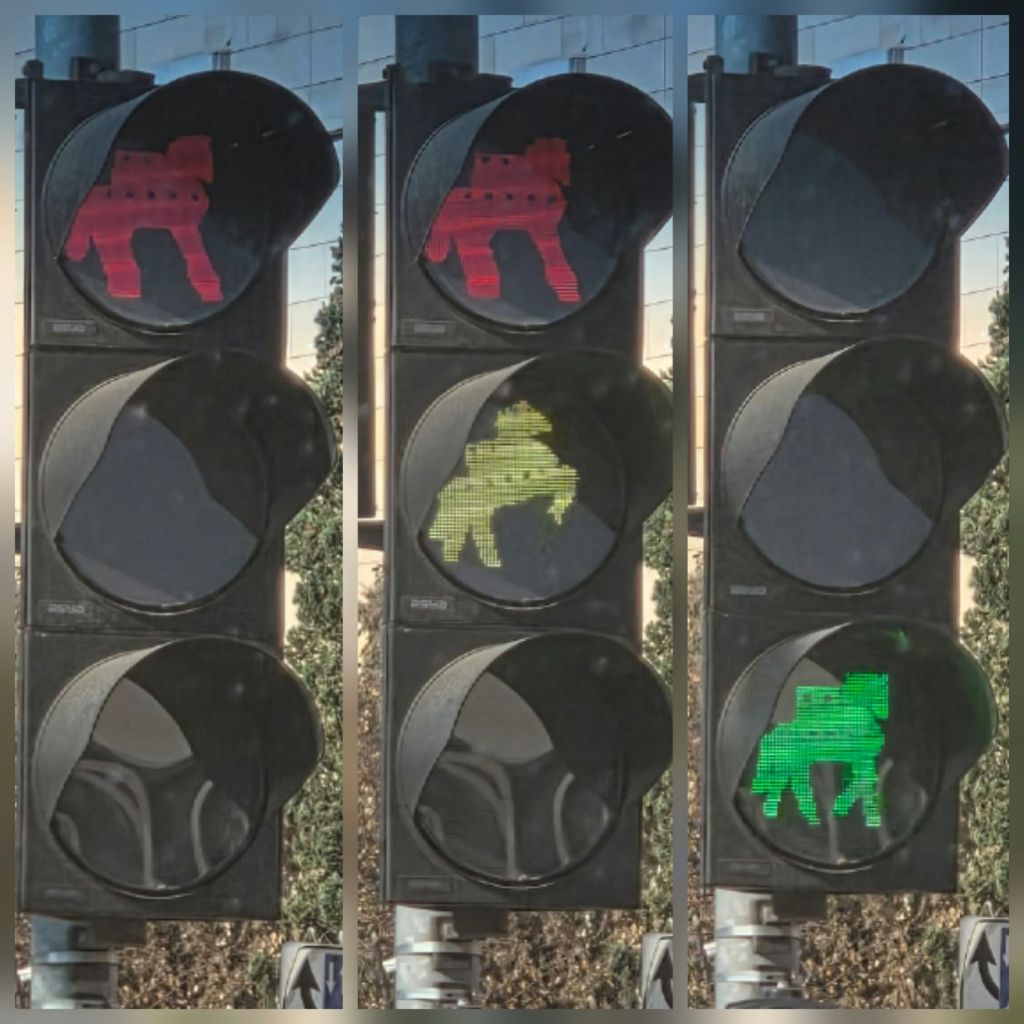
Driving to our hotel in Çanakkale, the nearest city, the traffic lights at some intersections are Trojan horses instead of regular lamps!
The Gallipoli Peninsula is just across the Dardanelles Strait and we’re going there tomorrow.



Leave a comment…